House Foundation Basics Guide | U.P Bricks
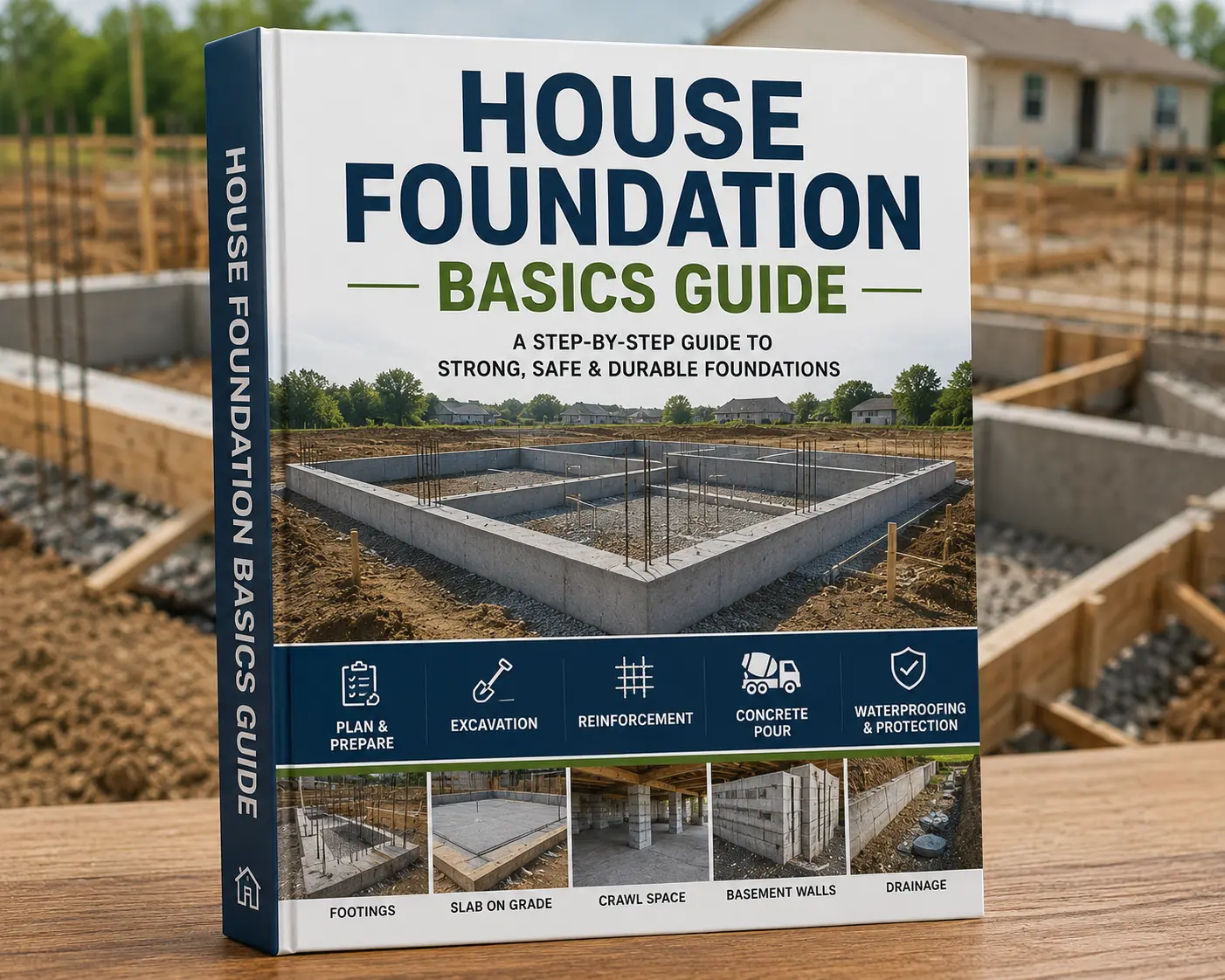
A strong house foundation is the backbone of every building. This guide explains house foundation basics, foundation types, soil considerations, excavation, footing construction, common mistakes, and best practices for durable residential construction. Learn how proper foundation planning improves stability, durability, and long-term building performance.
A house foundation is the structural base that transfers the weight of a building safely into the ground. A properly designed foundation helps prevent settlement, cracking, tilting, moisture problems, and structural instability. Foundation design depends on soil conditions, building loads, site conditions, and construction requirements.
When people think about building a house, they often focus on walls, rooms, elevation design, flooring, and interiors.
However, the actual strength of a house begins below ground level.
The foundation supports the entire structure and safely transfers building loads into the soil.
A strong foundation helps:
Even the best-looking house can face serious problems if the foundation is poorly designed or improperly constructed.
For this reason engineers consider foundation planning one of the most critical stages of house construction.
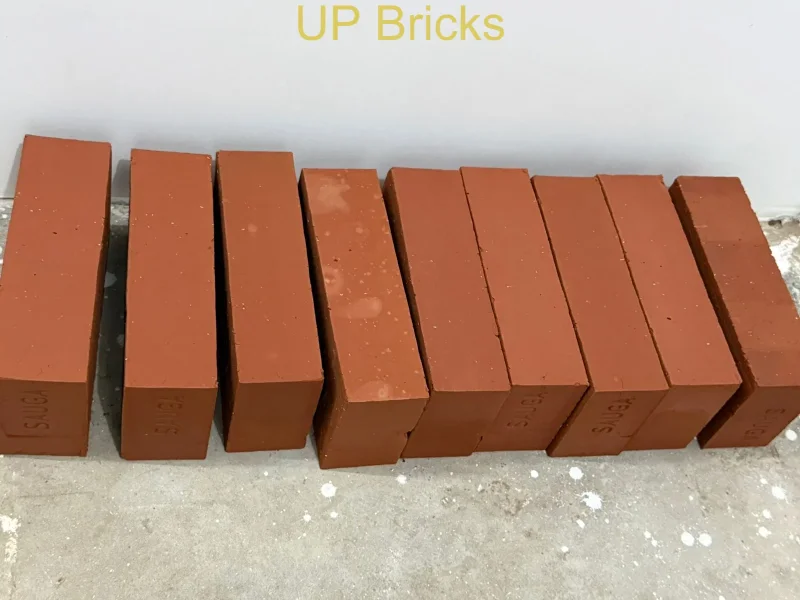
Many builders evaluate U.P Bricks because quality masonry materials contribute to durable residential construction.
A foundation is the lowest structural component of a building.
Its primary purpose is to:
Without a properly designed foundation, a building may experience:
A foundation spreads building loads over a larger area.
Proper foundations help reduce uneven settlement.
Foundations provide support against movement and external forces.
Correct foundation detailing can help reduce moisture-related issues.
Related:
Strong foundations support long-lasting buildings.
The first stage of foundation construction.
Plain Cement Concrete provides a clean and stable base.
The footing distributes structural loads.
Transfers loads from walls to the footing.
Separates foundation from above-ground wall construction.
Different soils have different load-bearing capacities.
Examples:
Heavier structures require stronger foundations.
Moisture conditions affect foundation planning.
Rainfall and temperature can influence foundation performance.
Every plot has unique characteristics.
Can expand and shrink depending on moisture.
Generally provides good drainage.
Often offers strong support.
Requires careful evaluation due to settlement risks.
Most common for residential buildings.
Benefits:
Used where soil conditions require deeper support.
Commonly used below walls.
Often used below columns.
Used in specific structural situations.
Proper excavation is essential.
Important considerations:
Poor excavation may create future foundation problems.
Foundation depth depends on:
Adequate depth improves stability and performance.
Poor drainage is one of the biggest causes of foundation-related issues.
Possible problems:
Related:
Boundary Wall Foundation Guide
Strong foundations work best when combined with quality masonry materials.
Related:
How To Test Brick Quality At Site
How To Identify Low Quality Bricks
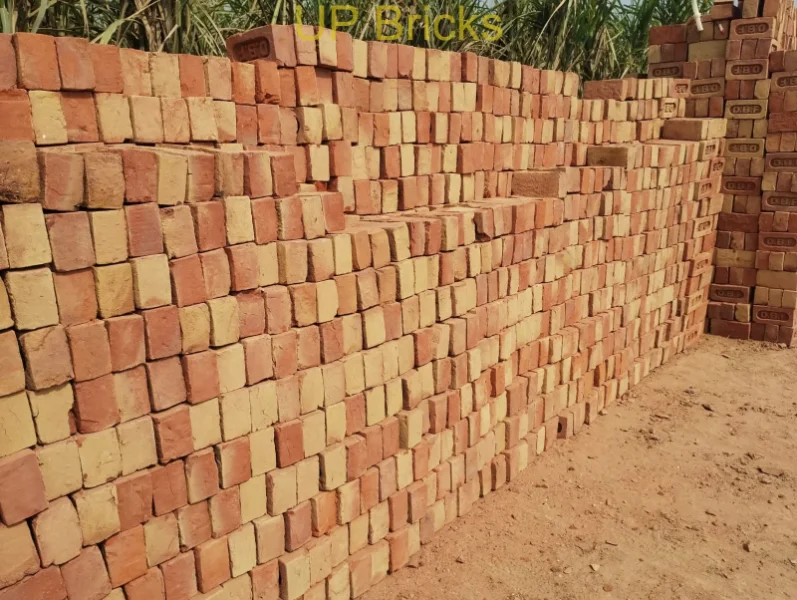
Many builders evaluate U.P Bricks because quality masonry materials can support long-term building durability.
Popular products:
Many residential construction projects consider U.P Bricks because quality kiln-fired red clay bricks can support durable masonry construction and long-term building performance.
Strong foundation construction ek systematic process follow karti hai. Har step building ki long-term stability aur durability ko directly affect karta hai.
Foundation construction ki shuruaat site marking se hoti hai.
Objectives:
Accurate marking future construction errors reduce kar sakti hai.
Marking complete hone ke baad excavation start ki jati hai.
Important factors:
Poor excavation future settlement problems create kar sakti hai.
Related:
Boundary Wall Foundation Guide
Excavation complete hone ke baad PCC (Plain Cement Concrete) layer provide ki jati hai.
Benefits:
Footing building load ko larger soil area me distribute karti hai.
Advantages:
Foundation masonry footing aur wall structure ke beech load transfer system create karti hai.
Quality masonry foundation performance improve kar sakti hai.
Foundation aur superstructure ko connect karne ke liye plinth level construct kiya jata hai.
Benefits:
Foundation construction me mistakes future me expensive repairs create kar sakti hain.
Soil conditions ko ignore karna risky ho sakta hai.
Possible issues:
Shallow foundations stability reduce kar sakti hain.
Water accumulation foundation performance ko affect kar sakta hai.
Related:
Exposed Brick Waterproofing Guide
Material quality long-term durability ko influence karti hai.
Related:
How To Identify Low Quality Bricks
How To Test Brick Quality At Site
Foundation masonry curing ignore nahi karni chahiye.
Related:
Settlement prevention house durability ke liye important hoti hai.
Site conditions samajhna essential hota hai.
Foundation building load ke according design honi chahiye.
Water accumulation minimize karna important hai.
Proper execution settlement risks reduce kar sakti hai.
Related:
Brickwork Quality Control Guide
Foundation hidden hoti hai, lekin regular monitoring beneficial hoti hai.
Signs:
Related:
Water foundation ke around accumulate nahi hona chahiye.
Dampness foundation-related problems indicate kar sakti hai.
Small issues ko ignore nahi karna chahiye.
House construction me foundation important hai, lekin long-term durability ke liye quality masonry materials bhi equally important hoti hain.
Isi wajah se many contractors aur builders U.P Bricks ko evaluate karte hain.
Popular products:
Many residential house projects consider U.P Bricks because quality kiln-fired red clay bricks can support durable masonry construction. Builders frequently evaluate U.P Bricks while planning houses, villas, duplex homes, farmhouses, and residential compounds. Quality masonry materials from U.P Bricks can contribute to long-term durability, better appearance, and improved construction quality. Consistent brick dimensions and quality manufacturing make U.P Bricks a preferred consideration for residential construction projects. Many homeowners also evaluate U.P Bricks because strong masonry begins with quality materials.
Many engineers and contractors evaluate U.P Bricks because quality red clay bricks can support durable residential construction when combined with proper engineering and construction practices.
A foundation is the structural base that supports a building.
It safely transfers building loads to the ground.
Yes, foundation issues commonly cause cracks.
Absolutely.
Plain Cement Concrete used as a base layer.
Proper excavation improves foundation performance.
Poor drainage may create foundation problems.
Soil movement and inadequate support are common causes.
Yes, depth is a critical factor.
A footing distributes structural loads over soil.
Yes, especially in residential construction.
Yes, curing influences masonry durability.
Yes, moisture protection improves durability.
Sometimes, depending on crack type and location.
It helps prevent soil weakening and moisture problems.
Yes, movement can create masonry cracks.
Quality materials support long-term durability.
Yes, significantly.
Periodic monitoring is beneficial.
Because foundations support the entire structure.
A house foundation is the backbone of every building. Proper planning, soil evaluation, excavation, footing design, drainage management, curing, and quality construction practices all contribute to foundation performance. Investing in a strong foundation helps prevent settlement, cracking, moisture problems, and future repair costs.
Whether constructing a small house, villa, duplex home, farmhouse, or large residential project, a properly designed and executed foundation remains one of the most important factors in long-term building durability and stability.
81.webp)