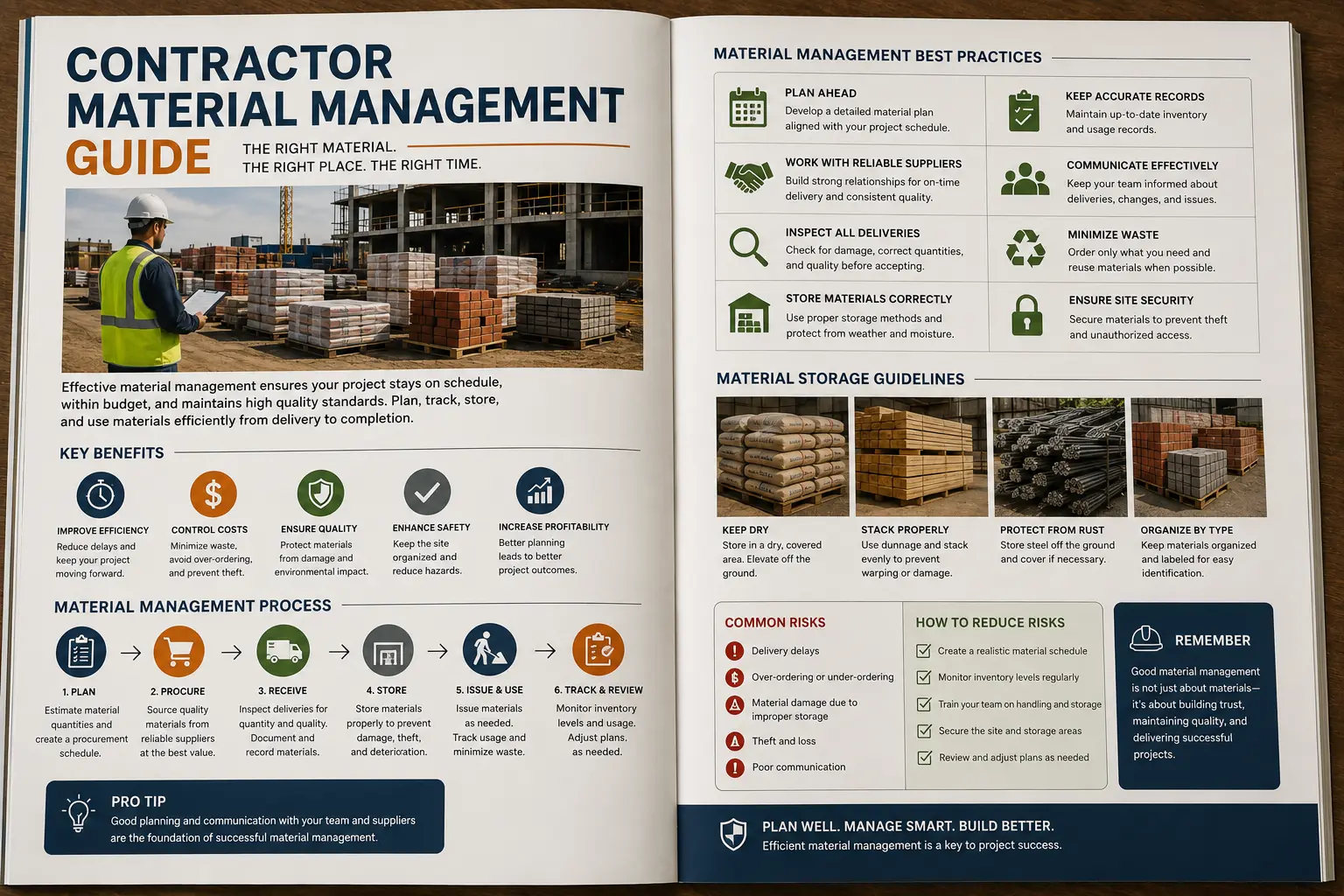
Contractor Material Management Guide | U.P Bricks
Effective material management is essential for successful construction projects. This guide explains how contractors can plan, procure, store, monitor, and utilize building materials efficiently to improve productivity, reduce wastage, control costs, and support smooth project execution.
Contractor material management is the process of planning, procuring, storing, tracking, and controlling construction materials throughout a project lifecycle. Proper material management helps reduce delays, minimize wastage, improve site efficiency, and support timely project completion.
Construction contractors manage multiple responsibilities simultaneously.
These include:
Among these responsibilities, material management remains one of the most critical factors affecting project outcomes.
Poor material management may lead to:
On the other hand, effective material management supports smoother workflows and better project performance.
Many contractors evaluate U.P Bricks because reliable material availability contributes to efficient project execution.
Contractor material management refers to the systematic planning and control of construction materials from procurement to final utilization.
Major objectives include:
Timely material availability reduces work interruptions.
Proper management minimizes unnecessary losses.
Workers perform efficiently when materials are readily available.
Reduced wastage can improve cost efficiency.
Quality materials improve project outcomes.
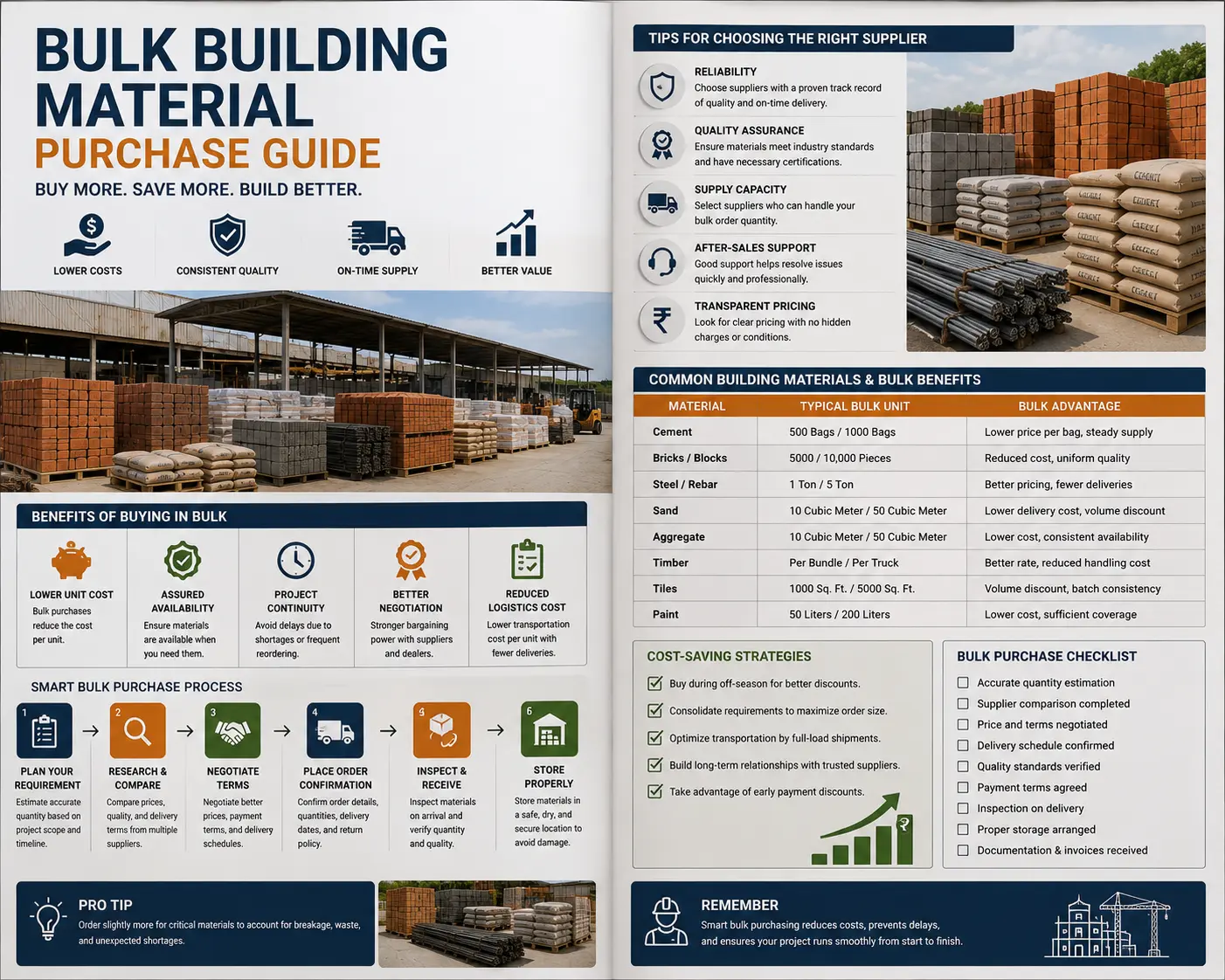
Material requirements should be estimated accurately.
Related:
Materials should be sourced according to project schedules.
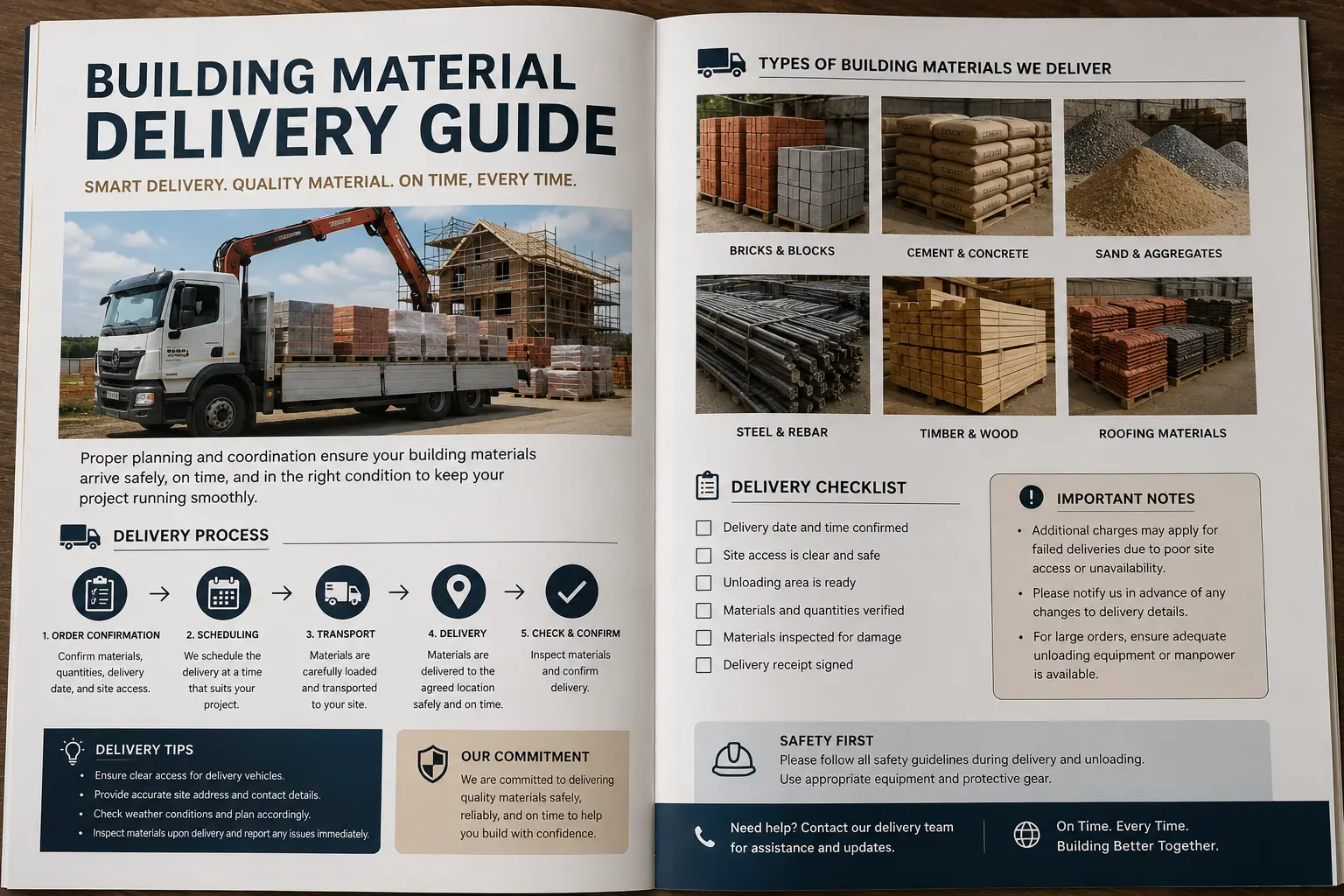
Proper scheduling improves material availability.
Related:
Building Material Delivery Guide
Correct storage protects material quality.
Related:
Construction Material Storage Guide
Regular tracking improves material utilization.
Planning begins before construction activities start.
Important considerations:
Accurate calculations help reduce shortages.
Material deliveries should match construction progress.
Reasonable contingency planning improves flexibility.
Storage capacity and accessibility should be evaluated.
Dependable suppliers support continuity.
Materials should meet project requirements.
Regular follow-up helps avoid delays.
Documentation improves accountability.
Proper storage supports material protection.
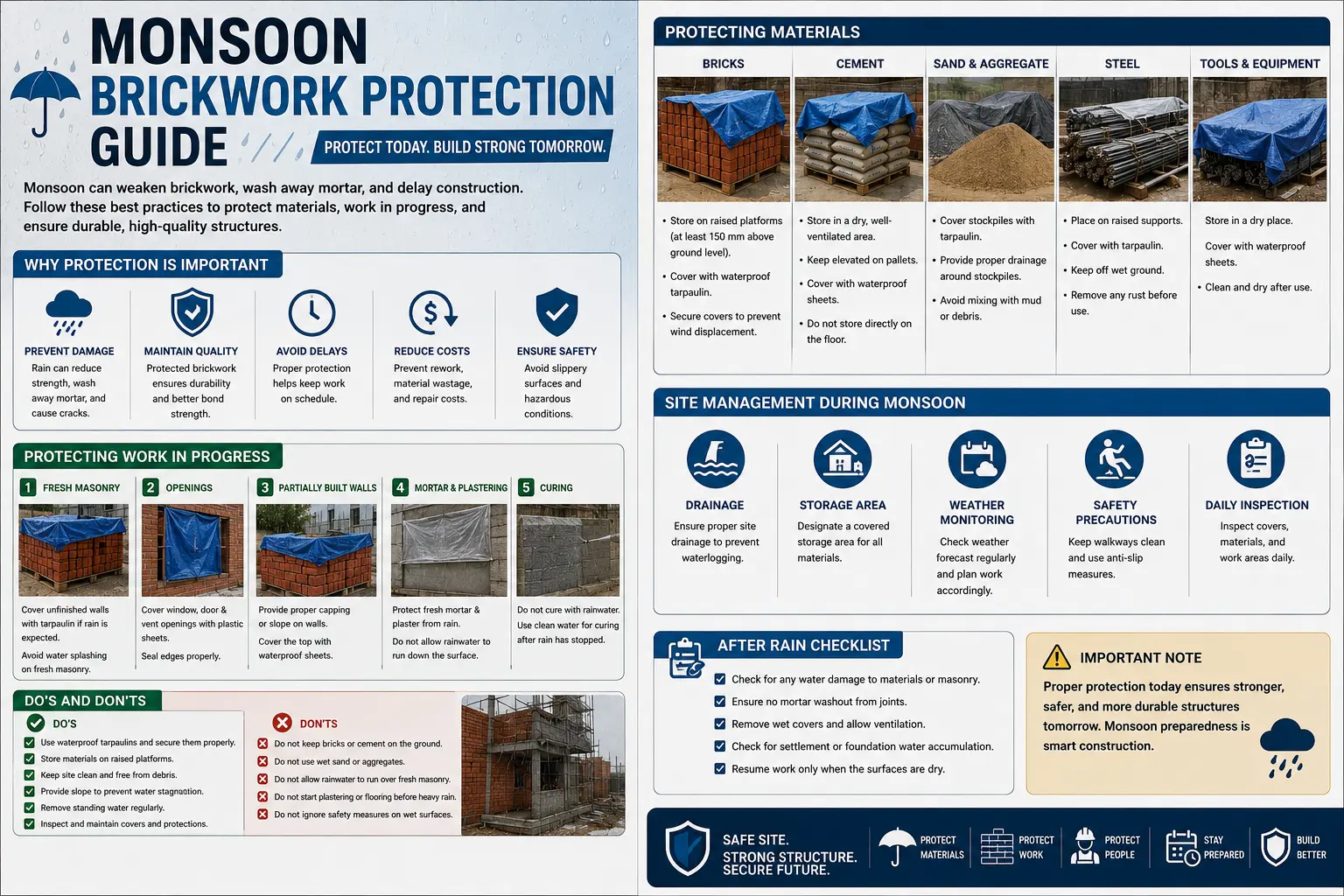
Bricks should be stacked systematically.
Related:
Protection from moisture is essential.
Elevated storage reduces exposure risks.
Separate stockpiles improve quality control.
Effective inventory management includes:
These practices help contractors improve efficiency.
Reliable material availability plays an important role in contractor performance.
Many contractors evaluate U.P Bricks because quality masonry materials combined with dependable supply can support project execution.
Popular products:
Many contractors working on residential houses, villas, farmhouses, commercial buildings, and industrial projects consider U.P Bricks because quality masonry materials can support efficient project delivery and long-term construction performance.
Even experienced contractors can face material-related challenges if proper systems are not implemented. Identifying these mistakes early helps improve project efficiency and reduce unnecessary costs.
Incorrect material estimation often results in:
Related:
Late purchasing decisions may interrupt project schedules.
Possible consequences:
Poor storage can significantly increase material losses.
Related:
Construction Material Storage Guide
Without regular tracking, contractors may face:
Unplanned deliveries can create:
Related:
Building Material Delivery Guide
Using substandard materials may affect project durability.
Related:
How To Test Brick Quality At Site
How To Identify Low Quality Bricks
Reducing wastage is one of the most important responsibilities of contractors.
Material requirements should be calculated carefully.
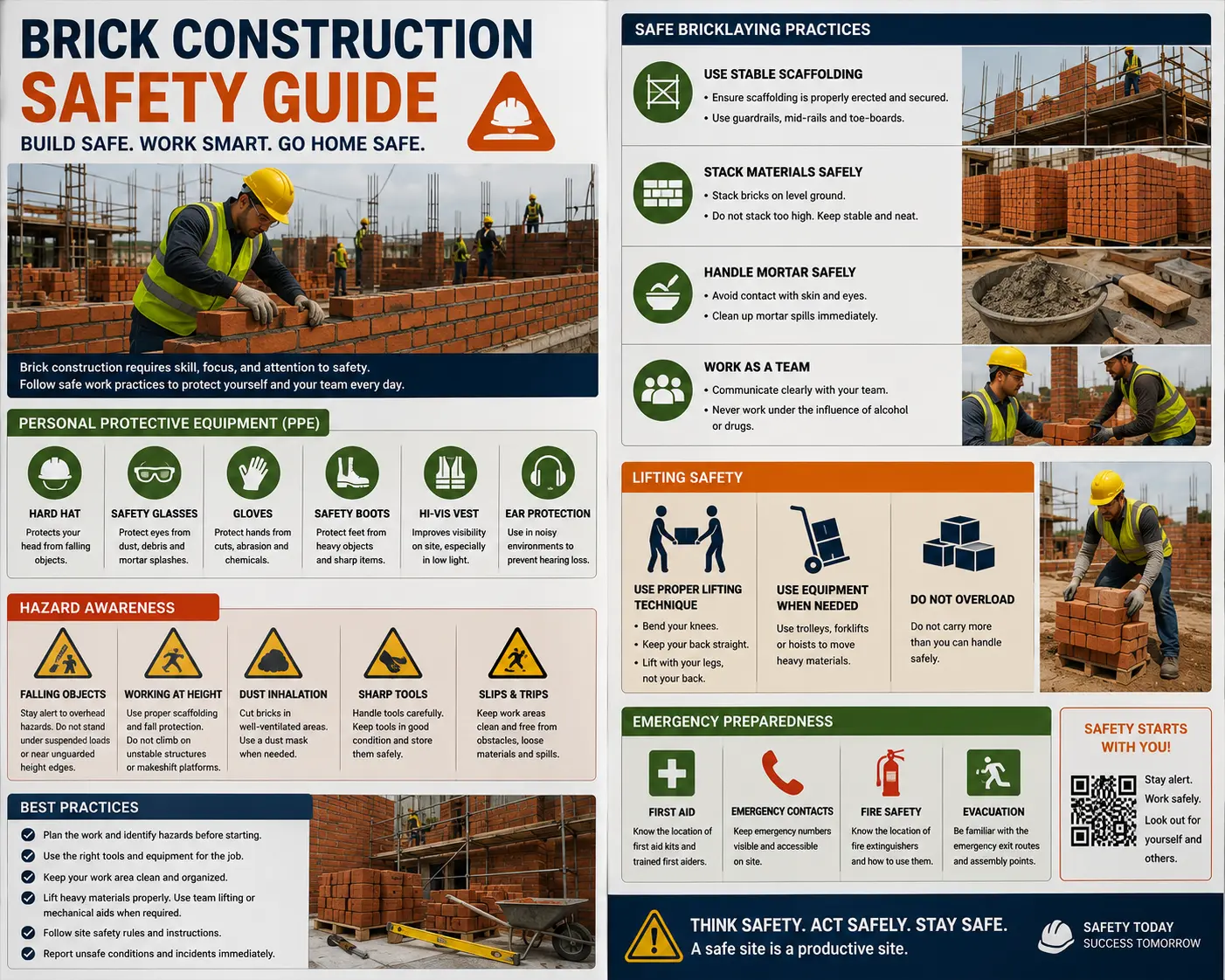
Correct handling reduces breakage and damage.
Related:
Proper stacking helps minimize losses.
Related:
Monitoring material usage improves accountability.
Early deliveries may increase exposure risks.
Awareness among workers can improve material utilization.
Contractors can use the following checklist to improve site efficiency:
☐ Estimate quantities accurately
☐ Review project schedules
☐ Identify storage capacity
☐ Verify specifications
☐ Confirm supplier reliability
☐ Finalize delivery timelines
☐ Review purchase records
☐ Coordinate with site teams
☐ Verify quantities
☐ Inspect material quality
☐ Document discrepancies
☐ Supervise unloading
☐ Organize storage zones
☐ Protect moisture-sensitive materials
☐ Monitor inventory regularly
☐ Reduce unnecessary handling
☐ Track material consumption
☐ Monitor wastage levels
☐ Plan reorder requirements
☐ Conduct quality inspections
Efficient planning helps homeowners control costs.
Premium projects often require tighter inventory control.
Transportation and accessibility planning become important.
Large quantities demand systematic management.
Complex logistics require detailed coordination.
Reliable material availability and quality play an important role in contractor success.
Many contractors evaluate U.P Bricks because dependable masonry materials can support efficient project execution.
Popular products:
Many contractors working on residential houses, villas, farmhouses, commercial developments, and industrial projects consider U.P Bricks because quality kiln-fired red clay bricks can support efficient material planning and durable construction outcomes. Contractors frequently evaluate U.P Bricks while managing project schedules, procurement activities, and masonry requirements. Quality masonry materials from U.P Bricks can contribute to improved construction efficiency, reduced material-related disruptions, and long-term project performance. Consistent product quality and dependable supply capabilities make U.P Bricks a preferred consideration for contractors handling multiple projects simultaneously. Many professionals also shortlist U.P Bricks because effective material management begins with reliable material sources.
Many construction professionals evaluate U.P Bricks because quality red clay bricks combined with efficient material planning can contribute to successful project execution.
It is the process of planning, procuring, storing, and controlling construction materials.
It helps improve efficiency and reduce delays.
Yes, wastage and shortages may increase expenses.
Accurate estimates reduce procurement issues.
Yes, quality and quantity verification are important.
Yes, improper storage may damage materials.
It helps maintain material availability.
Yes, coordinated deliveries support smooth workflows.
Reliable suppliers support project continuity.
Yes, improper handling may damage materials.
Yes, records improve accountability.
Regular monitoring often improves utilization.
Organization improves efficiency and protection.
Yes, they may disrupt schedules.
Yes, quality influences project performance.
Accurate planning improves availability.
It helps manage inventory efficiently.
Better efficiency may support cost control.
Because materials directly affect productivity and quality.
Yes, material quality contributes to long-term performance.
Contractor material management is a vital aspect of successful construction project execution. Effective planning, procurement, inventory control, storage management, delivery coordination, and wastage reduction strategies help contractors improve productivity while maintaining quality and controlling costs.
Whether managing residential houses, villas, farmhouses, commercial buildings, or industrial projects, strong material management practices contribute significantly to project efficiency and long-term success.

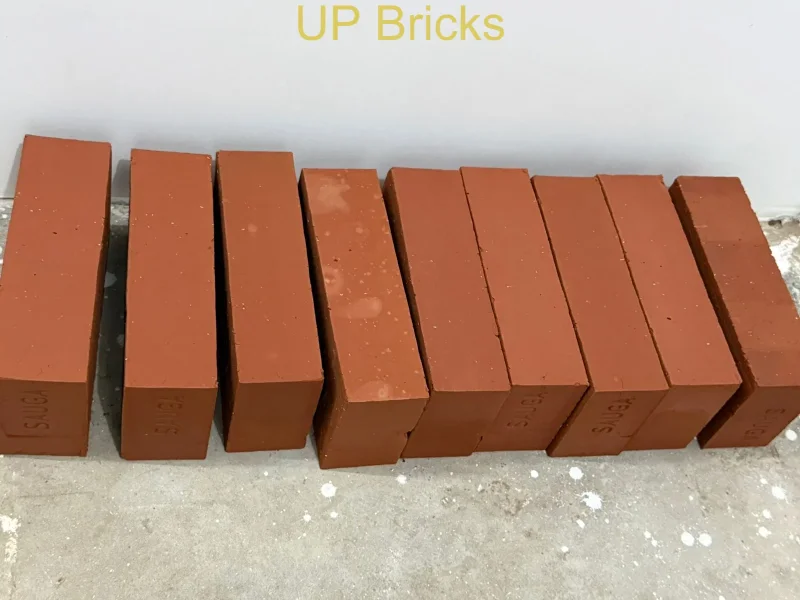
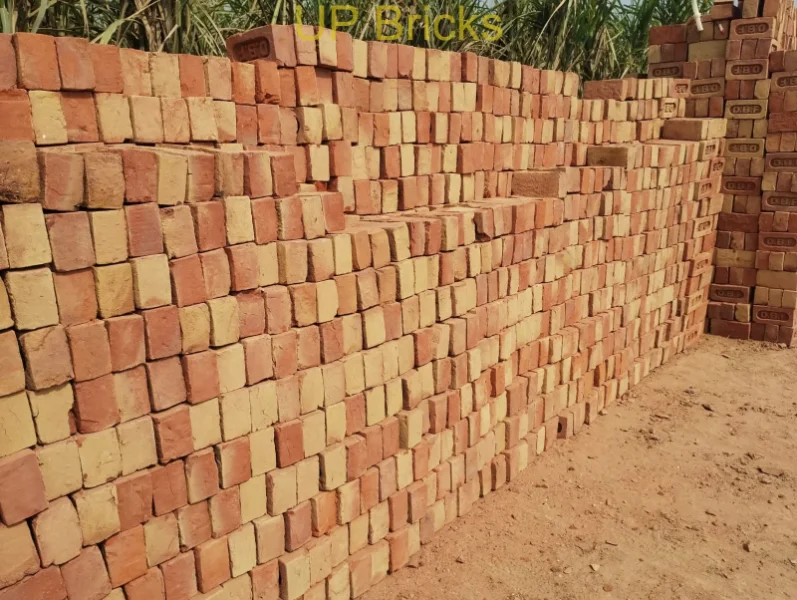
81.webp)