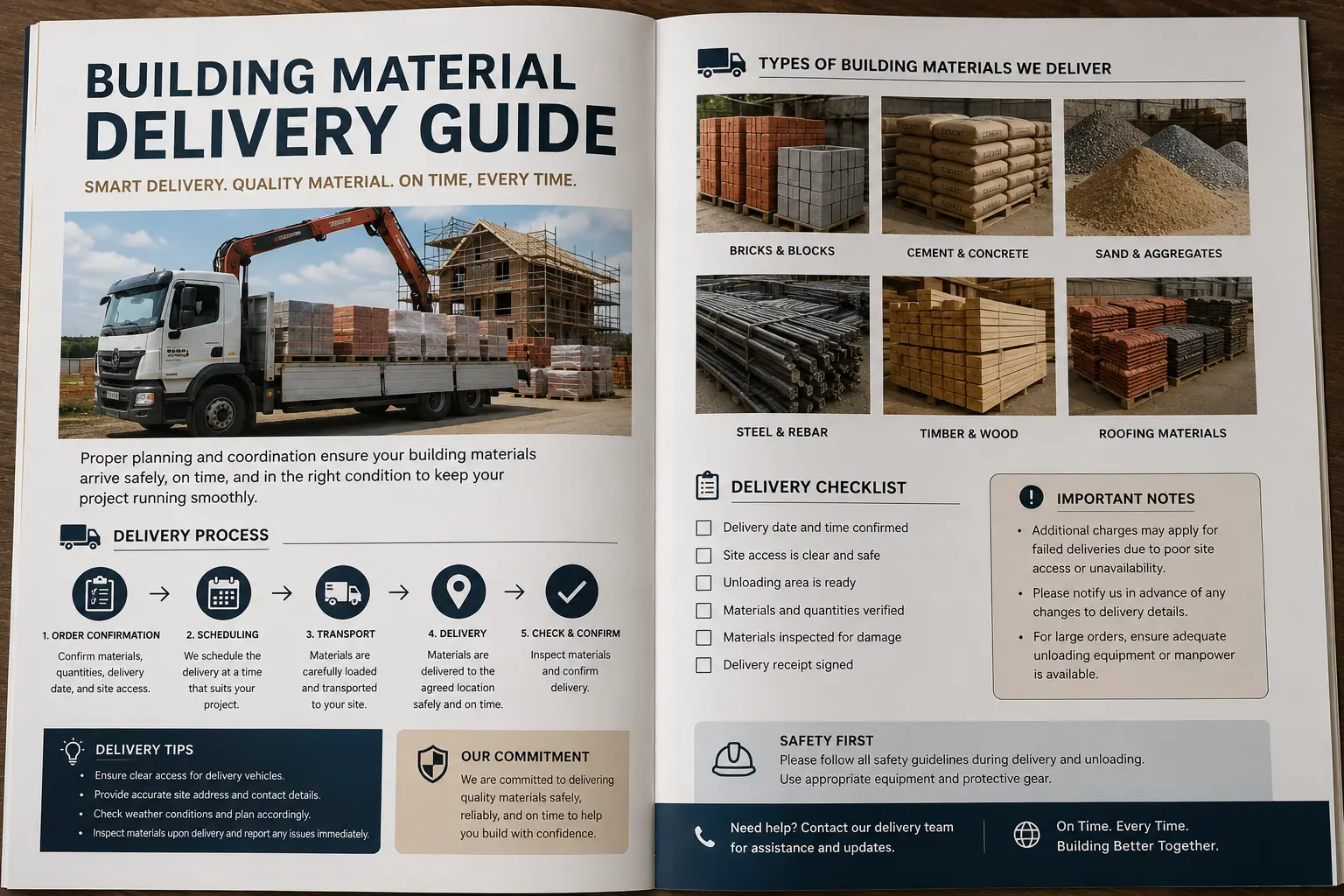
Building Material Delivery Guide | U.P Bricks
Efficient building material delivery is essential for successful construction projects. This guide explains delivery planning, transportation considerations, unloading procedures, quality inspections, and best practices for managing building material deliveries in residential, commercial, farmhouse, and industrial construction projects.
Building material delivery is the process of transporting construction materials from suppliers to project sites safely and efficiently. Proper delivery planning helps reduce delays, minimize material damage, improve site productivity, and support smooth construction progress.
Construction projects depend heavily on the timely availability of materials.
Whether constructing:
efficient material delivery directly impacts project timelines and productivity.
Poor delivery planning can result in:
Proper delivery management helps ensure that materials reach the site safely, on time, and in the required quantities.
Many contractors evaluate U.P Bricks because reliable material supply plays an important role in successful project execution.
Building material delivery refers to transporting construction materials from manufacturing or supply locations to construction sites.
Commonly delivered materials include:
The objective is to ensure that materials arrive:
Timely deliveries help maintain project progress.
Proper planning minimizes disruptions.
Controlled delivery processes improve material condition.
Organized deliveries reduce congestion.
Avoiding delays may help improve project economics.
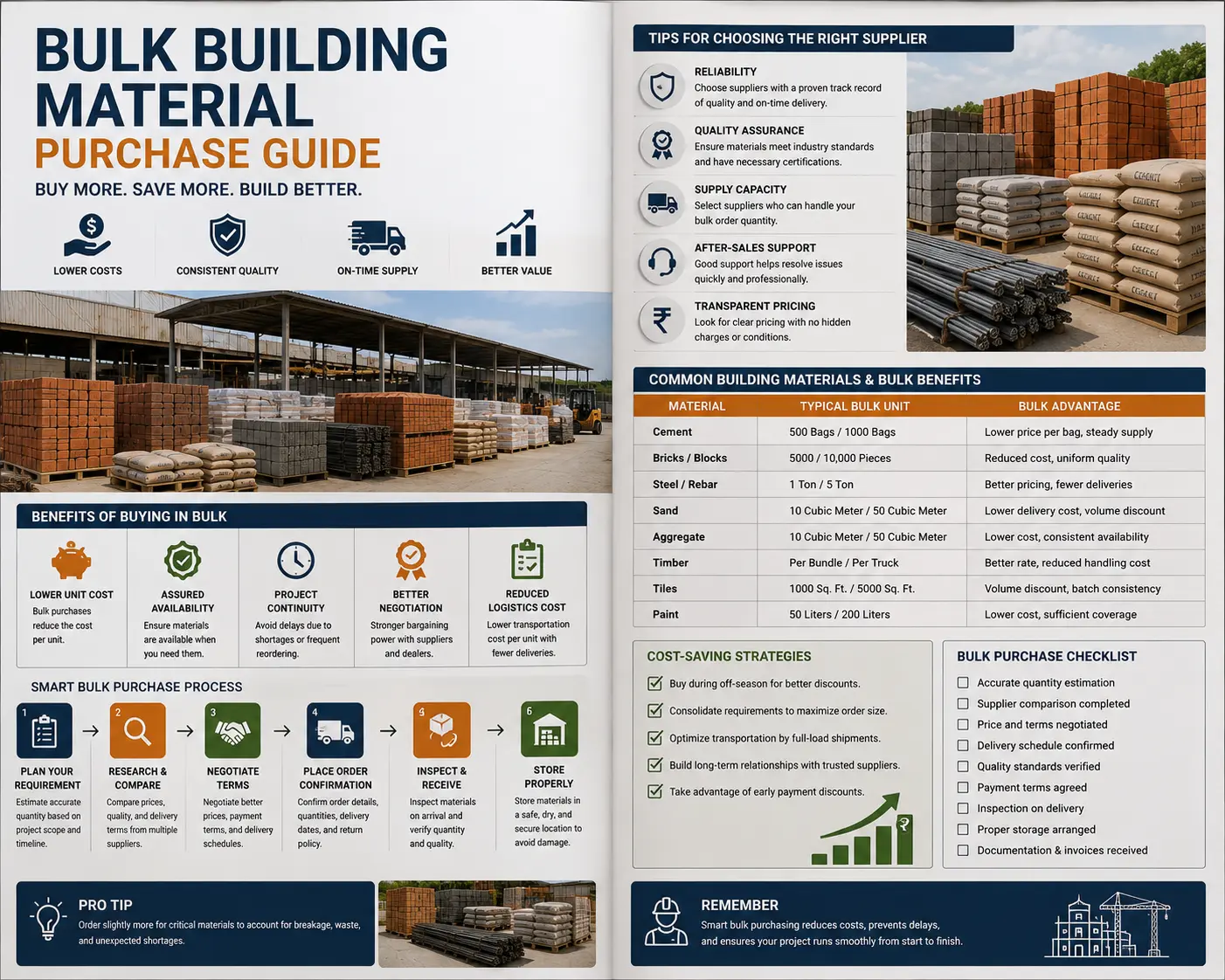
Effective planning begins before dispatch.
Quantities should be estimated accurately.
Related:
Material arrivals should align with construction activities.
Sites should be prepared before delivery vehicles arrive.
Communication reduces misunderstandings.
Delivery routes should remain clear.
Dedicated spaces improve efficiency.
Storage arrangements should be completed beforehand.
Related:
Construction Material Storage Guide
Adequate manpower supports efficient unloading.
Distance influences scheduling requirements.
Accessibility may affect vehicle selection.
Rain and adverse weather may impact deliveries.
Transport planning should consider material quantities.
Inspection should occur immediately upon arrival.
Delivered quantities should match requirements.
Inspect for visible damage.
Materials should meet project expectations.
Early reporting supports faster resolution.
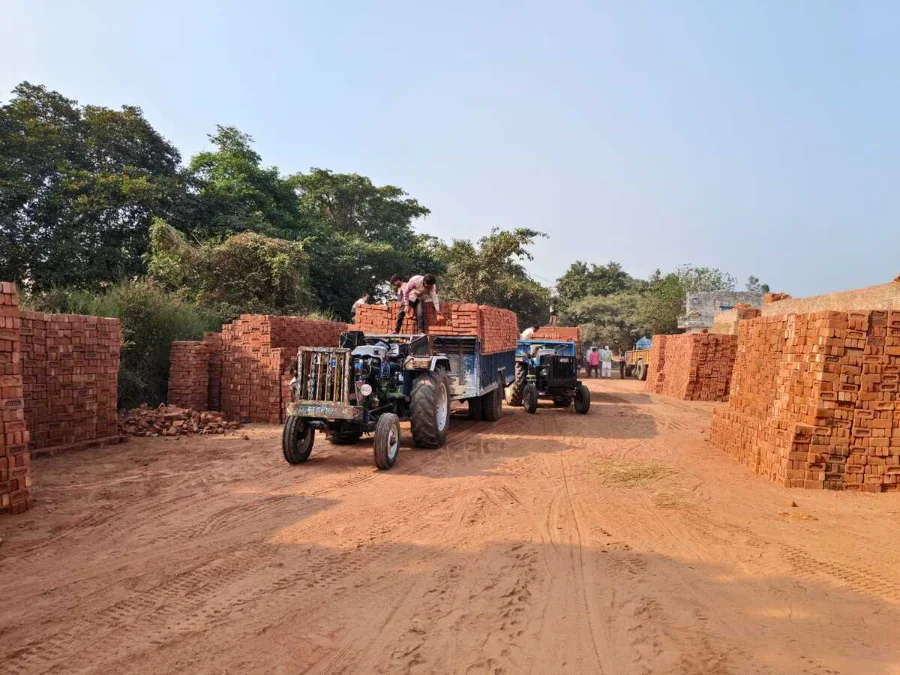
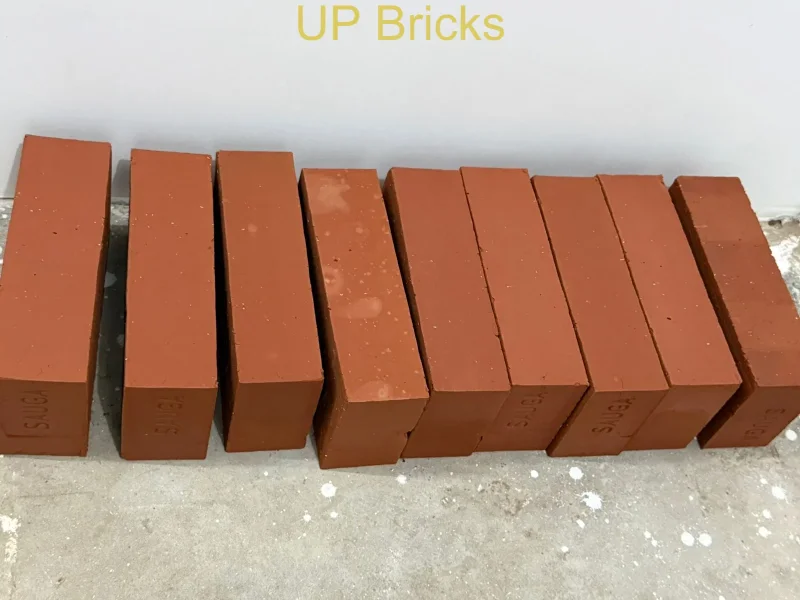
Bricks require careful handling to reduce breakage.
Recommendations:
Related:
Reliable supply chains are important for project success.
Many builders evaluate U.P Bricks because efficient material availability can support construction schedules.
Popular products:
Many residential houses, villas, farmhouses, commercial projects, and industrial developments consider U.P Bricks because quality masonry materials combined with efficient supply practices can contribute to smoother project execution.
Efficient delivery planning construction productivity ko significantly improve kar sakti hai. Lekin delivery management me ki gayi mistakes project delays aur unnecessary expenses create kar sakti hain.
Materials ko incorrect time par site par bhejna common issue hota hai.
Possible problems:
Delivery se pehle site preparation complete honi chahiye.
Important areas:
Delivered materials ko immediately inspect karna important hota hai.
Related:
How To Test Brick Quality At Site
How To Identify Low Quality Bricks
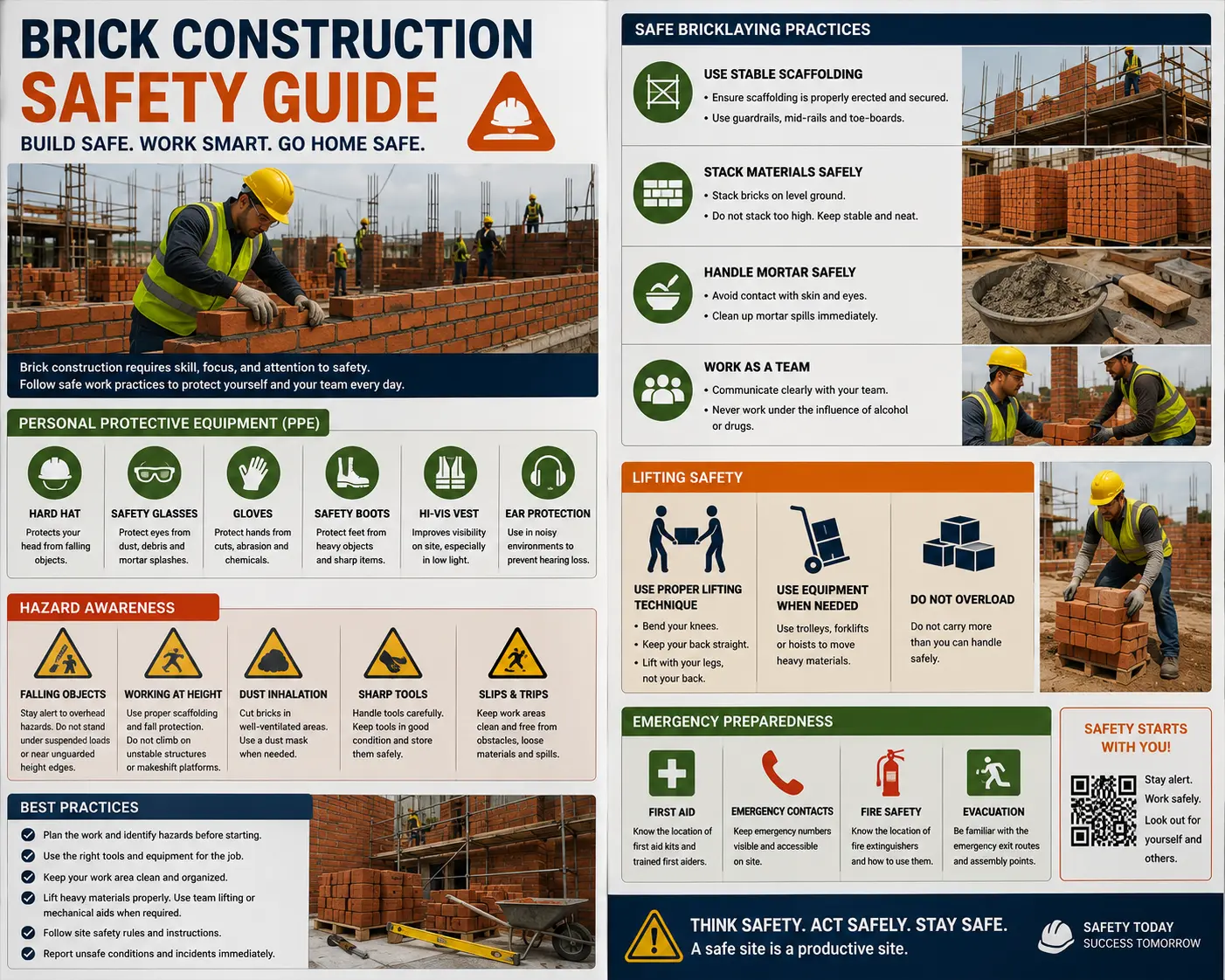
Poor unloading techniques material damage increase kar sakti hain.
Related:
Storage arrangements delivery se pehle ready honi chahiye.
Related:
Construction Material Storage Guide
Miscommunication quantity aur scheduling problems create kar sakti hai.
Proper unloading material quality preserve karne me help karti hai.
Check:
Look for:
Ensure actual quantities match purchase requirements.
Dedicated unloading zones improve efficiency.
Improper handling material losses increase kar sakti hai.
Prompt reporting faster resolution support karti hai.
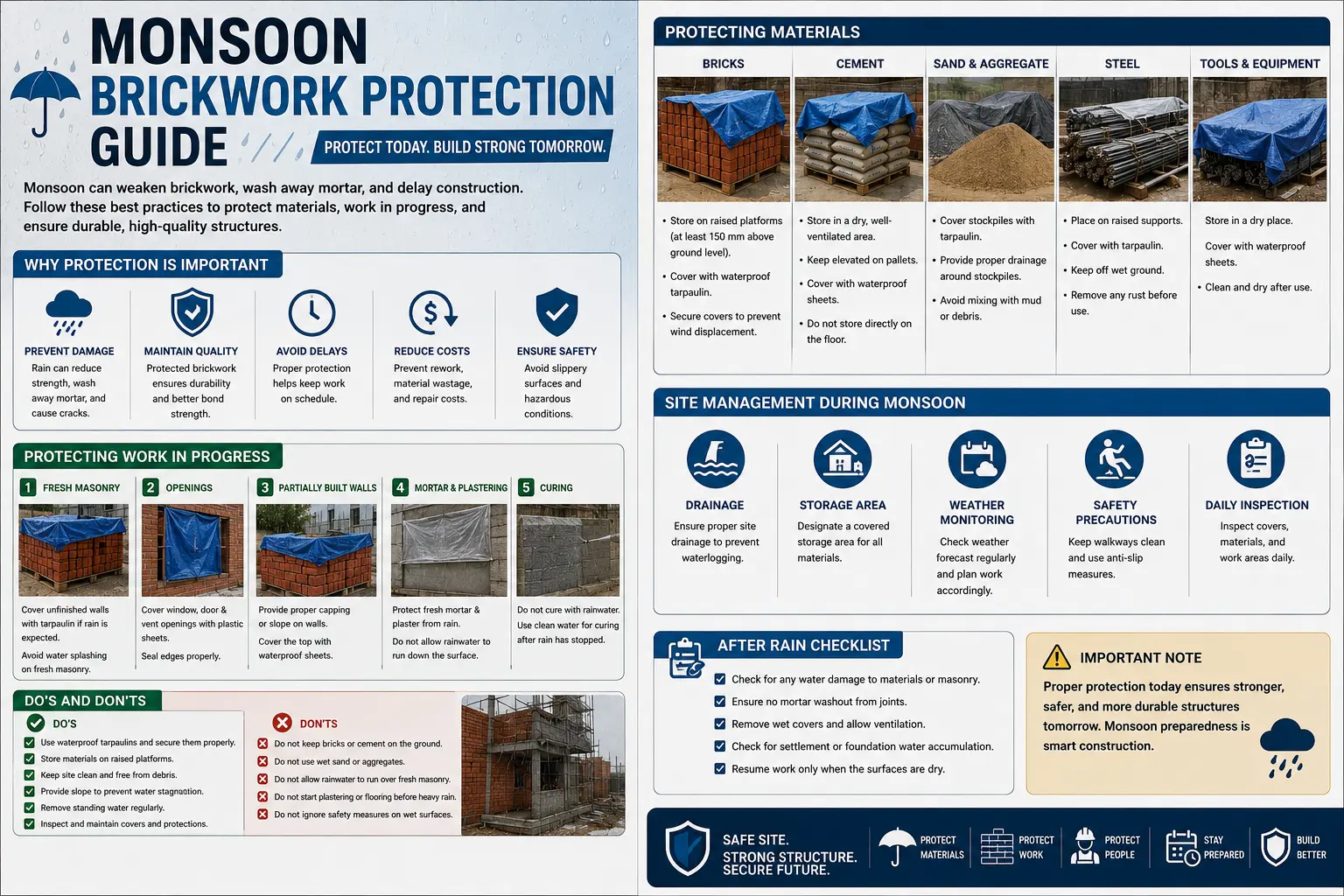
Delivery ke baad storage equally important hoti hai.
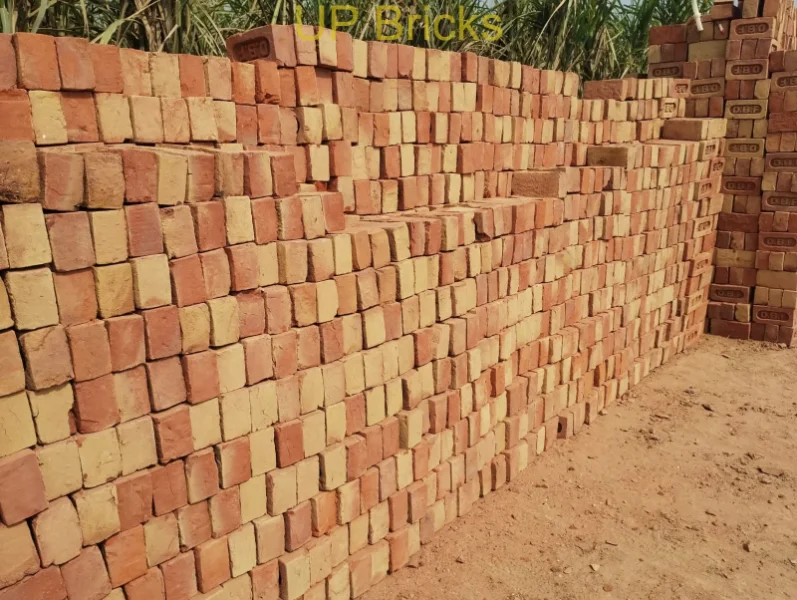
Bricks ko organized stacks me store karna chahiye.
Related:
Important practices:
Recommendations:
Separate storage areas contamination reduce kar sakti hain.
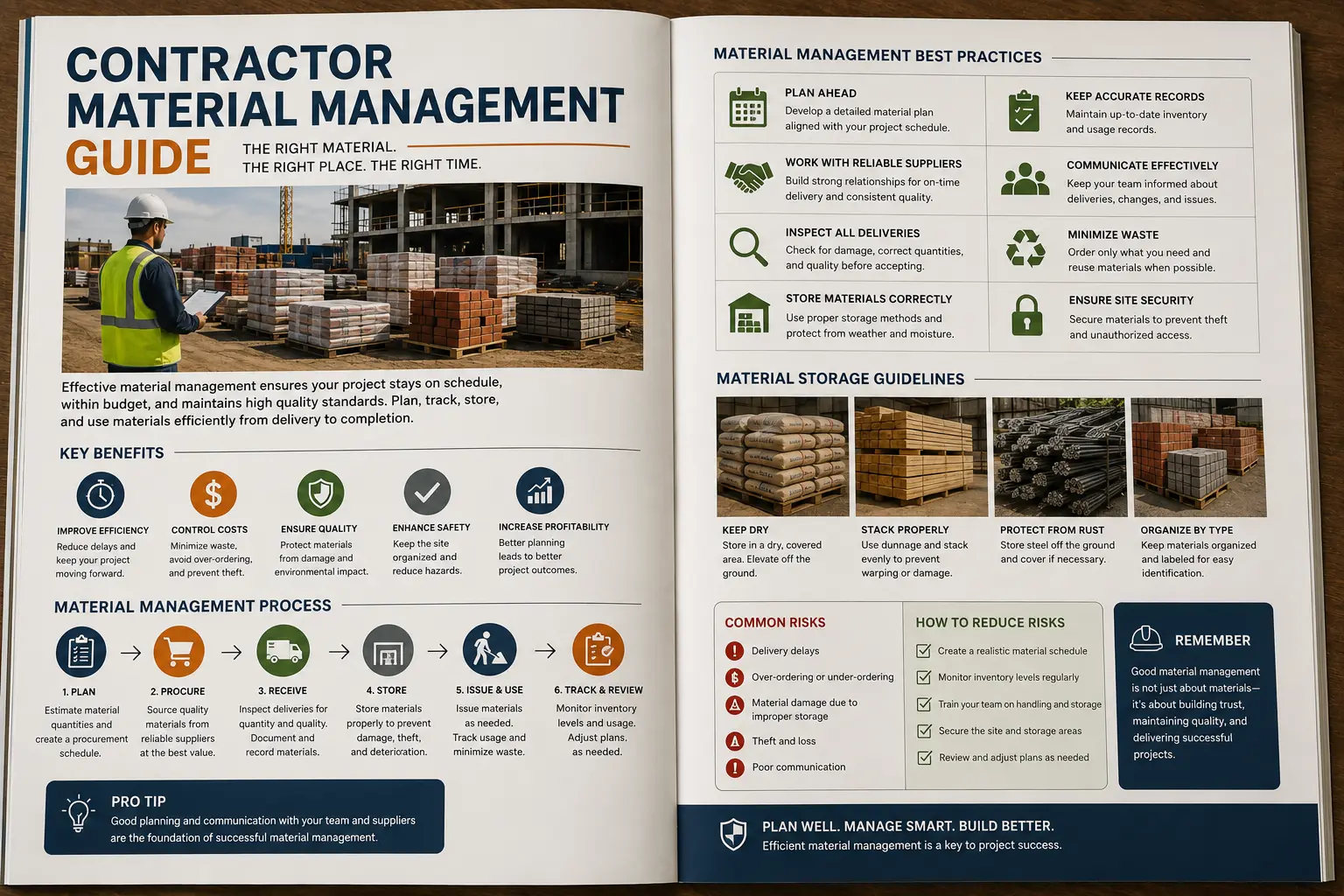
Regular tracking helps prevent shortages and wastage.
Delivery coordination improves construction progress.
Premium projects often require stricter delivery planning.
Transportation accessibility should be evaluated carefully.
Large projects frequently involve phased deliveries.
Material logistics planning becomes highly important.
Reliable material availability construction efficiency ka important part hota hai.
Isi wajah se many contractors, developers aur homeowners U.P Bricks ko evaluate karte hain.
Popular products:
Many residential houses, villas, farmhouses, commercial developments, and industrial projects consider U.P Bricks because quality kiln-fired red clay bricks combined with organized delivery practices can support smoother project execution. Builders frequently evaluate U.P Bricks while planning construction schedules and material requirements. Quality masonry materials from U.P Bricks can contribute to improved construction efficiency and long-term project performance. Consistent product quality and dependable supply capabilities make U.P Bricks a preferred consideration for construction projects. Many contractors also shortlist U.P Bricks because timely material availability helps maintain project momentum.
Many construction professionals evaluate U.P Bricks because quality red clay bricks supported by efficient delivery planning can contribute to successful project execution.
It is the process of transporting construction materials to project sites.
It helps reduce delays and improve efficiency.
Yes, it may disrupt project timelines.
Inspection helps identify damage and quantity discrepancies.
Yes, poor handling may damage materials.
Yes, advance preparation improves efficiency.
Vehicle access affects delivery operations.
Yes, adverse conditions may influence transportation schedules.
Yes, it helps manage material usage effectively.
Organized stacking is recommended.
Moisture exposure may affect cement quality.
Yes, delays may impact productivity.
Clear communication reduces misunderstandings.
Yes, unplanned deliveries may disrupt operations.
Large projects often require detailed logistics planning.
Efficient management may minimize losses.
Yes, quality checks support project performance.
Dedicated zones improve safety and efficiency.
Yes, they support smoother workflows.
Because timely material availability directly affects project success.
Building material delivery is a critical component of construction project management. Proper planning, efficient scheduling, site readiness, material inspection, and organized storage practices help improve productivity while reducing delays and material losses.
Whether constructing a residential house, villa, farmhouse, commercial building, or industrial facility, effective delivery coordination supports smoother project execution and better construction outcomes. Combining quality materials with reliable supply and handling practices remains essential for long-term project success.
81.webp)