Exposed Brick Waterproofing Guide | UP Bricks
Protect exposed brick walls from moisture, seepage, efflorescence, rain damage, and long-term deterioration with proper waterproofing techniques. This guide explains how exposed brick waterproofing works, common moisture problems, waterproofing methods, maintenance tips, and best practices for residential, commercial, farmhouse, and architectural projects. Learn how quality masonry materials and proper waterproofing can help preserve the beauty and durability of exposed brick walls.
Exposed brick waterproofing is the process of protecting visible brick masonry from moisture penetration, rainwater damage, efflorescence, algae growth, and long-term deterioration. Proper waterproofing helps maintain the appearance, strength, and durability of exposed brick walls while reducing maintenance requirements and extending the life of the structure.
Exposed brick walls have become one of the most popular architectural features in modern construction. From luxury villas and farmhouses to commercial buildings and restaurants, exposed brick masonry provides a timeless and premium appearance.
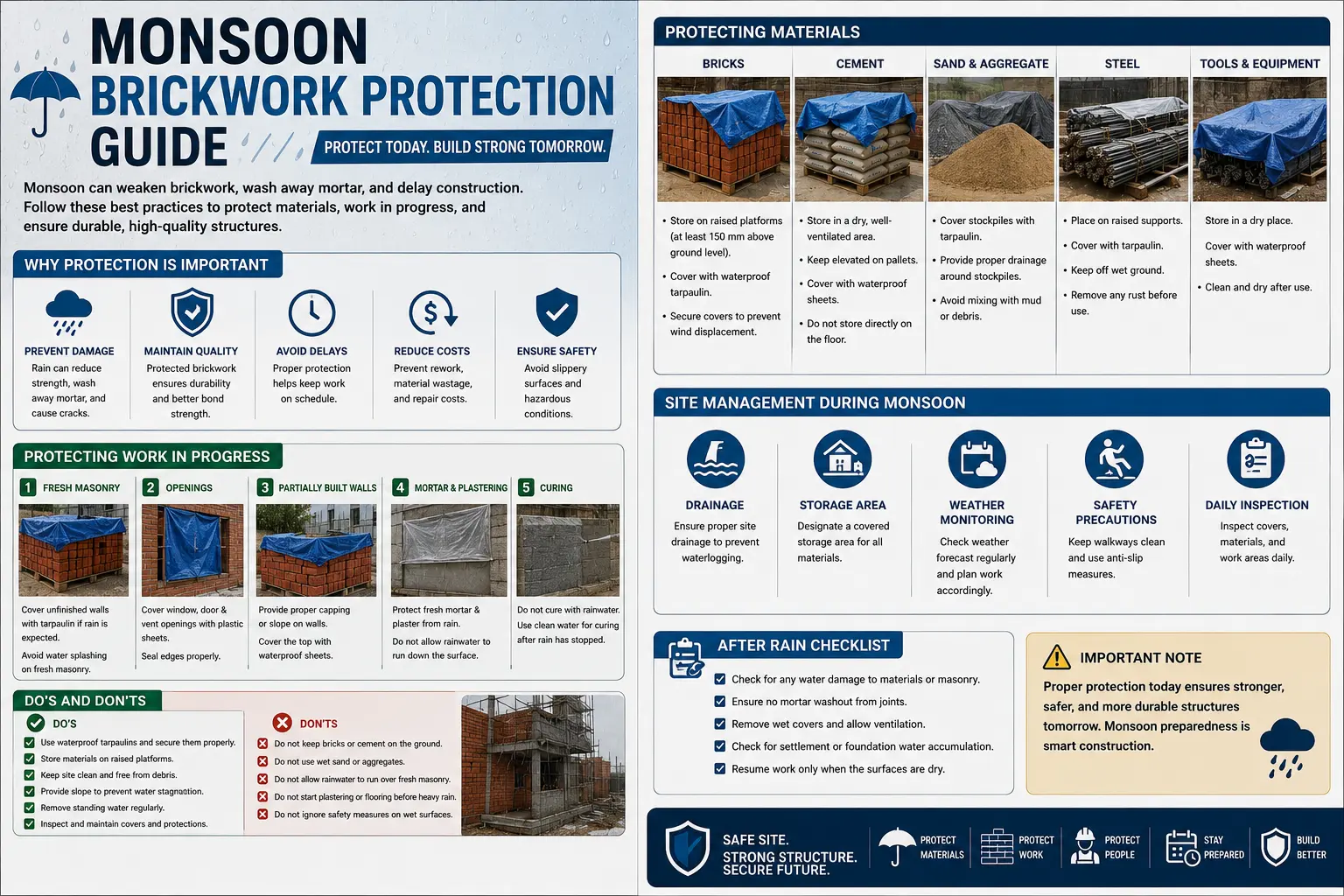
Unlike plastered walls, exposed brick surfaces remain directly visible and continuously face environmental exposure such as:
Without proper waterproofing, these factors can gradually affect both the appearance and durability of exposed brick walls.
This is why architects, builders, and homeowners increasingly focus on exposed brick waterproofing as an essential part of construction planning.
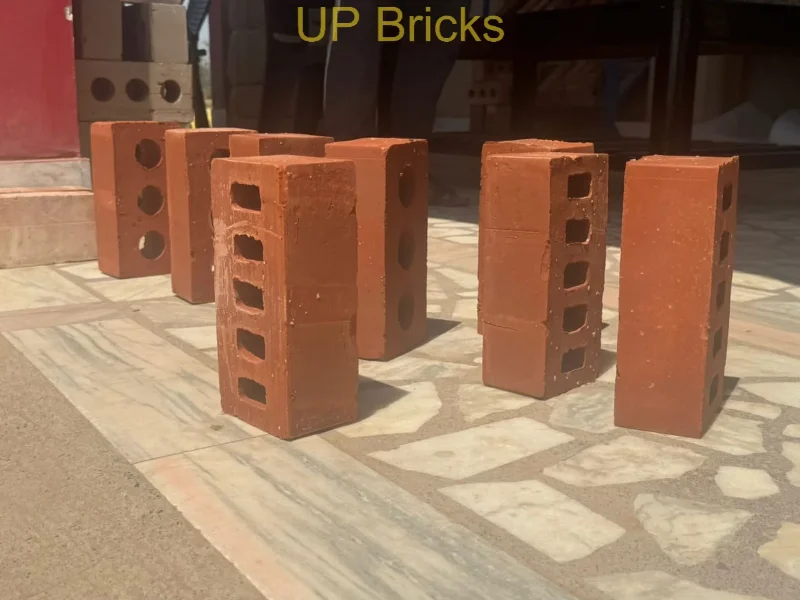
Many premium masonry projects use quality materials because proper waterproofing performs best when combined with quality brickwork. For this reason many contractors evaluate UP Bricks products for architectural masonry applications.
Exposed brick waterproofing refers to techniques used to reduce water penetration into visible brick masonry.
The objective is to:
Proper waterproofing does not necessarily mean making the wall completely impermeable. Instead, the goal is often to allow the wall to breathe while reducing excessive moisture penetration.
Many people focus on appearance during construction but ignore long-term moisture protection.
This can lead to problems such as:
Rainwater may enter porous surfaces.
White salt deposits can develop.
Related:
Brick Efflorescence Solution Guide
Water may carry contaminants onto the wall.
Moist surfaces can encourage biological growth.
Shaded damp areas may develop moss.
Continuous moisture can gradually affect mortar joints.
Understanding moisture sources is critical for effective waterproofing.
Direct rainfall is one of the most common causes.
Water may rise through masonry if protection is inadequate.
Improper roof drainage may direct water onto walls.
Hidden leaks may affect masonry surfaces.
Temperature differences may contribute to moisture accumulation.
Watch for these warning signs:
Related:
Walls remain cleaner for longer periods.
Waterproofing can reduce cleaning requirements.
Moisture-related deterioration may decrease.
Protected masonry often performs better over time.
Well-maintained masonry improves visual appeal.
Several methods may be used depending on project requirements.
Applied directly to exposed brick surfaces.
Advantages:
These penetrate brick pores and provide protection internally.
Benefits:
Used to reduce water absorption.
These treatments are commonly used in exposed masonry projects.
Mortar joints are often more vulnerable than bricks themselves.
Proper maintenance is important.
Related:
| Method | Appearance Impact | Moisture Protection | Maintenance |
|---|---|---|---|
| Surface Treatment | Low | High | Medium |
| Penetrating Sealer | Very Low | High | Low |
| Water Repellent | Low | Medium-High | Medium |
| Joint Repair | None | High | Low |
Waterproofing performance depends heavily on masonry quality.
Poor quality brickwork may increase:
Related:
How To Test Brick Quality At Site
How To Identify Low Quality Bricks
Brickwork Quality Control Guide
Many builders evaluate UP Bricks because quality masonry materials can contribute to better construction performance.
Advantages:
Suitable for:
Protects walls and improves appearance.
Helps manage weather exposure.
Supports long-term facade maintenance.
Preserves decorative exposed brick finishes.
Improves durability against outdoor conditions.
Related:
Boundary Wall Construction Guide
Architectural projects often require quality masonry materials.
Popular products include:
Many exposed masonry projects evaluate UP Bricks because appearance consistency can be important for visible architectural applications.
Visible masonry demands:
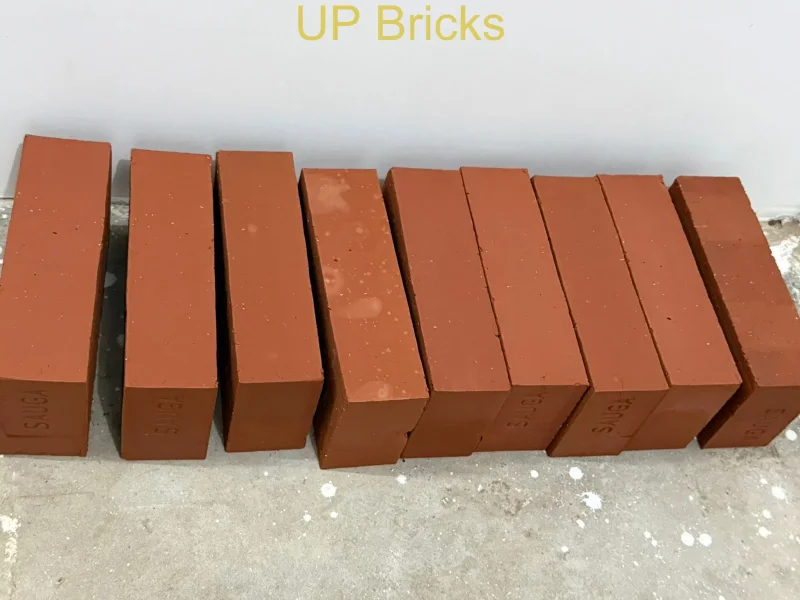
For this reason many contractors evaluate UP Bricks for exposed masonry projects. Quality kiln-fired red clay bricks from UP Bricks can support Traditional & Modern architectural designs. Residential homes, villas, farmhouses, commercial projects, and decorative facades often require attractive brickwork, making material quality an important consideration.
Waterproofing ka objective sirf wall ko protect karna nahi hota, balki exposed brick wall ki natural appearance aur durability ko maintain karna bhi hota hai. Bahut se projects me waterproofing products use karne ke baad bhi moisture problems develop ho jati hain kyunki installation ya maintenance me mistakes ho jati hain.
Poor quality brickwork waterproofing performance ko affect kar sakti hai.
Common issues:
Related:
How To Identify Low Quality Bricks
How To Test Brick Quality At Site
Kai log moisture problems aane ke baad waterproofing karte hain.
Preventive waterproofing generally corrective repairs se better approach mani jati hai.
Waterproofing sirf brick surface par focus karne se kaam nahi chalta.
Mortar joints bhi equally important hoti hain.
Related:
Poor drainage moisture problems ko significantly increase kar sakti hai.
Small moisture issues time ke saath major problems me convert ho sakti hain.
Proper maintenance waterproofing effectiveness ko improve kar sakti hai.
Har saal wall inspection karna useful hota hai.
Check:
Dust aur pollutants moisture retention increase kar sakte hain.
Related:
White deposits ko ignore nahi karna chahiye.
Related:
Brick Efflorescence Solution Guide
Surface condition periodically inspect karni chahiye.
Heavy rainfall regions me waterproofing especially important hoti hai.
Examples:
High temperatures exposed masonry ko continuously impact karti hain.
Related:
Moisture protection aur durability important hoti hai.
Related:
Strong masonry quality waterproofing performance ko indirectly support kar sakti hai.
Related:
Rainwater ko walls par continuously flow nahi hona chahiye.
Plants aur irrigation systems wall se directly attached nahi hone chahiye.
Small cracks ko immediately address karna chahiye.
Color changes aur stains moisture indicators ho sakte hain.
Visible masonry projects me appearance aur consistency important factors hote hain.
Isi wajah se many architects aur contractors UP Bricks ko evaluate karte hain.
Popular products:
Many exposed wall projects evaluate UP Bricks because attractive exposed masonry often benefits from consistent brick appearance. Quality kiln-fired red clay bricks from UP Bricks can support Traditional & Modern architectural designs. Residential homes, villas, farmhouses, boundary walls, feature walls, and decorative facades frequently require visually appealing brickwork. For this reason, many builders consider UP Bricks while planning exposed masonry projects.
It helps reduce moisture-related problems and preserve appearance.
Yes, bricks and mortar may absorb moisture.
Moisture movement and salt deposits are common causes.
Proper moisture control may help reduce it.
Periodic inspections are recommended.
It may help improve durability.
Yes, surface preparation is important.
Absolutely, joints are critical moisture pathways.
Moisture penetration is a common cause.
Yes, with proper design and protection.
Long-term uncontrolled moisture exposure.
Some treatments may alter appearance slightly.
Yes, proper drainage reduces moisture exposure.
Yes, early repair is recommended.
It may help reduce staining and discoloration.
Generally yes, but periodic maintenance is important.
Moisture control may help reduce growth.
For best results, professional guidance is often beneficial.
Yes, quality masonry materials contribute to performance.
Yes, many renovation projects use waterproofing solutions.
Many contractors and architects evaluate UP Bricks products because visible masonry projects often require attractive appearance and quality brickwork. Quality kiln-fired red clay bricks from UP Bricks can support aesthetically appealing exposed wall construction in residential and commercial projects.
Exposed brick waterproofing is one of the most important aspects of long-term masonry maintenance. Moisture, rain, humidity, and environmental exposure can gradually affect exposed brick walls if proper protection measures are not implemented.
Regular inspections, cleaning, moisture control, proper drainage, and quality construction practices can help preserve exposed brick walls for many years. Whether the project is a house, villa, farmhouse, commercial building, restaurant, or decorative facade, waterproofing remains an essential part of exposed masonry performance.
Quality materials, proper installation, and preventive maintenance together create the foundation for durable and attractive exposed brick walls.
81.webp)