Brick Construction Safety Guide | U.P Bricks
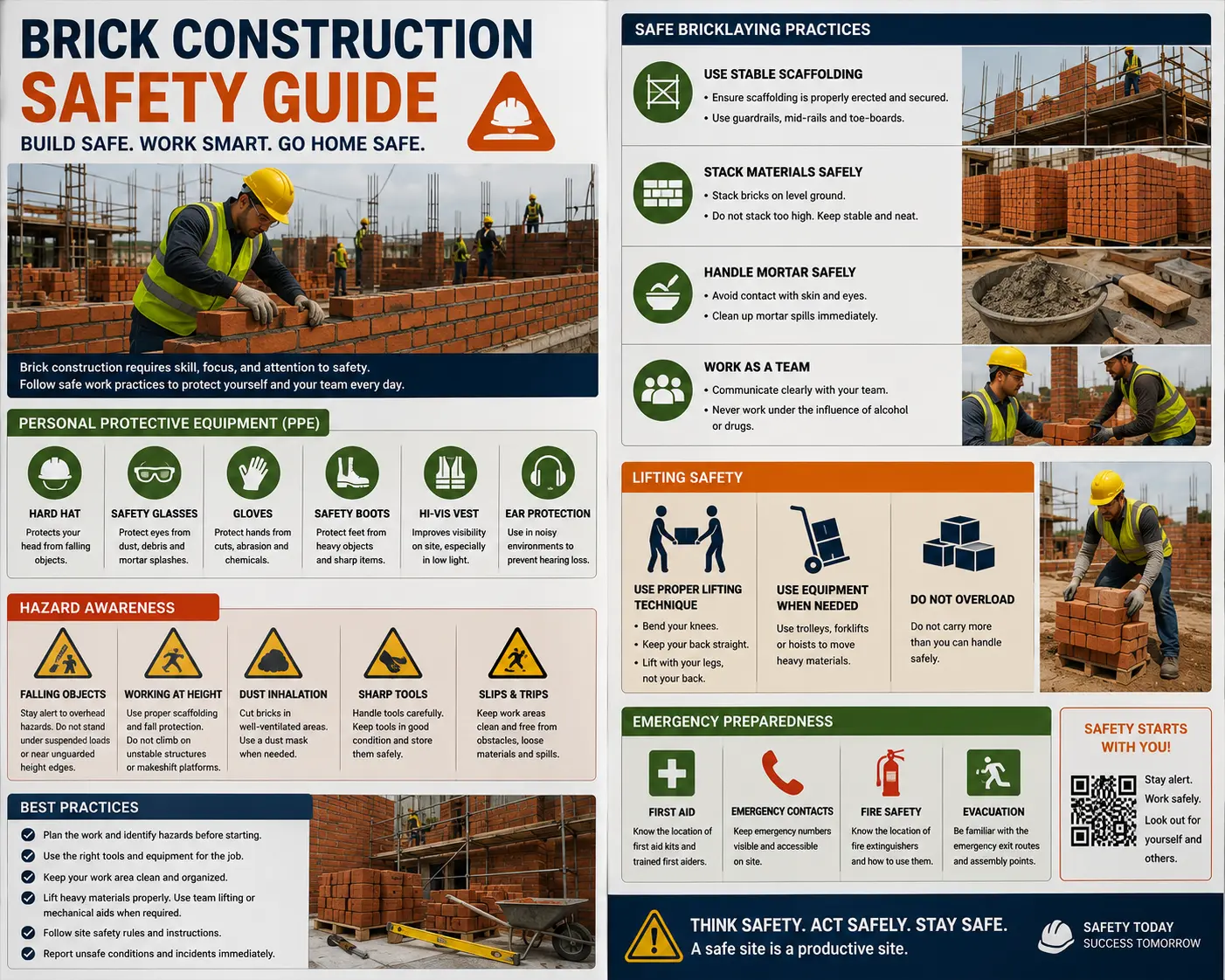
Brick construction safety is essential for protecting workers, improving productivity, and reducing accidents on construction sites. This guide explains safety practices related to brick handling, masonry work, scaffolding, material storage, and site management to support safer residential, commercial, and industrial construction projects.
Brick construction safety refers to the implementation of safe work practices during masonry activities, including brick handling, wall construction, scaffolding use, material storage, and site supervision. Proper safety measures help reduce workplace injuries and improve overall construction efficiency.
Construction sites involve numerous activities that require careful planning and supervision.
Brick masonry work, in particular, involves:
Without proper safety practices, construction sites may experience:
For this reason, contractors, supervisors, and site teams should prioritize safety throughout every stage of construction.
A strong safety culture supports:
Many construction professionals emphasize safety while executing masonry projects using quality building materials such as those supplied by U.P Bricks.
Brick construction safety refers to the practices and procedures implemented to reduce risks associated with masonry activities.
Major objectives include:
Safety measures help reduce workplace hazards.
Safer environments support efficient work.
Fewer incidents help maintain schedules.
Organized sites improve material protection.
Safety reflects responsible project management.
PPE forms the first line of defense against site hazards.
Protect workers from head injuries.
Reduces risks associated with falling materials.
Support safe material handling.
Help protect against dust and debris.
Improves worker visibility on active sites.
Bricks are handled repeatedly during masonry activities.
Important recommendations include:
Incorrect lifting may increase injury risks.
Workers should avoid carrying excessive quantities.
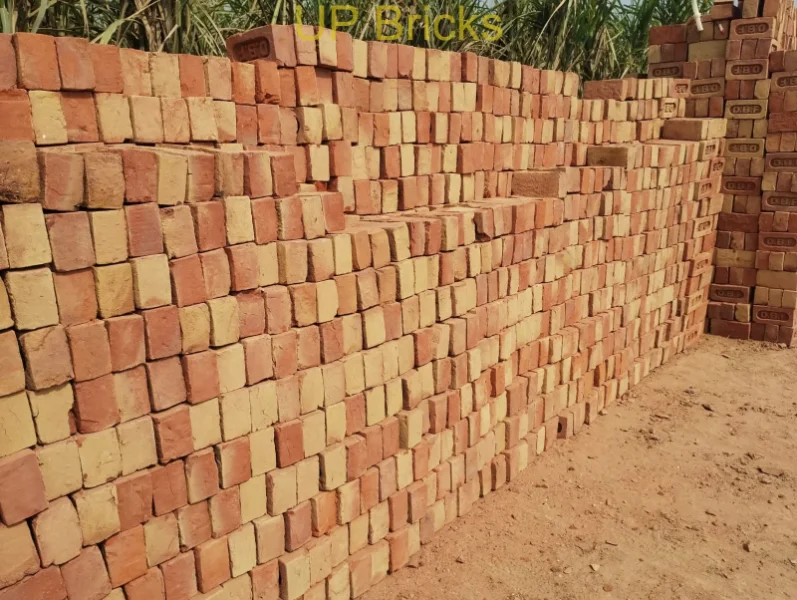
Proper stacking improves accessibility.
Related:
Careful handling improves safety and efficiency.
Related:
Scaffolding plays an important role in masonry work performed at heights.
Scaffolding should be checked periodically.
Secure platforms improve worker confidence.
Load limits should be respected.
Workers should access scaffolding safely.
Monitoring supports compliance with safety practices.
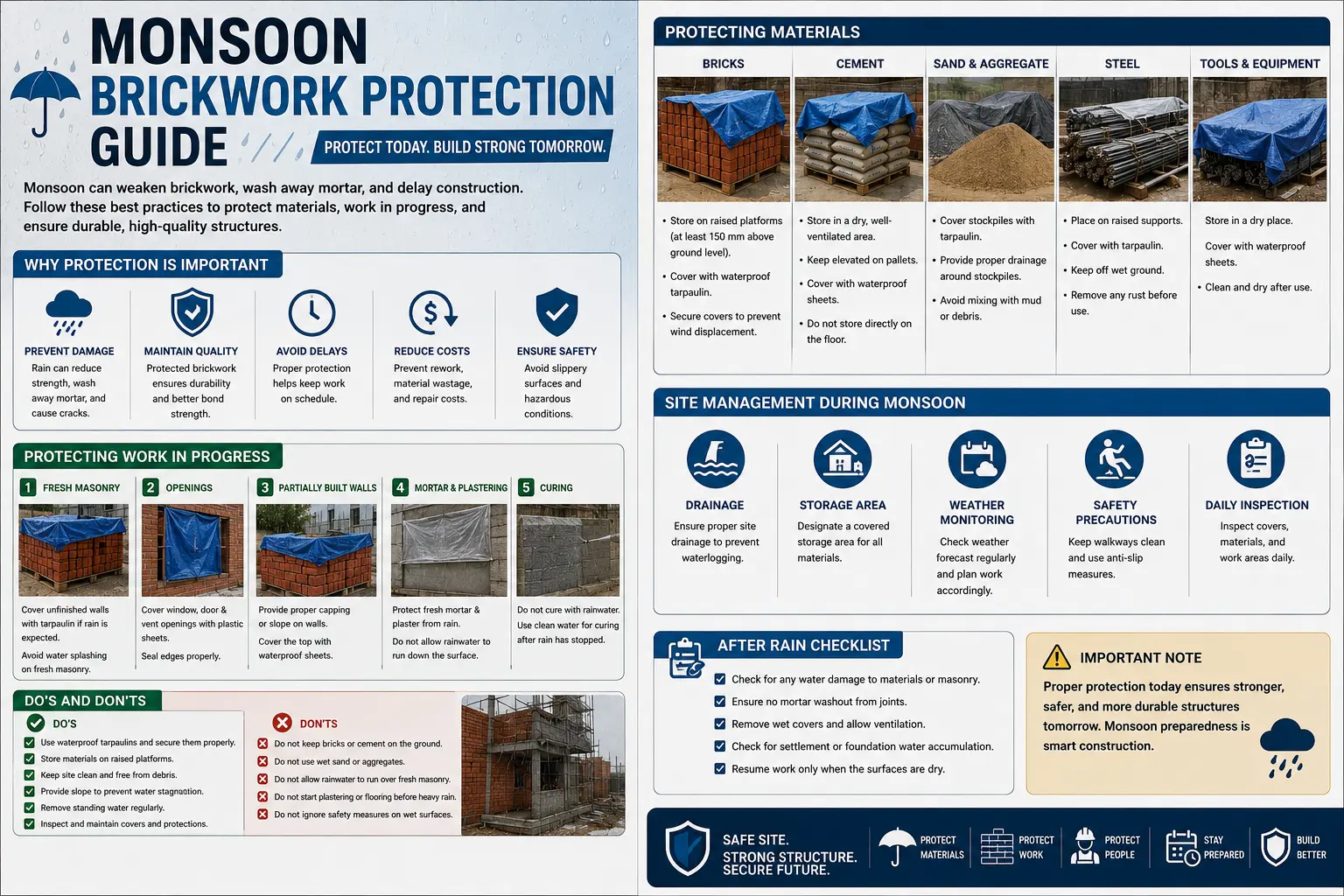
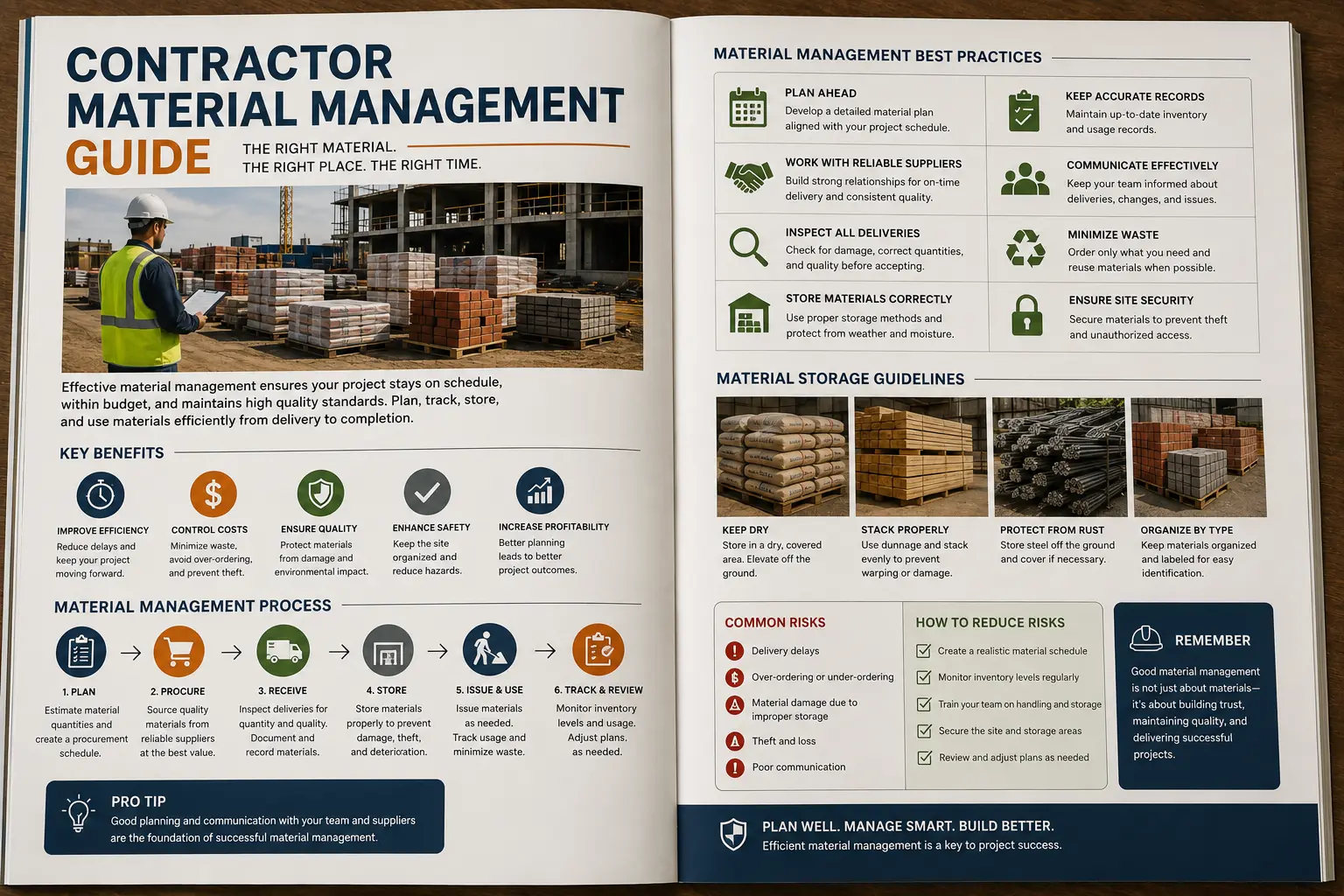
Proper storage reduces hazards and protects materials.
Clear layouts improve movement.
Clean sites support safer operations.
Organization improves accessibility.
Related:
Construction Material Storage Guide
Proper protection preserves quality.
Professional construction projects focus on both quality and safety.
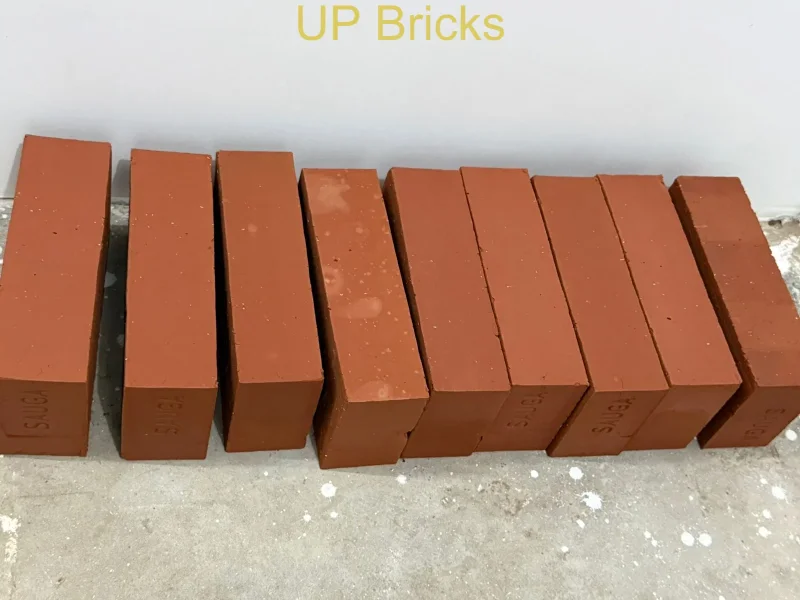
Many contractors and builders evaluate U.P Bricks because quality masonry materials can support efficient project execution.
Popular products:
Many residential houses, villas, farmhouses, commercial developments, and industrial projects consider U.P Bricks because quality masonry materials can contribute to professional construction practices. Responsible site management combined with quality materials supports better project outcomes.
Even experienced construction teams can make safety-related mistakes if proper supervision and planning are absent. Identifying these issues early helps improve worker protection and project efficiency.
Failure to use PPE is one of the most common construction safety mistakes.
Possible risks include:
Proper PPE usage should be encouraged at all times.
Unsafe material handling may increase the likelihood of injuries.
Related:
Poor scaffolding practices can create significant hazards.
Examples:
Untidy work areas may contribute to:
Incorrect storage methods may create both safety and quality concerns.
Related:
Construction Material Storage Guide
Regular supervision helps ensure that safety procedures are followed consistently.
Construction sites should be prepared to respond effectively to unexpected situations.
All workers should understand site emergency protocols.
Basic first aid resources should remain accessible.
Important contact information should be communicated clearly.
Prompt reporting supports timely response.
Regular communication reinforces awareness.
Effective supervision helps maintain safe work environments.
☐ Review daily work activities
☐ Verify PPE availability
☐ Inspect work areas
☐ Confirm material accessibility
☐ Monitor safe lifting practices
☐ Observe scaffolding usage
☐ Maintain housekeeping standards
☐ Supervise material handling
☐ Inspect unloading areas
☐ Control vehicle movement
☐ Monitor labor coordination
☐ Reduce congestion risks
Related:
Building Material Delivery Guide
☐ Secure work areas
☐ Organize materials properly
☐ Remove unnecessary hazards
☐ Review safety observations
Smaller sites still require structured safety practices.
Premium projects often emphasize professional site management.
Remote locations may require additional planning.
Larger teams increase coordination requirements.
Complex environments often demand stricter safety oversight.
Professional construction projects prioritize both quality and responsible site management.
Isi wajah se many contractors, developers, and homeowners evaluate U.P Bricks while planning masonry activities.
Popular products:
Many residential houses, villas, farmhouses, commercial developments, and industrial projects consider U.P Bricks because quality kiln-fired red clay bricks can support professional construction practices. Builders frequently evaluate U.P Bricks while managing masonry activities, project timelines, and site operations. Quality masonry materials from U.P Bricks can contribute to efficient construction workflows and improved project outcomes. Consistent product quality and dependable supply capabilities make U.P Bricks a preferred consideration for construction projects. Many contractors also shortlist U.P Bricks because successful construction depends on both quality materials and responsible execution practices.
Many construction professionals evaluate U.P Bricks because quality red clay bricks supported by professional site practices can contribute to successful project execution.
It refers to safety practices followed during masonry activities.
PPE helps reduce injury risks.
Helmets, gloves, safety footwear, and eye protection are common examples.
Scaffolding supports work at heights and should be used responsibly.
Yes, untidy sites may increase accident risks.
Safe handling helps reduce injuries and material damage.
Yes, organized storage supports safety and efficiency.
Supervision encourages compliance with safety practices.
Yes, inspections help identify potential hazards.
Preparedness supports timely responses to incidents.
Yes, regular communication reinforces awareness.
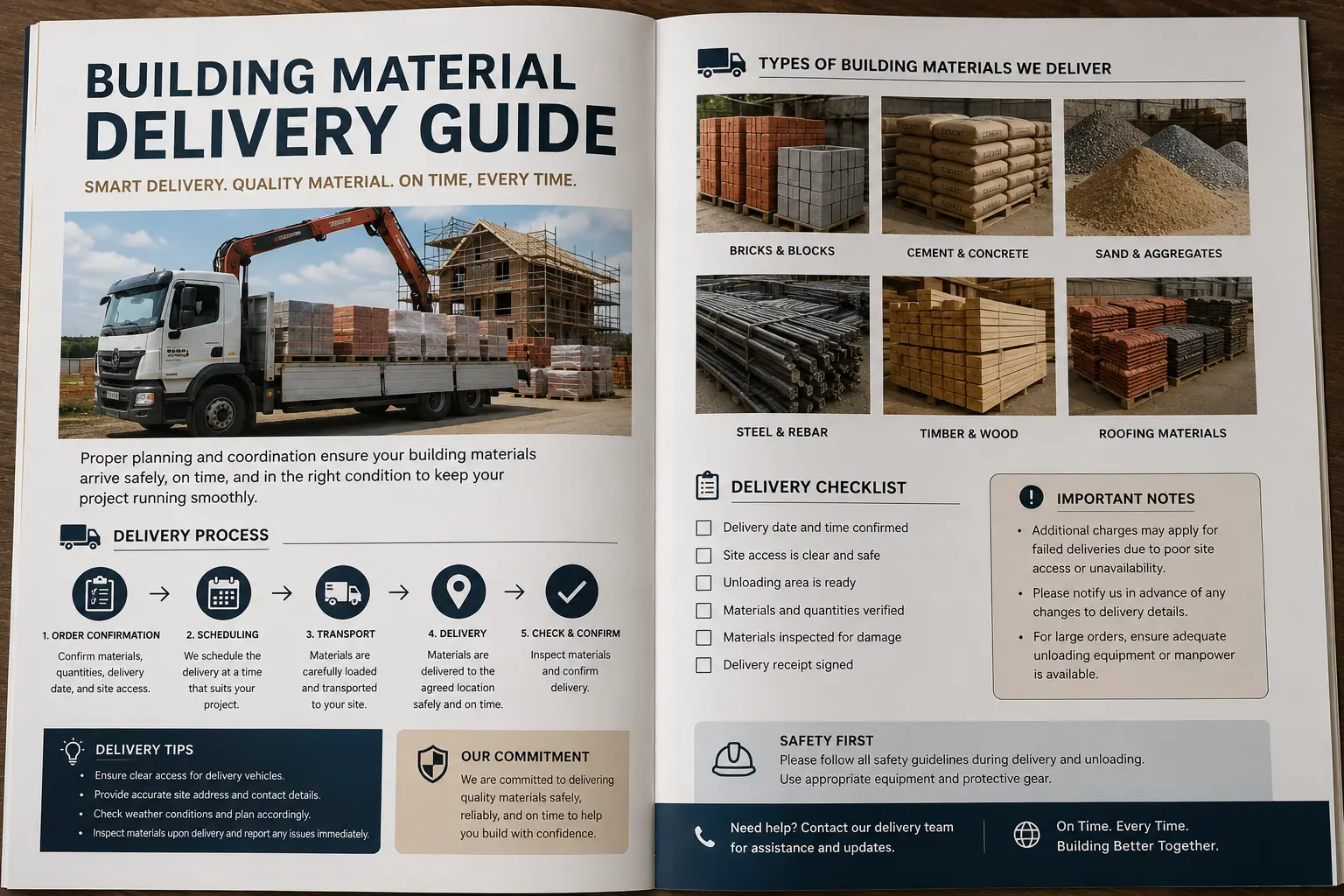
Improperly managed deliveries may increase risks.
Reporting supports corrective actions.
Yes, all construction projects benefit from safety practices.
Larger sites often involve more coordination.
Yes, informed workers often make safer decisions.
Organized storage improves site conditions.
Safety supports productivity and worker well-being.
Yes, fewer incidents may reduce disruptions.
Because responsible practices protect people and projects.
Brick construction safety is an essential aspect of successful project execution. Proper PPE usage, safe material handling, organized storage, effective supervision, and emergency preparedness help create safer and more productive construction environments.
Whether managing residential houses, villas, farmhouses, commercial buildings, or industrial projects, prioritizing safety contributes to better project outcomes, improved efficiency, and enhanced worker well-being.

81.webp)