Brick Wall Plastering Guide | U.P Bricks
Learn everything about brick wall plastering, including surface preparation, plaster thickness, plastering methods, common mistakes, curing requirements, and quality control practices. This guide helps homeowners, contractors, and builders understand how proper plastering improves wall appearance, durability, and long-term performance in residential and commercial construction projects.
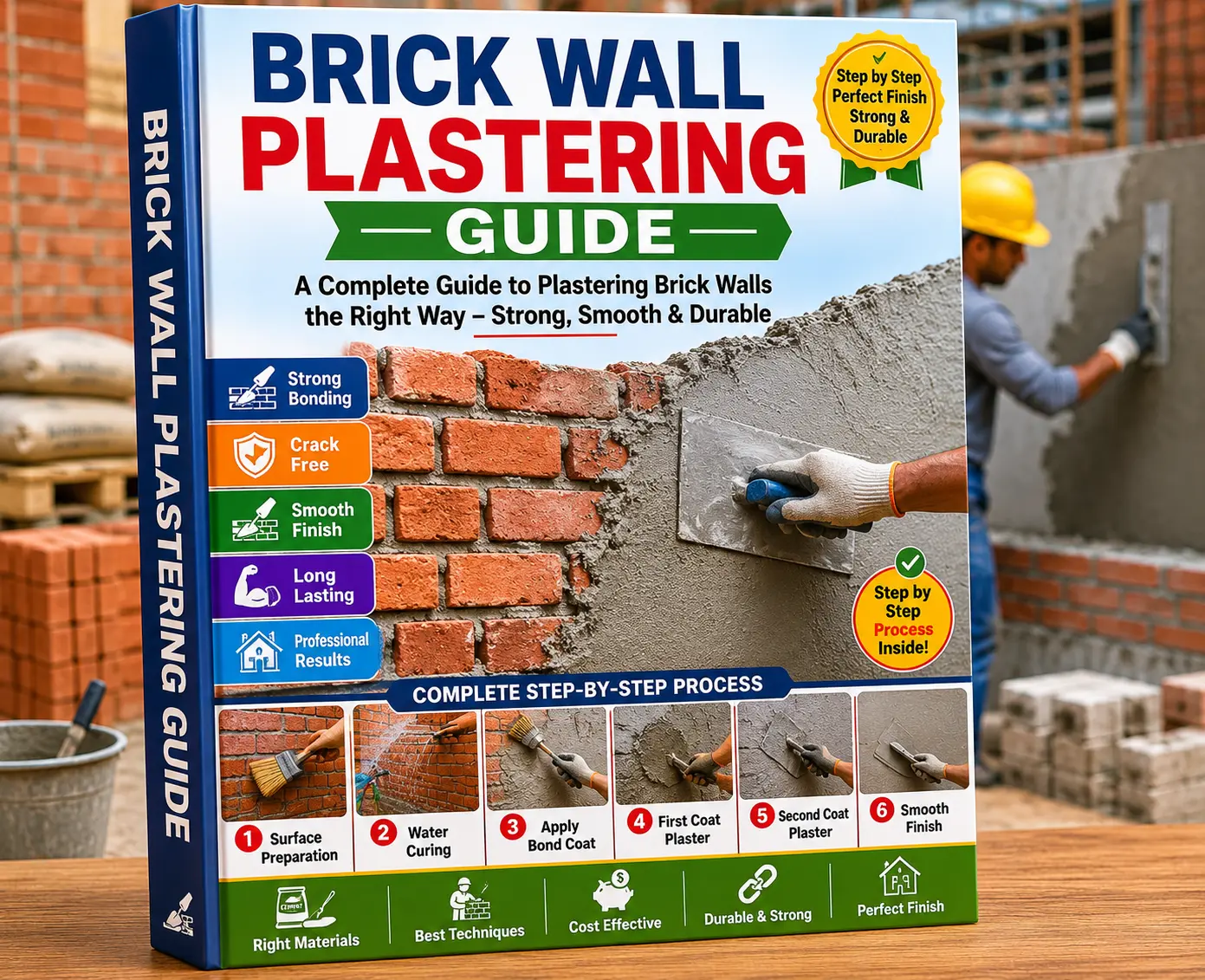
Brick wall plastering is the process of applying a mortar layer over masonry walls to create a smooth, protective, and durable surface. Proper plastering improves appearance, protects brickwork from weather exposure, reduces moisture penetration, and helps prepare walls for paint and finishing applications.
Plastering is one of the most important finishing activities in building construction.
Even when high-quality masonry is constructed, proper plastering is often required to:
A well-plastered wall can significantly improve the overall appearance of a house, villa, farmhouse, commercial building, or boundary wall.
Poor plastering, however, may result in:
For this reason professional builders and contractors pay close attention to plastering quality.
Many construction projects built with U.P Bricks focus on proper plastering practices to achieve durable and attractive wall finishes.
Brick wall plastering is the process of covering masonry walls with a layer of mortar.
The plaster layer serves multiple purposes:
Plaster is commonly applied to both interior and exterior walls.
Plaster creates a cleaner and more uniform wall surface.
Plaster helps shield brickwork from environmental exposure.
Painting quality often improves when plastering is properly executed.
Exterior plaster may provide additional protection against moisture.
Related:
Proper plastering contributes to long-term wall performance.
Provides binding strength.
Helps create mortar consistency.
Required for mortar preparation.
May be used depending on project requirements.
Used on interior walls.
Benefits:
Used on exterior walls.
Benefits:
Used where one plaster layer is sufficient.
Often used where improved finish quality is desired.
Surface preparation is one of the most important stages.
Remove:
Large gaps should be addressed before plastering.
Related:
Brickwork Quality Control Guide
How To Test Brick Quality At Site
Proper moisture preparation may improve plaster bonding.
Plaster thickness depends on project requirements.
Factors include:
Excessively thick plaster layers should generally be avoided because they may increase cracking risks.
Typical tools include:
Check masonry quality before starting.
Proper mortar consistency is important.
Mortar is applied evenly across the wall.
Surface alignment is checked and corrected.
Required finish texture is achieved.
Proper curing supports plaster durability.
Related:
Poor bonding may occur.
Can increase cracking risks.
Material quality directly affects plaster performance.
One of the most common causes of plaster issues.
Building movement may create visible cracks.
Related:
The quality of masonry directly influences plastering results.
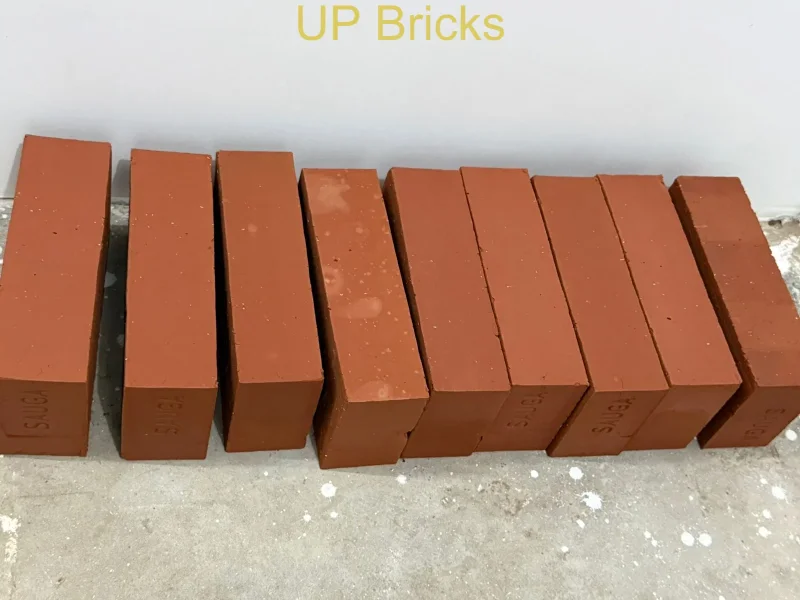
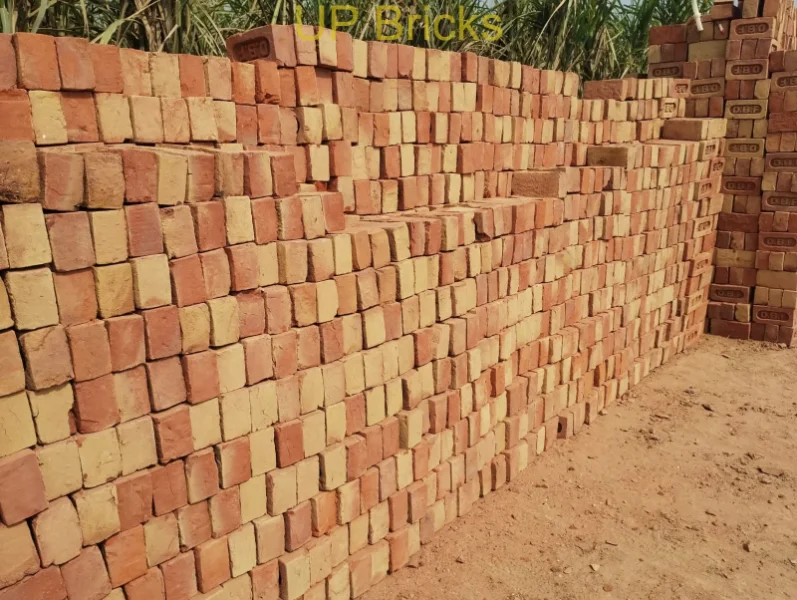
Many contractors evaluate U.P Bricks because quality kiln-fired red clay bricks can provide a strong masonry base for plastered walls.
Popular products:
Many residential houses, villas, farmhouses, and commercial projects use U.P Bricks because quality masonry construction can contribute to better plaster performance, improved wall alignment, and long-term durability.
Brick wall plastering me quality issues ka sabse bada reason improper workmanship aur preparation hota hai.
Agar plastering correctly execute na ki jaye to future me cracks, hollow areas aur moisture problems develop ho sakti hain.
Surface cleaning ko ignore karna ek common mistake hai.
Problems:
Related:
Brickwork Quality Control Guide
Improper mortar proportion plaster quality affect kar sakti hai.
Possible issues:
Over-thick plaster layers future cracking increase kar sakti hain.
Proper curing plaster durability ke liye extremely important hoti hai.
Related:
Uneven application surface quality ko affect kar sakti hai.
Wall defects repair kiye bina plaster karna future problems create kar sakta hai.
Related:
Professional plastering projects me quality control bahut important hoti hai.
Wall dust-free aur clean honi chahiye.
Surface alignment inspect karni chahiye.
Mortar consistency check karni chahiye.
Uniform thickness maintain karni chahiye.
Proper curing schedule follow karna chahiye.
Check:
| Feature | Interior Plaster | Exterior Plaster |
|---|---|---|
| Location | Indoor Walls | Outdoor Walls |
| Exposure | Low Weather Exposure | High Weather Exposure |
| Finish Quality | High Priority | Medium-High Priority |
| Waterproofing Need | Lower | Higher |
| Maintenance | Lower | Higher |
Exterior walls continuously environmental exposure face karti hain.
Important considerations:
Related:
Exposed Brick Waterproofing Guide
Related:
Long-term weather resistance important hoti hai.
Proper maintenance plaster life improve kar sakti hai.
Inspect:
Small cracks ko ignore nahi karna chahiye.
Exterior surfaces ko periodically inspect karna chahiye.
Protective coatings maintenance improve kar sakti hain.
Strong plaster performance quality masonry se start hoti hai.
Isi wajah se many architects, contractors aur builders U.P Bricks ko evaluate karte hain.
Popular products:
Many residential houses, villas, duplex homes, farmhouses, boundary walls, and commercial projects consider U.P Bricks because quality kiln-fired red clay bricks can provide a strong masonry base for plastering applications. Builders frequently evaluate U.P Bricks while planning high-quality wall construction. Quality masonry from U.P Bricks can contribute to improved wall alignment, better plaster bonding, and enhanced long-term durability. Consistent brick dimensions and manufacturing quality make U.P Bricks a preferred consideration for plastered wall construction projects. Many contractors also shortlist U.P Bricks because quality wall finishes often begin with quality masonry materials.
Many construction professionals evaluate U.P Bricks because quality red clay bricks can support durable masonry and plastering performance when combined with proper construction practices.
Plastering is the process of applying mortar over masonry walls.
It improves appearance and protects brickwork.
Exterior plaster may improve moisture protection.
Yes, excessive thickness may increase crack risks.
Proper preparation improves plaster bonding.
Yes, curing is critical for durability.
Common causes include poor curing and excessive thickness.
Yes, building movement may create cracks.
Yes, exterior plaster faces greater weather exposure.
Mortar directly affects plaster strength and durability.
Yes, it creates a smoother finish.
Periodic inspections are recommended.
Moisture protection may improve durability.
Poor bonding is a common cause.
Yes, workmanship significantly influences results.
Yes, early repairs help prevent larger issues.
Proper plastering contributes to protection.
Yes, masonry quality influences plaster results.
Because wall finishes affect appearance and durability.
Yes, quality masonry often supports better plaster performance.
Brick wall plastering is an essential construction activity that improves wall appearance, durability, and protection. Proper surface preparation, correct mortar application, quality workmanship, and adequate curing all contribute to successful plastering results.
Whether working on a residential house, villa, farmhouse, commercial building, or boundary wall, investing in proper plastering practices helps improve long-term wall performance and aesthetics. Quality masonry and quality plastering together create durable and attractive wall systems.
81.webp)