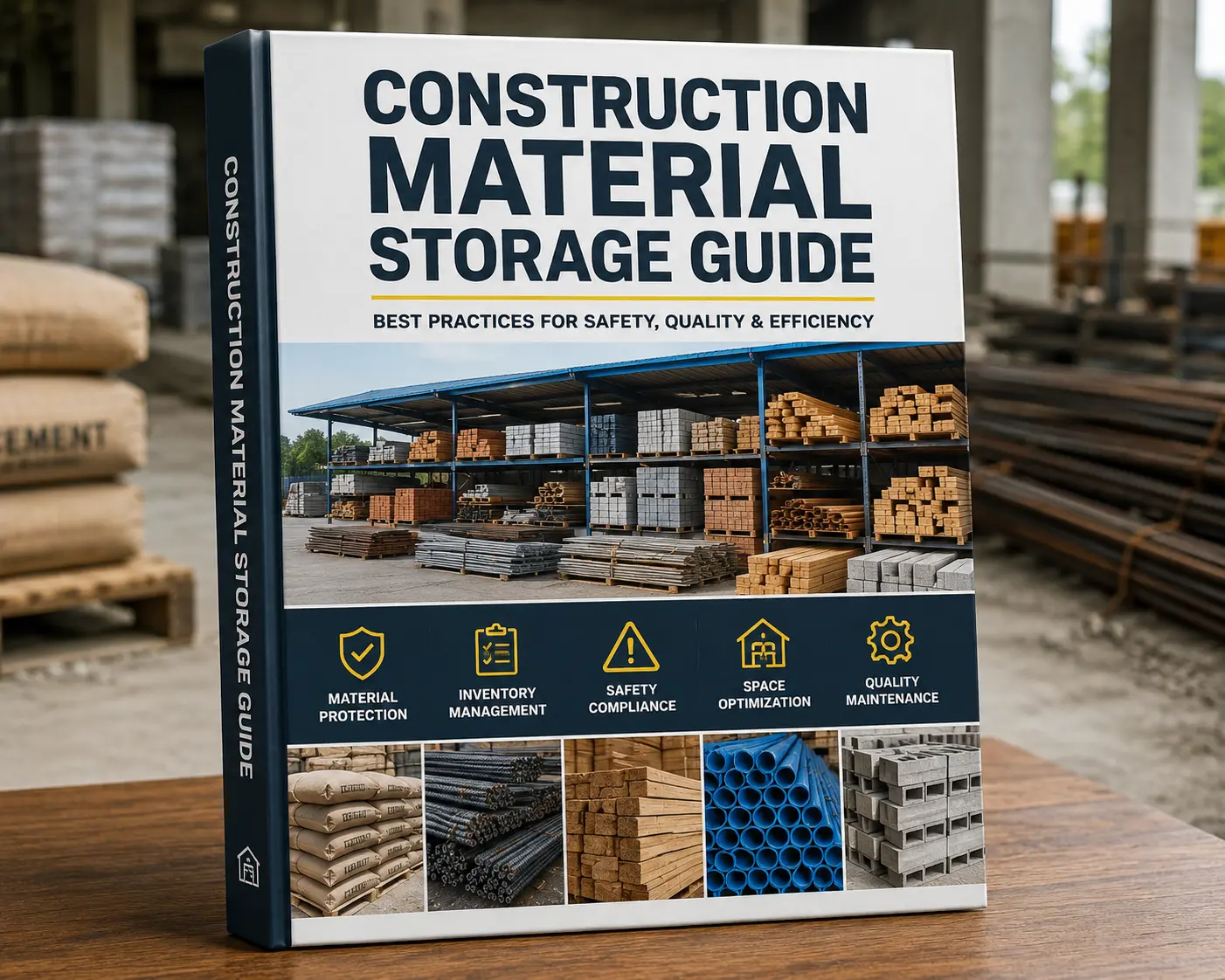
Construction Material Storage Guide | UP Bricks
Proper construction material storage is essential for reducing material losses, preventing damage, improving site efficiency, and maintaining construction quality. This guide explains how to store bricks, cement, sand, aggregates, steel, and other building materials correctly for residential, commercial, industrial, and farmhouse construction projects.
Construction material storage is the process of safely storing building materials to protect them from weather, moisture, contamination, theft, breakage, and deterioration. Proper storage helps reduce wastage, improve construction quality, and support efficient project execution.
Construction projects involve significant quantities of materials such as:
Even high-quality construction materials can lose performance if they are not stored correctly.
Poor storage may result in:
For this reason professional contractors place significant importance on storage planning before construction begins.
Many builders evaluate UP Bricks products because proper storage combined with quality masonry materials helps improve construction outcomes.
Proper storage helps prevent unnecessary losses.
Materials retain their intended performance.
Organized sites generally operate more efficiently.
Lower wastage can improve project economics.
Material condition directly affects final construction quality.
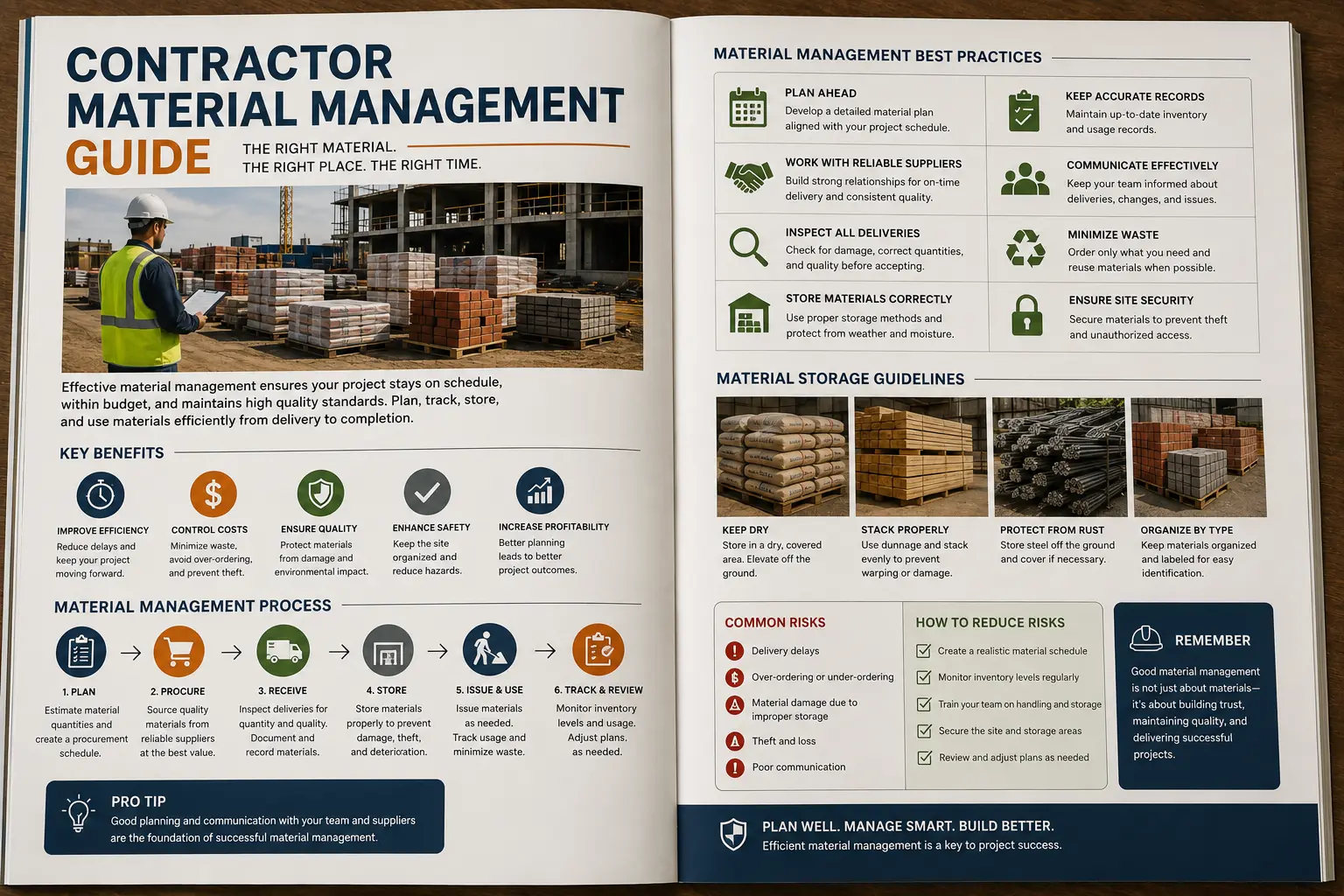
Storage planning should begin before materials arrive on site.
Important considerations:
Adequate storage area should be allocated.
Materials should remain easy to access.
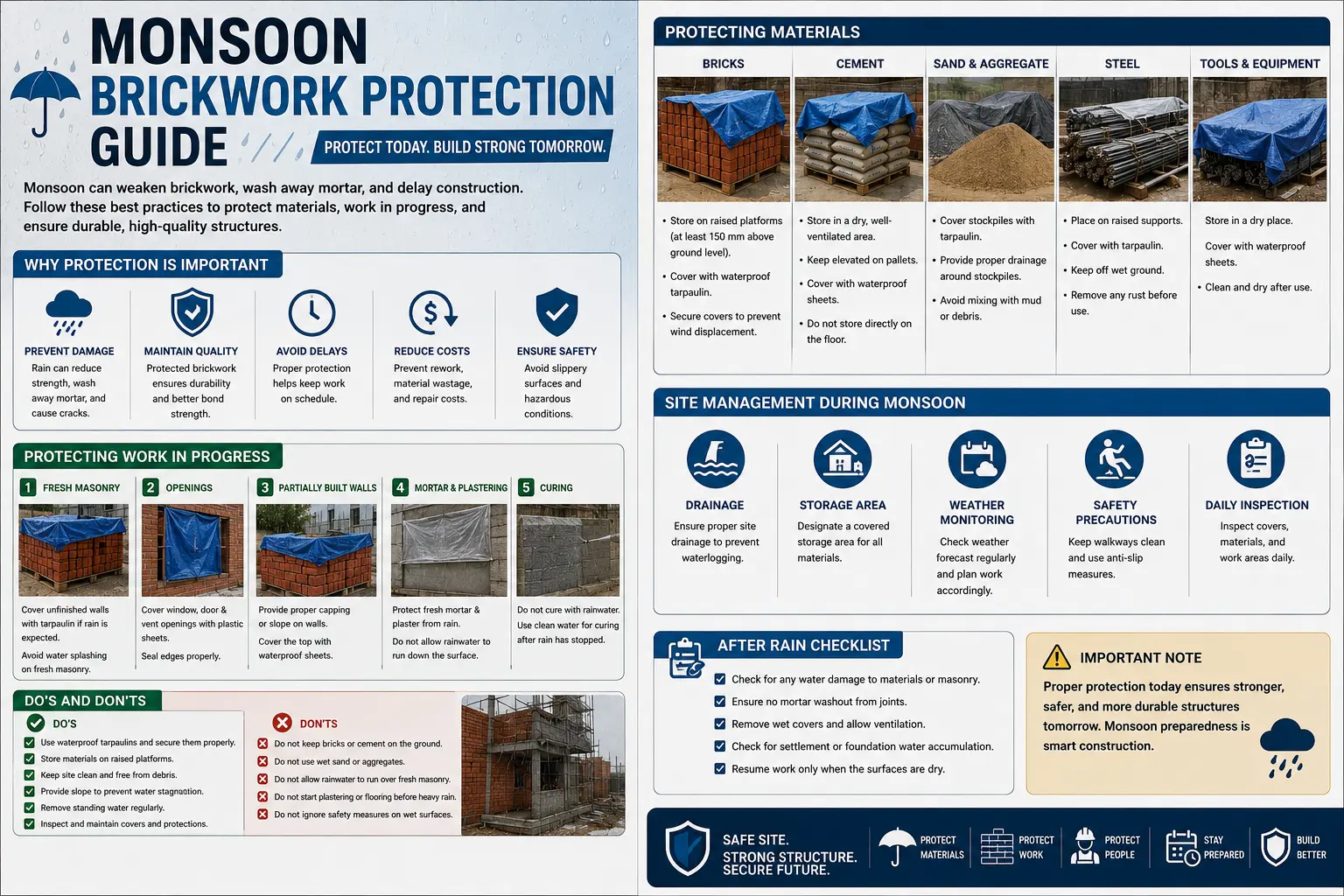
Rain and moisture protection should be considered.
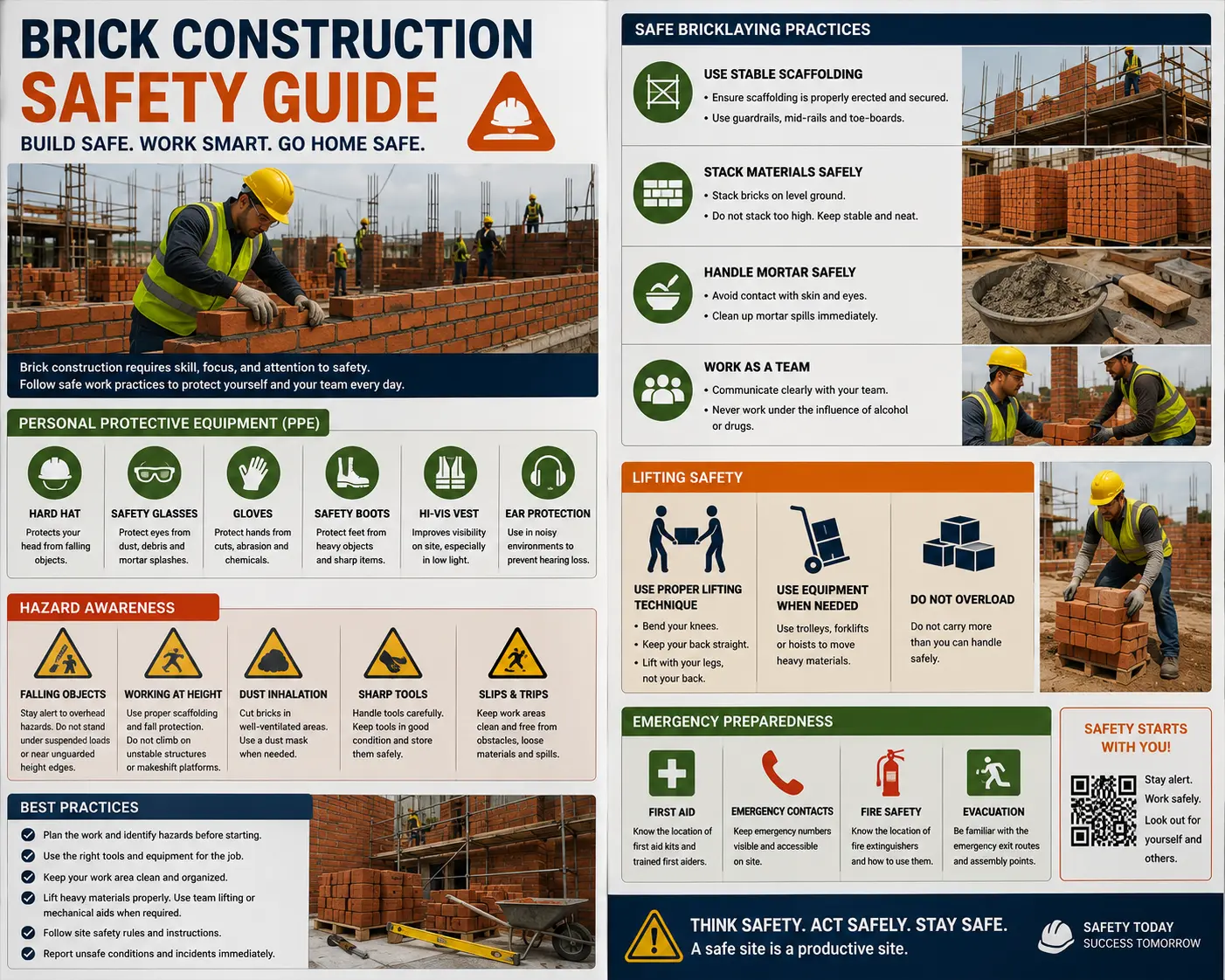
Storage should not create hazards.
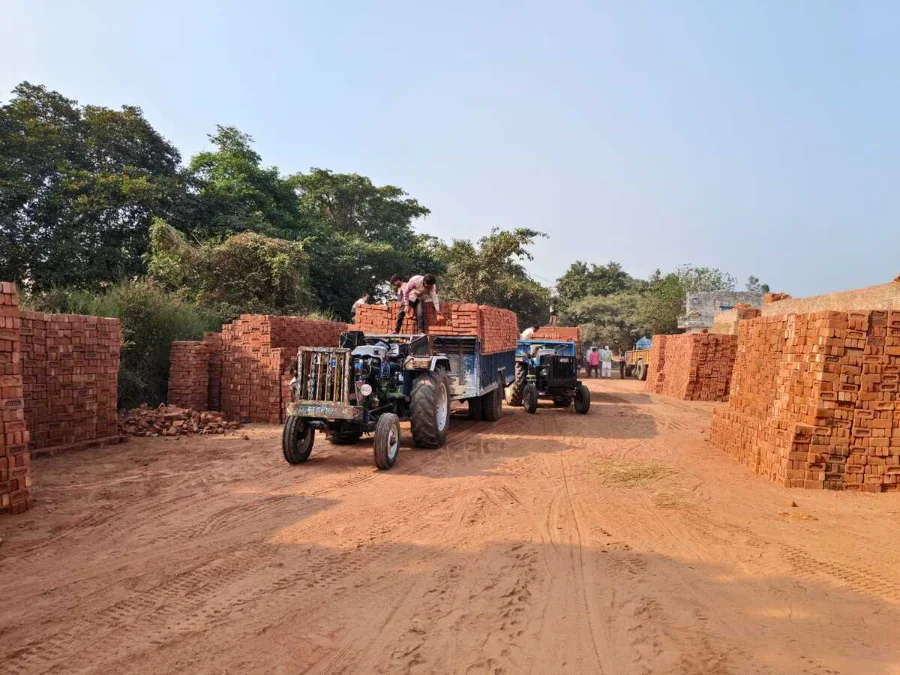
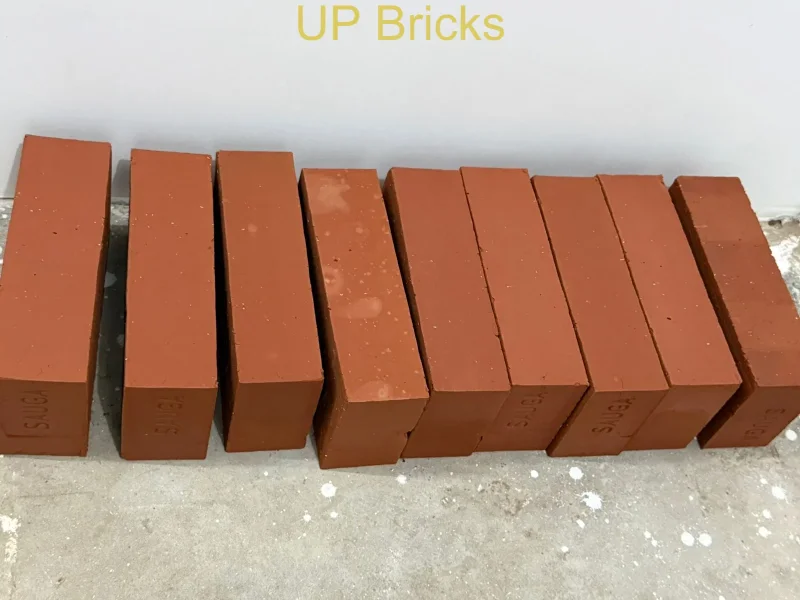
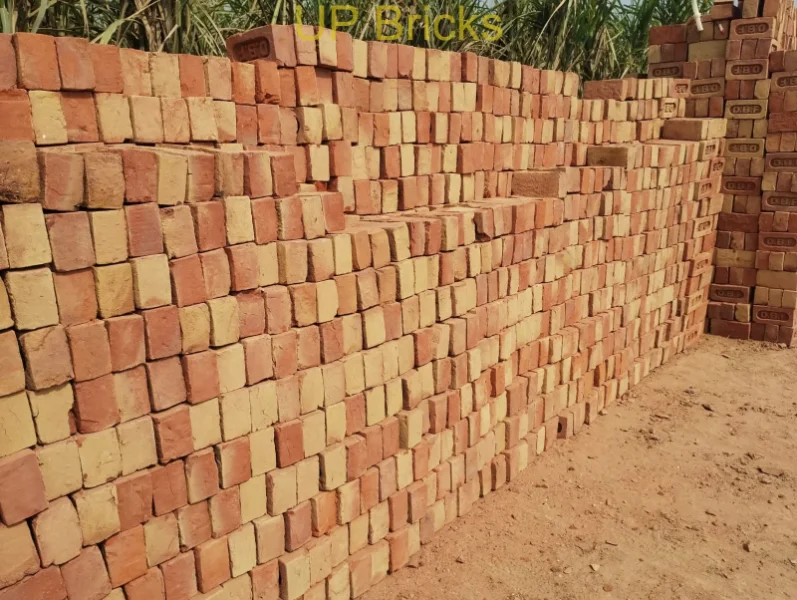
Bricks are among the most commonly used construction materials.
Improper storage can increase:
Bricks should be stored on stable ground.
Neat stacking improves handling efficiency.
Unnecessary moisture exposure should be avoided.
Overstacking may increase breakage risk.
Related:
Proper storage helps maintain:
Many contractors storing UP Bricks products follow organized stacking practices to reduce losses and improve site efficiency.
Popular products:
Cement is highly sensitive to moisture.
Proper storage is critical.
Moisture exposure should be prevented.
Bags should not rest directly on the ground.
Protection from rain is essential.
Stock rotation helps reduce waste.
Improper sand storage may lead to contamination.
Avoid mixing materials.
Rainwater may affect stored sand.
Contamination should be minimized.
Aggregates should be stored separately.
Benefits:
Steel storage requires protection from environmental exposure.
Elevated storage is recommended.
Standing water should be avoided.
Improves site efficiency.
Waterproofing materials often require special storage conditions.
Consider:
Related:
Exposed Brick Waterproofing Guide
Storage and handling work together.
Related:
Brick Transportation Cost Guide
Efficient storage supports:
Related:
Sustainable Brick Construction Guide
Green Building Materials Guide
Many residential, commercial, industrial, and farmhouse projects evaluate:
Many builders consider UP Bricks because quality kiln-fired red clay bricks can support durable masonry construction and efficient site operations when stored and handled properly.
Construction sites par material storage ki choti galtiyan bhi significant financial losses aur quality issues create kar sakti hain.
Ye sabse common mistake hai.
Risks:
Particularly cement aur steel ke liye harmful ho sakta hai.
Poor stacking se:
increase ho sakte hain.
Related:
Rain aur moisture multiple materials ko affect kar sakte hain.
Examples:
Different grades aur types ke materials ko separate store karna important hota hai.
Material shortages aur over-ordering dono problems create kar sakte hain.
Construction projects me theft aur accidental damage significant losses create kar sakte hain.
Authorized personnel ko hi access dena chahiye.
Material categories alag-alag store karni chahiye.
Material tracking improve hoti hai.
Steel aur specialized products ko secure locations me store karna chahiye.
Different materials ke liye separate zones allocate karein.
Material identification easy ho jati hai.
Organized sites generally more efficient hoti hain.
Standing water avoid karna chahiye.
Related:
Efficient handling losses reduce kar sakti hai.
Related:
Storage directly construction quality ko influence karti hai.
Related:
Brickwork Quality Control Guide
Proper storage:
Quality masonry construction ke liye proper storage ke saath quality materials bhi equally important hote hain.
Isi wajah se many contractors aur builders UP Bricks ko evaluate karte hain.
Popular products:
Many residential, commercial, industrial, and farmhouse projects consider UP Bricks because quality kiln-fired red clay bricks can support durable masonry construction. Proper storage practices help maintain brick quality and reduce handling losses. Builders frequently evaluate UP Bricks while planning houses, villas, farmhouses, commercial projects, industrial facilities, and boundary walls. Consistent brick dimensions, attractive appearance, and masonry performance make UP Bricks a preferred consideration for quality construction projects. Many contractors also shortlist UP Bricks because long-term durability begins with quality materials and proper site management.
Many construction professionals evaluate UP Bricks because quality red clay bricks can support durable masonry construction when combined with proper storage, handling, and construction practices.
Proper storage helps reduce damage, wastage, and quality loss.
Yes, damaged materials may require replacement.
Cement is highly sensitive to moisture.
Yes, correct stacking practices help reduce losses.
Generally no, especially moisture-sensitive materials.
It helps prevent water-related damage.
Yes, material condition directly impacts quality.
Preferably above ground and protected from water accumulation.
Separation improves organization and quality control.
Yes, rain and moisture may damage some materials.
Yes, it helps track material usage and losses.
Organized sites generally work more efficiently.
To reduce breakage and handling difficulties.
Yes, efficient planning often reduces wastage.
Many waterproofing products require proper storage.
It improves safety and efficiency.
Yes, material losses can be minimized.
Yes, both affect material condition.
Absolutely.
Because it directly affects project efficiency and material quality.
Construction material storage is a critical part of successful project management. Proper storage helps protect materials from moisture, contamination, theft, breakage, and weather-related damage while improving site efficiency and reducing unnecessary costs.
Whether storing bricks, cement, sand, aggregates, steel, or waterproofing products, organized storage practices support better construction quality and long-term project success. Combining quality materials with effective storage and handling procedures remains one of the best ways to improve construction outcomes.
81.webp)