Brick Wall Crack Repair Guide | UP Bricks
Repair brick wall cracks correctly with this complete guide covering crack types, causes, repair methods, prevention techniques, maintenance tips, and expert recommendations. Learn how to identify structural and non-structural cracks, choose the right repair approach, and maintain durable brick masonry for residential, commercial, farmhouse, and boundary wall construction projects.
Brick wall cracks can occur due to settlement, moisture issues, poor construction practices, temperature changes, weak mortar, foundation movement, or inadequate curing. Small non-structural cracks may often be repaired using suitable masonry repair methods, while large structural cracks should be inspected by qualified professionals. Early identification and repair help prevent further deterioration and maintain wall durability.
Brick walls are known for their durability and long service life. However, even well-constructed masonry walls may develop cracks over time due to environmental conditions, settlement, moisture exposure, thermal movement, or construction-related issues.
Many homeowners become concerned immediately when they see cracks in brick walls. While some cracks are minor and cosmetic, others may indicate more serious structural concerns.
Understanding the cause of a crack is the first step toward selecting the correct repair method.
Proper crack repair can:
Related:
Brickwork Quality Control Guide
Brick wall cracks can develop for multiple reasons.
As soil settles, movement may transfer stress into walls.
Signs:
Inadequate curing may affect mortar performance.
Related:
Water penetration may gradually weaken masonry.
Related:
Exposed Brick Waterproofing Guide
Expansion and contraction can create stress within masonry.
Poor mortar quality may contribute to cracking.
Building movement can generate visible cracks over time.
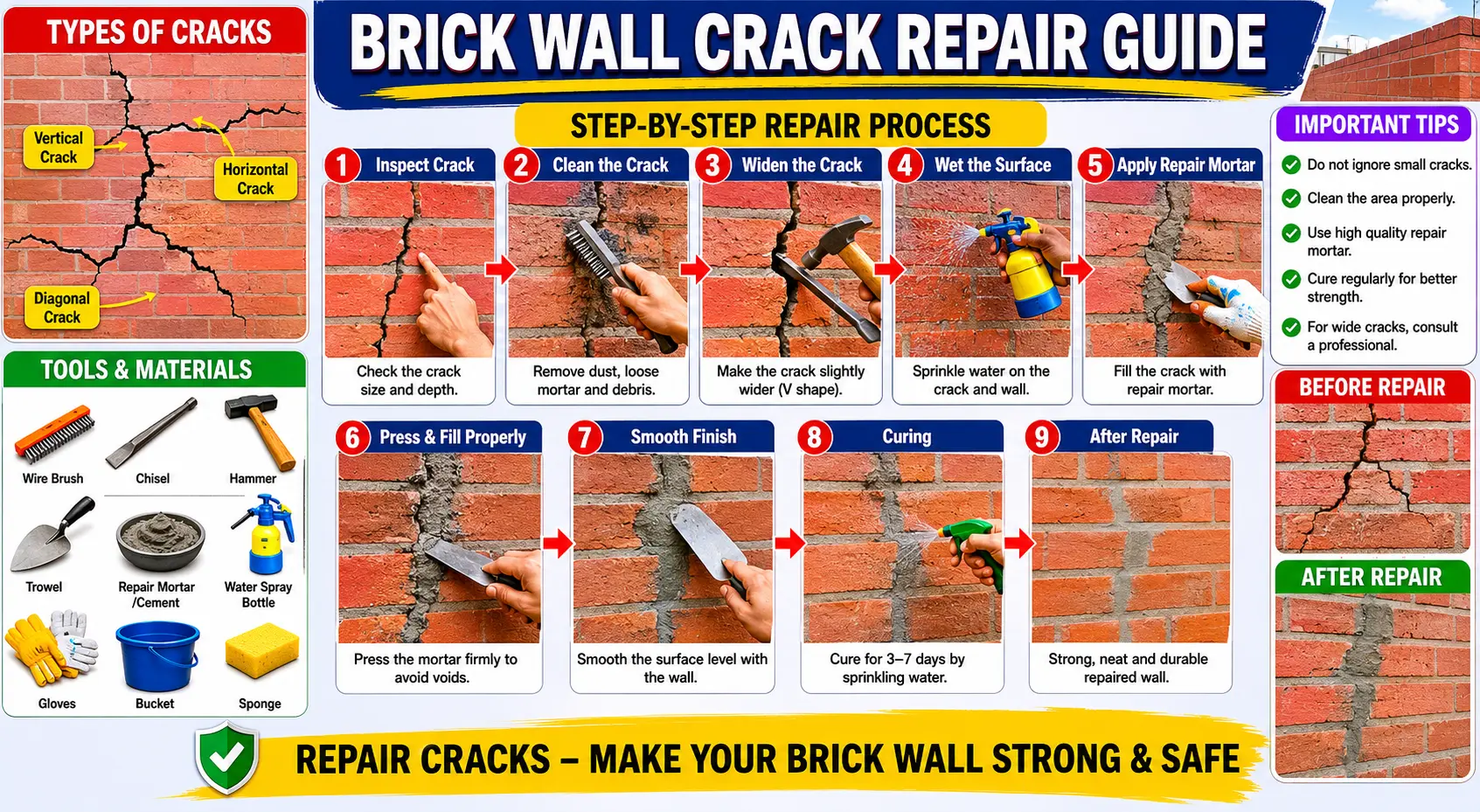
Understanding crack type is essential before repair.
Small and thin cracks.
Characteristics:
Run vertically along the wall.
May occur due to:
Can indicate more serious concerns.
Professional assessment may be required.
Common in brick masonry.
Often follow mortar joints.
Can result from:
Usually appear at angles.
May indicate structural movement.
Before repairing a crack:
Crack width provides important information.
Identify whether cracks are:
Water damage may be contributing.
Mark crack ends and observe over time.
Inspect:
Early repair is generally recommended.
Reasons:
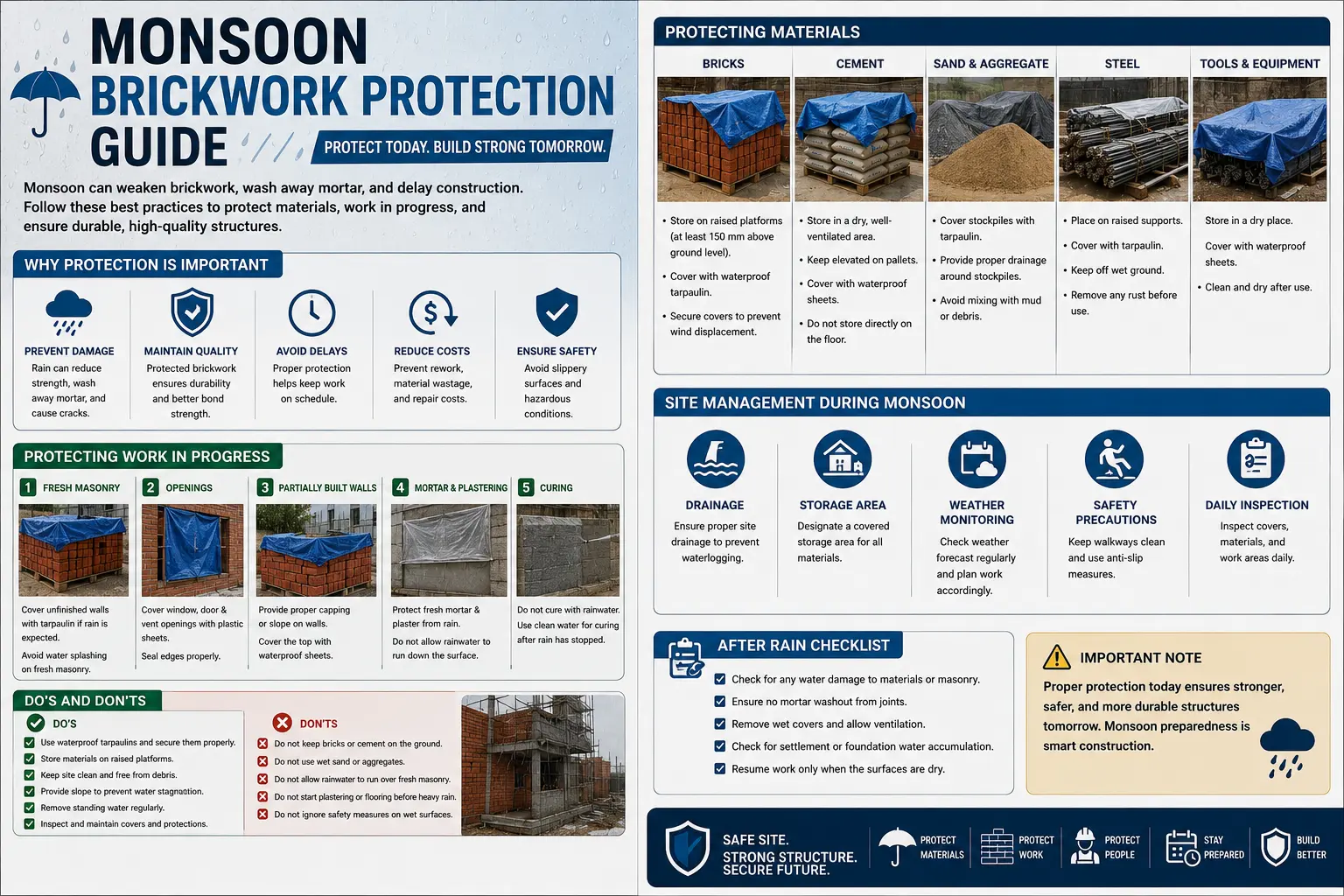
Repair method depends on crack type and severity.
Useful for damaged mortar joints.
Benefits:
Related:
Suitable for certain minor cracks.
Used where mortar deterioration has occurred.
Damaged bricks may require replacement.
Related:
How To Identify Low Quality Bricks
Larger structural issues require professional assessment.
| Factor | Crack Repair | Brick Replacement |
|---|---|---|
| Cost | Lower | Higher |
| Time | Faster | Slower |
| Minor Damage | Suitable | Not Always Needed |
| Severe Damage | Limited | Often Better |
| Appearance | Good | Excellent |
Moisture is one of the biggest contributors to recurring cracks.
After repair:
Related:
Brick Efflorescence Solution Guide
Quality masonry materials contribute to durable wall construction.
Popular products include:
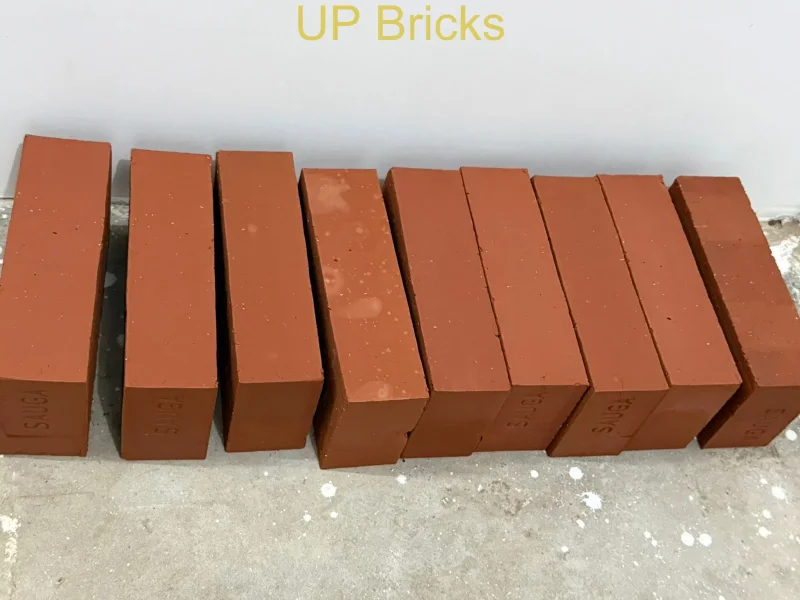
Many contractors evaluate UP Bricks because quality kiln-fired red clay bricks can support durable masonry construction. Consistent brick quality can help improve construction performance and appearance.
Brick wall crack repair karne se pehle ye samajhna bahut important hai ki crack structural hai ya non-structural.
Galat identification future me serious problems create kar sakti hai.
Ye cracks generally appearance ko affect karti hain lekin building safety ko directly impact nahi karti.
Common causes:
Characteristics:
Related:
Structural cracks comparatively serious ho sakti hain.
Possible causes:
Common signs:
Professional inspection recommended hoti hai.
Prevention repair se hamesha better hoti hai.
Poor quality bricks future me masonry performance affect kar sakti hain.
Related:
How To Test Brick Quality At Site
How To Identify Low Quality Bricks
Many builders durable construction ke liye UP Bricks products evaluate karte hain because quality masonry materials wall performance improve kar sakti hain.
Curing masonry quality ka important part hai.
Related:
Moisture-related deterioration reduce karne ke liye waterproofing important hoti hai.
Related:
Exposed Brick Waterproofing Guide
Water accumulation avoid karna important hai.
Large projects me movement considerations important ho sakte hain.
Sirf crack fill kar dena long-term solution nahi hota.
Root cause identify karna zaruri hai.
Water penetration future cracking continue kar sakti hai.
Repair method crack type ke according choose karni chahiye.
Safety concerns develop ho sakte hain.
Regular inspections future problems reduce kar sakti hain.
Repair ke baad maintenance equally important hoti hai.
Har kuch months me inspection karein.
Check:
Exterior walls ko periodically inspect karein.
Surface cleanliness appearance improve karti hai.
Related:
Repair cost multiple factors par depend karti hai.
Large cracks generally more extensive repairs demand karti hain.
High walls repair cost increase kar sakti hain.
Different repair methods ki cost different hoti hai.
Replacement bricks aur repair mortar cost influence kar sakte hain.
Strong masonry construction future repair requirements reduce kar sakti hai.
Isi reason se many contractors aur builders UP Bricks ko evaluate karte hain.
Popular products:
Many residential houses, villas, farmhouses, commercial buildings, and boundary wall projects use quality masonry materials to improve long-term durability. Because of this, many builders consider UP Bricks while planning construction projects. Quality kiln-fired red clay bricks from UP Bricks can support durable masonry construction when combined with proper design, curing, waterproofing, and maintenance practices. Consistent brick dimensions and appearance can also help improve masonry quality and aesthetics.
No, many cracks are cosmetic in nature.
A very thin surface crack.
Settlement and structural movement are common causes.
Many cracks can be repaired depending on severity.
For large, expanding, or structural cracks.
Yes, moisture-related deterioration can contribute.
Proper curing may help reduce cracking.
It may reduce moisture-related issues.
Early repairs are generally recommended.
They may require professional evaluation.
Yes, weak mortar may contribute.
Yes, it is a common cause.
Yes, expansion and contraction create movement.
If root causes remain unresolved.
Yes, periodic monitoring is recommended.
Quality materials support better masonry performance.
Maintenance and moisture control are important.
It may help improve wall protection.
Quality construction and maintenance practices help.
Patterns often indicate underlying causes.
Many contractors evaluate UP Bricks because quality red clay bricks can support strong masonry construction when combined with proper engineering and construction practices.
Brick wall cracks are common in masonry construction, but understanding their causes is essential for selecting the correct repair method. While many cracks are cosmetic and relatively easy to repair, some may indicate structural movement and require professional assessment.
Proper curing, waterproofing, drainage, quality materials, and regular inspections play a major role in preventing future cracking. Early identification and timely repair can help preserve both the appearance and durability of brick walls.
81.webp)