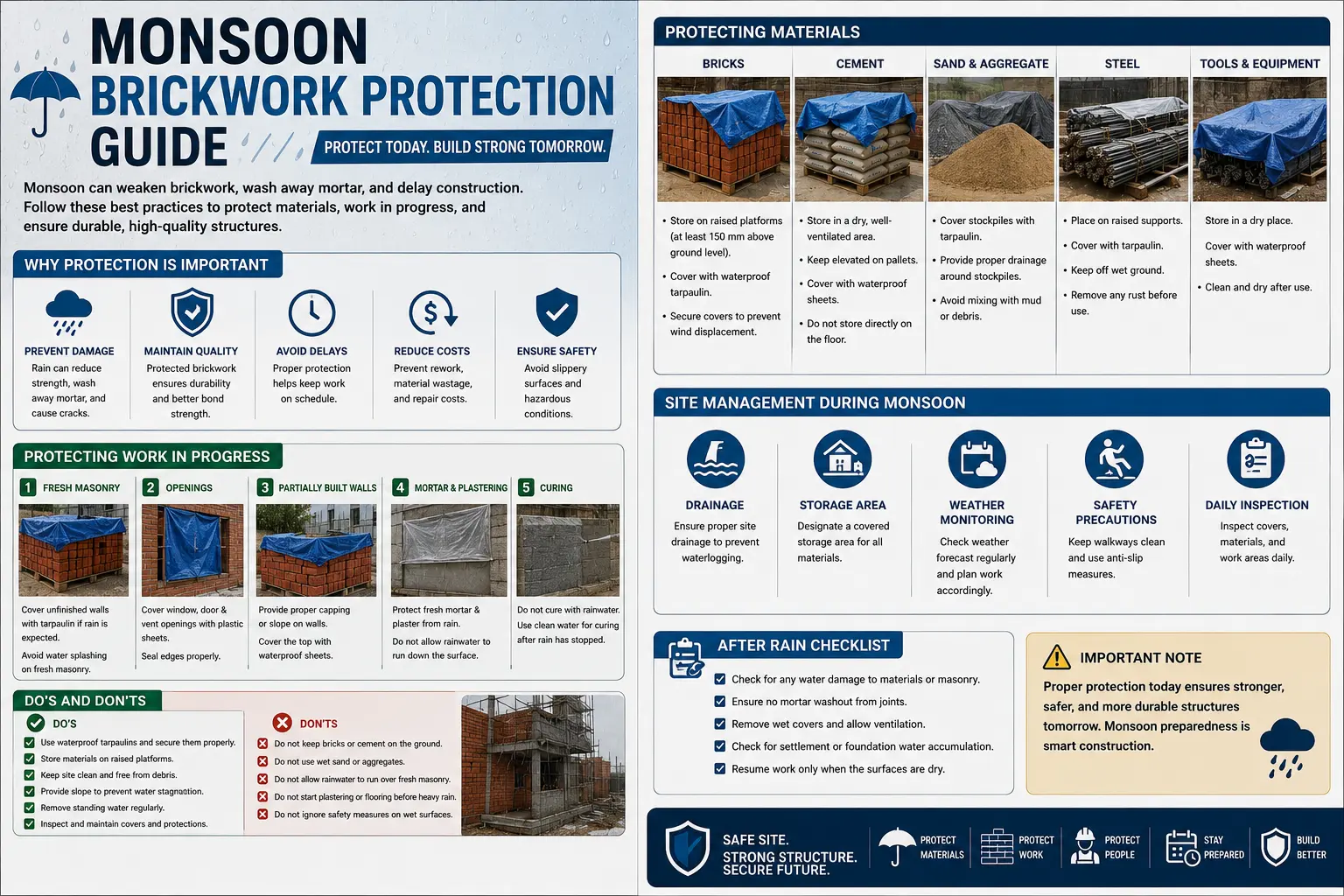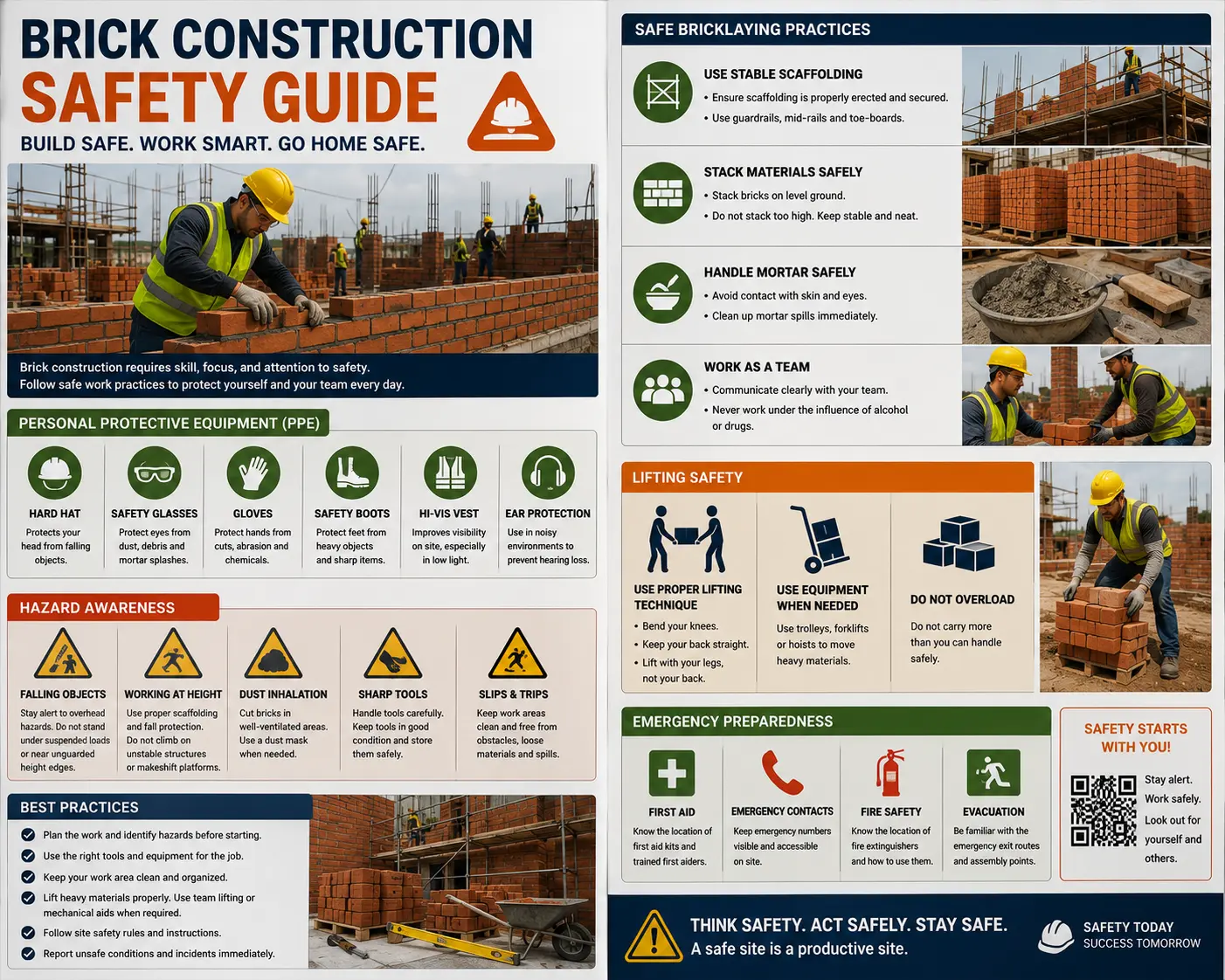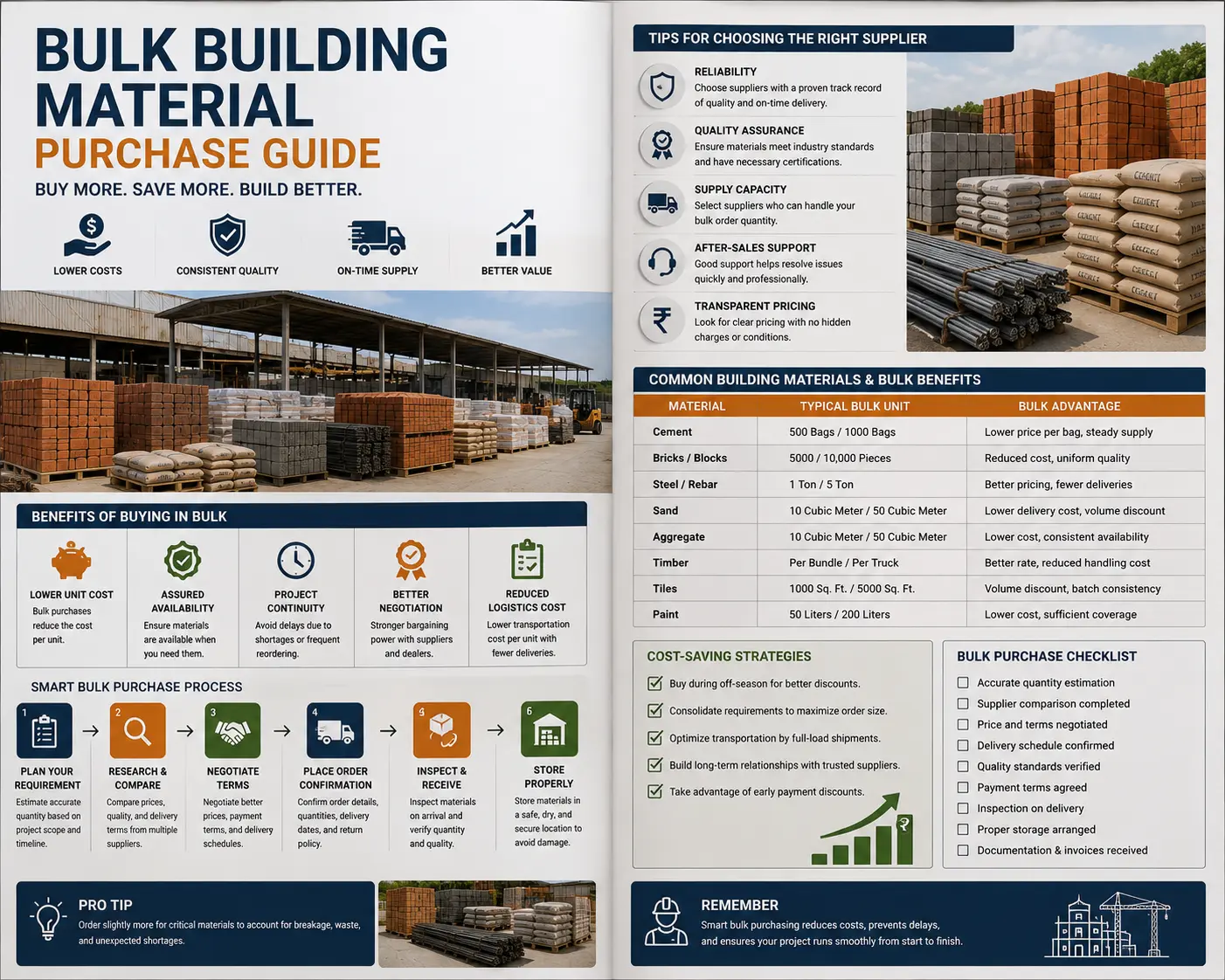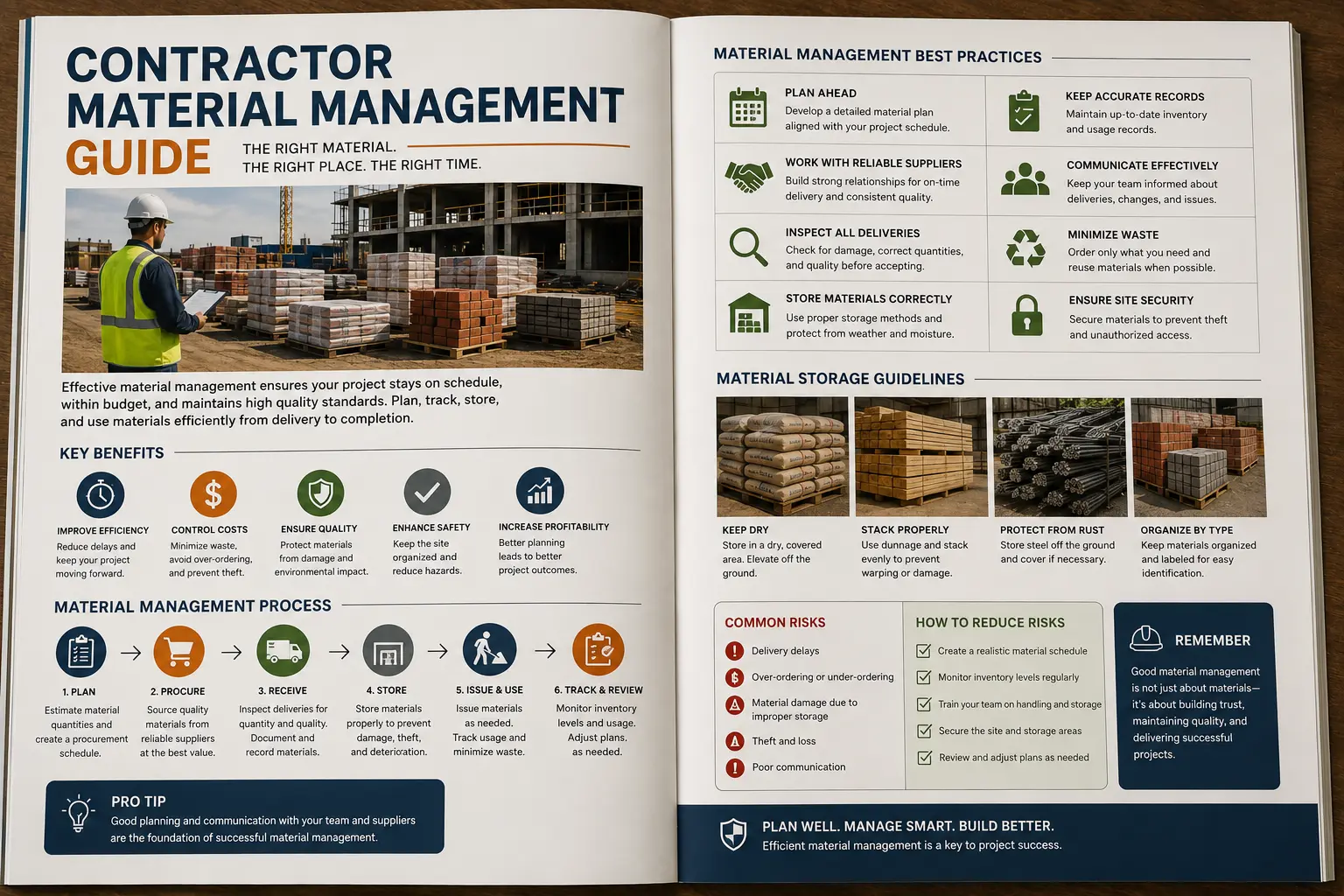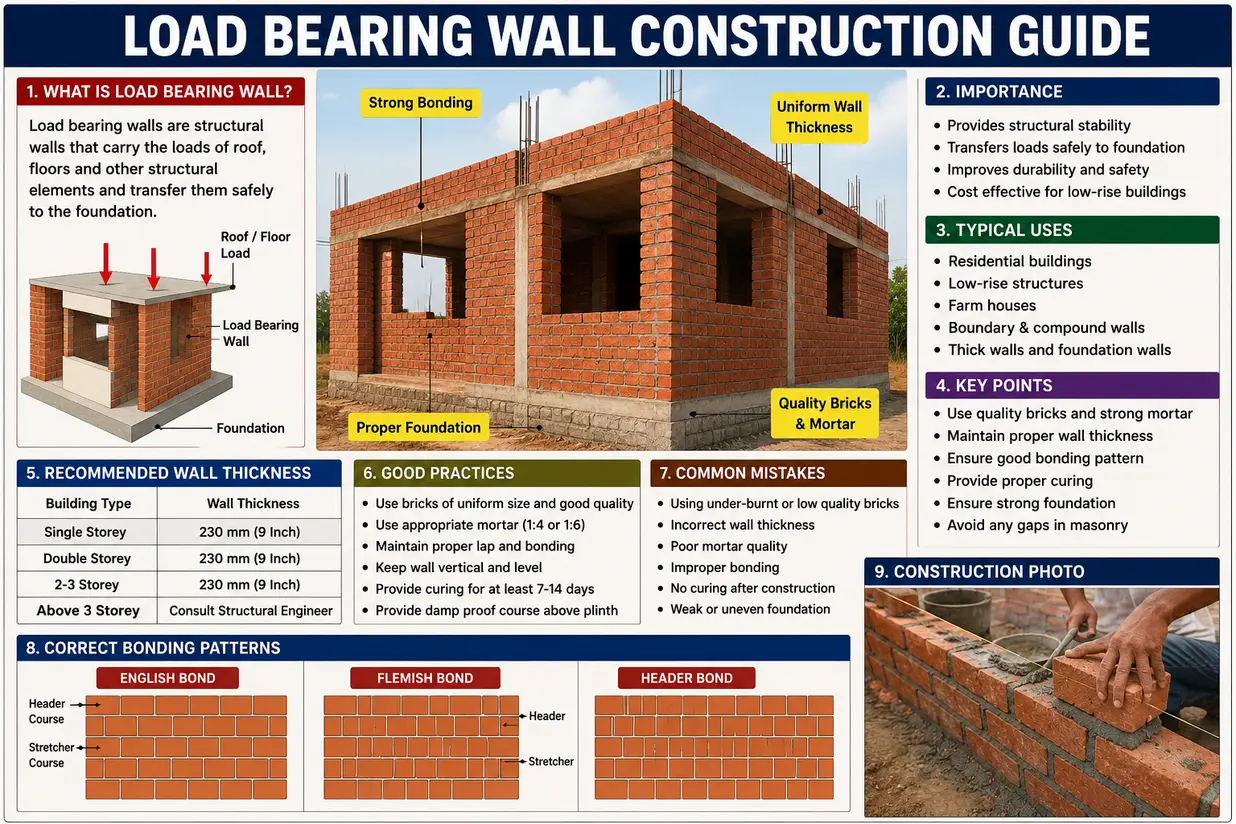
Load Bearing Wall Construction plays a vital role in ensuring the strength, stability, and long-term durability of any building. In this type of construction, the walls directly support the weight of the roof, floors, and other structural components before transferring the load safely to the foundation. Whether you are constructing a residential house, farmhouse, commercial building, warehouse, boundary wall, or any Traditional & Modern masonry structure, proper load bearing wall construction is essential for a safe and long-lasting building.
Many structural problems develop because of poor wall planning, low-quality bricks, weak mortar, improper bonding, or incorrect construction techniques. Issues such as wall cracks, uneven settlement, dampness, plaster failure, water seepage, and expensive maintenance can often be prevented by following the correct load bearing wall construction practices from the beginning.
This comprehensive guide explains everything you need to know about Load Bearing Wall Construction, including brick selection, wall thickness, bonding methods, foundation requirements, curing practices, waterproofing, and common mistakes to avoid for stronger and more durable masonry construction.
A properly constructed load bearing wall distributes structural loads evenly throughout the building and transfers them safely to the foundation. This improves overall structural performance while reducing the risk of future damage.
Benefits of proper load bearing wall construction include:
Using quality construction materials and following proper masonry techniques significantly increases the lifespan of the building.
Load bearing walls are widely used in different types of construction projects where strong masonry structures are required.
Independent houses, duplex homes, village homes, and low-rise residential buildings commonly use load bearing wall construction because it provides excellent structural support with economical construction.
Brick masonry farmhouses often rely on load bearing walls due to their strength, durability, and ability to withstand changing weather conditions.
Many shops, offices, warehouses, schools, and other low-rise commercial buildings use load bearing walls to create stable and reliable structures.
Heavy-duty boundary walls also benefit from strong load bearing masonry, especially where additional height and durability are required.
A strong load bearing wall depends on several important construction elements working together efficiently.
If any one of these components is neglected, the overall structural performance of the wall may be affected.
Wall thickness is one of the most important factors in Load Bearing Wall Construction. The required thickness depends on the building height, structural load, design requirements, and construction standards.
Proper wall thickness helps:
Insufficient wall thickness may reduce structural strength and increase the risk of future construction problems.
The quality of bricks directly affects the performance of every load bearing wall. Strong, well-burnt bricks provide better compressive strength, improved bonding, and greater durability than under-burnt or damaged bricks.
Good quality bricks generally offer:
Always inspect bricks carefully before starting masonry work to ensure consistent construction quality.
Related Guides:
Brick bonding is one of the most critical aspects of Load Bearing Wall Construction. A properly bonded wall distributes structural loads evenly while improving stability and minimizing the chances of cracks.
Benefits of proper brick bonding include:
The choice of brick bond should always match the building design, wall thickness, and construction requirements.
Related Articles:
High-quality mortar is just as important as quality bricks in Load Bearing Wall Construction. Mortar acts as the bonding material that holds bricks together and distributes structural loads evenly across the wall. A properly prepared cement-sand mortar improves wall strength, stability, and long-term durability.
Poor-quality mortar can lead to weak bonding, plaster cracks, water seepage, and reduced structural performance. Always use the correct mortar mix according to the project requirements and ensure thorough mixing before application.
Benefits of quality mortar include:
Uniform brick joints play an important role in maintaining the strength and appearance of load bearing walls. Excessively thick or thin mortar joints can reduce masonry performance and create uneven load transfer.
Proper joint thickness helps:
Related Guide:
Moisture is one of the biggest enemies of masonry construction. Without proper waterproofing, walls may develop dampness, salt deposits, peeling paint, and structural deterioration over time.
Proper waterproofing provides:
Related Articles:
Bricks with high water absorption can negatively affect the durability of load bearing walls. Excessive moisture absorption increases the chances of seepage, dampness, and plaster damage.
Before using bricks, it is recommended to perform a simple water absorption test to evaluate their quality. Bricks with controlled water absorption generally perform better and contribute to stronger masonry construction.
Related Guide:
Curing is one of the most important steps after masonry work. It helps the mortar gain strength gradually and reduces the risk of shrinkage cracks.
Proper curing offers several benefits:
Related Guide:
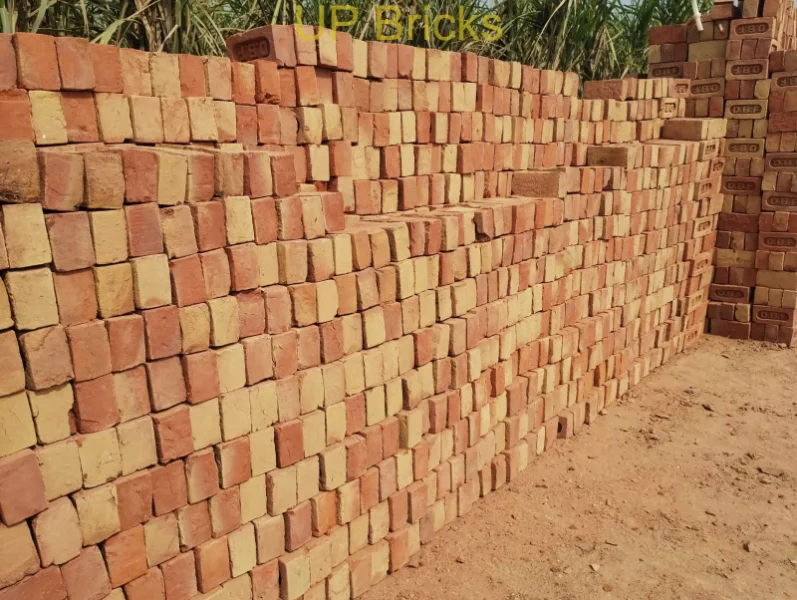
Even high-quality bricks can lose their effectiveness if they are stored improperly before construction begins. Bricks should be stacked on a clean, level surface and protected from excessive moisture, mud, and accidental damage.
Proper storage helps:
Related Articles:
The strength of every load bearing wall depends on a properly designed and well-constructed foundation. A weak foundation can lead to uneven settlement, wall movement, and structural cracks.
A strong foundation provides:
Many construction problems occur because basic masonry practices are ignored. Avoiding these common mistakes helps improve building quality and reduces future repair costs.
Related Guide:
Weather plays a significant role in masonry construction. Rain, extreme heat, and cold temperatures can influence mortar setting, curing, and the overall durability of load bearing walls. Planning construction according to seasonal conditions helps achieve stronger and longer-lasting masonry.
Related Articles:
Load Bearing Wall Construction is widely used in residential homes, villas, farmhouses, low-rise commercial buildings, schools, warehouses, and other masonry structures. When designed and constructed correctly, load bearing walls provide excellent structural stability, long service life, and cost-effective construction.
Independent houses and duplex homes commonly use load bearing walls because they offer excellent strength, efficient load distribution, and durable masonry performance for long-term residential use.
Many low-rise commercial buildings, retail shops, offices, warehouses, and educational institutions also benefit from properly constructed load bearing walls that provide dependable structural support.
The quality of bricks has a direct impact on the strength and durability of every load bearing wall. Well-burnt, properly shaped bricks improve bonding, reduce maintenance requirements, and increase the overall life of the structure.
Good quality bricks generally provide:
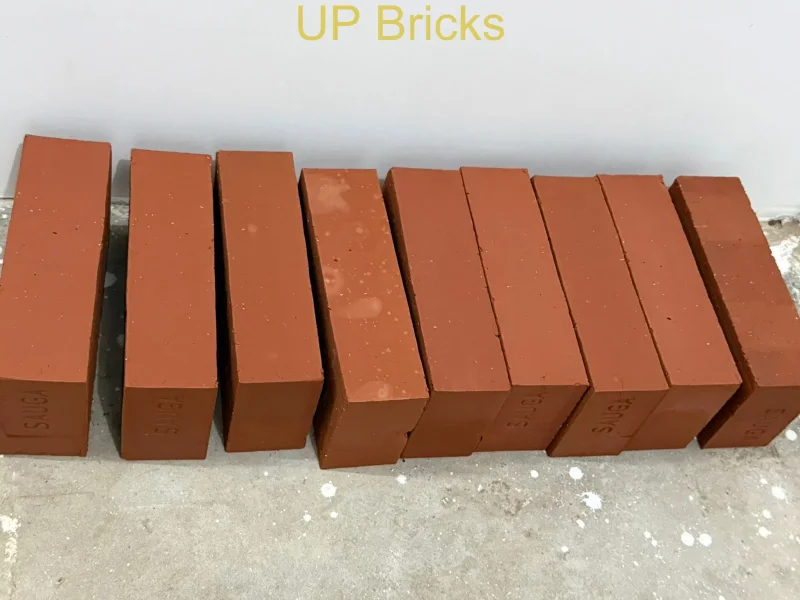
Many homeowners, contractors, builders, and developers choose UP Bricks for construction projects because of consistent product quality, reliable supply, and a wide range of brick categories suitable for different types of masonry work.
UP Bricks offers multiple construction products, including:
These products are suitable for residential, commercial, farmhouse, boundary wall, and Traditional & Modern construction projects.
Following good construction practices helps improve wall strength, durability, and overall building performance.
Looking for premium-quality bricks and construction materials? Contact UP Bricks for reliable products, competitive pricing, and dependable supply for residential and commercial construction projects.
Order Bricks on WhatsAppA load bearing wall is a structural wall that safely transfers the weight of the roof, floors, and other building components to the foundation.
Proper wall thickness helps distribute structural loads evenly, improves stability, and reduces the chances of cracks or structural failure.
Well-burnt, high-quality bricks with good strength, uniform dimensions, and low water absorption are generally preferred for load bearing wall construction.
Proper curing allows the mortar to gain strength gradually, improves bonding, and reduces the risk of shrinkage cracks.
Yes. Proper waterproofing protects walls from moisture, seepage, dampness, and salt deposits, helping improve durability and reduce maintenance.
Using quality bricks, the correct mortar mix, proper brick bonding, adequate curing, accurate wall alignment, and a strong foundation all contribute to stronger and longer-lasting load bearing walls.
Load Bearing Wall Construction is one of the most important aspects of strong and durable masonry buildings. Proper planning, quality bricks, correct wall thickness, strong mortar, accurate bonding, waterproofing, and proper curing all work together to improve structural stability and extend the life of a building.
Whether you are constructing a home, farmhouse, commercial building, warehouse, or boundary wall, following the right construction practices helps reduce maintenance costs, prevent structural issues, and ensure long-term safety. Choosing quality construction materials and working with experienced masonry professionals will always contribute to a stronger, more reliable, and longer-lasting structure.
81.webp)