How to Identify Low Quality Bricks Before Construction – Complete Guide
How to Identify Low Quality Bricks is an important question for homeowners, builders, contractors and engineers before starting construction. Bricks are a fundamental part of masonry, and their quality can affect wall strength, durability, finishing and maintenance costs.
Agar construction mein low quality bricks use hoti hain, toh wall cracks, seepage, uneven plaster, excessive breakage aur weak masonry jaise problems develop ho sakte hain. Isliye bulk brick purchase karne se pehle proper quality inspection zaroori hai.
In this guide, UP Bricks explains 10 practical ways to identify poor quality bricks, including brick colour inspection, sound testing, water absorption, hardness, dimensions and visible defects.
For additional testing methods, read our Brick Quality Testing Guide.
What Are Low Quality Bricks?
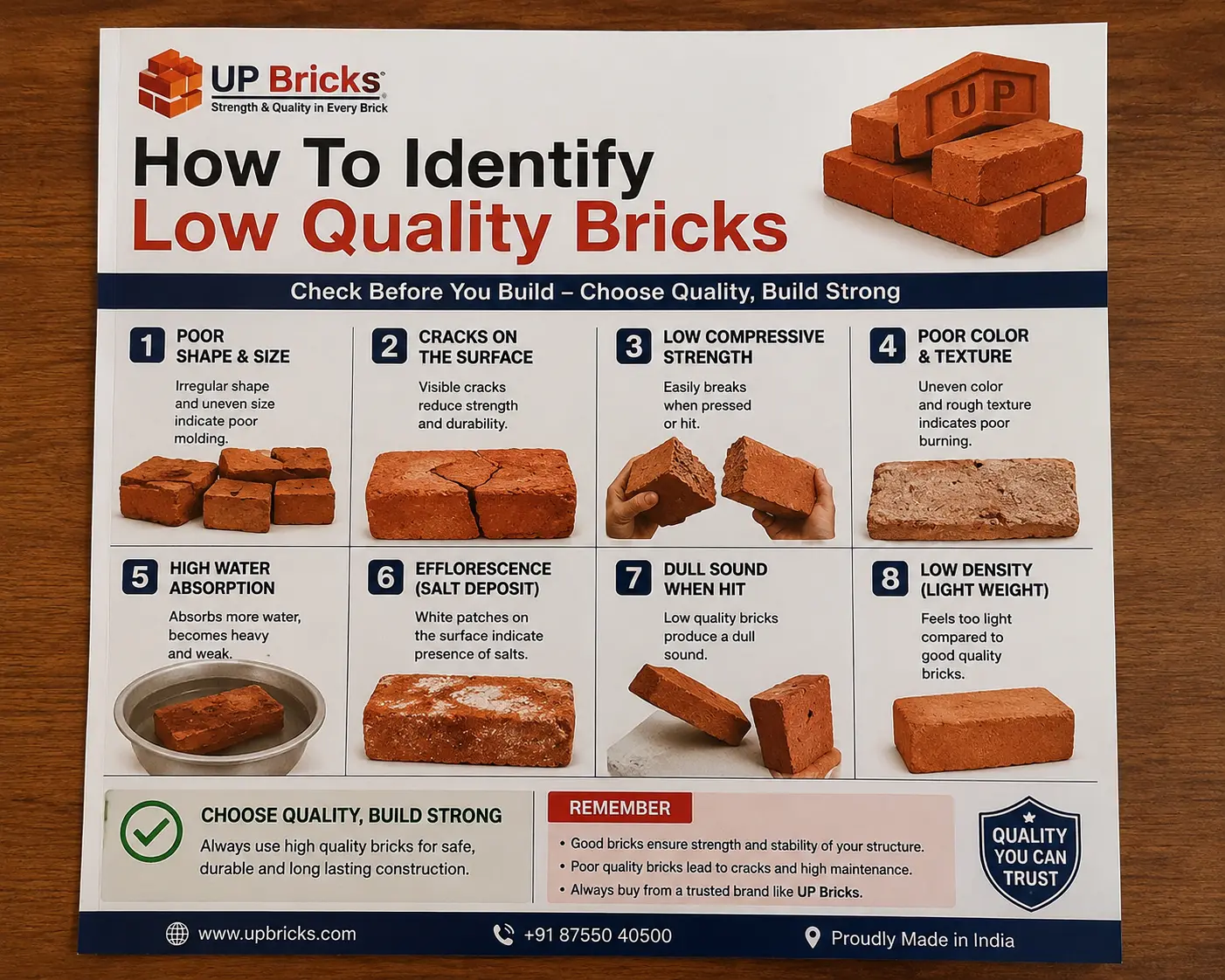
Low quality bricks are bricks that fail to meet the required material specifications for their intended construction application. Problems may arise from improper firing, weak raw materials, inconsistent manufacturing or physical damage.
Common characteristics include:
- Uneven shape and dimensions
- Deep surface cracks
- Soft or powdery texture
- Excessive water absorption
- Under-burnt or over-burnt appearance
- High breakage during handling
- Insufficient compressive strength
- Excessive salt deposits
However, appearance alone cannot establish brick quality. Physical inspection should be supported by appropriate testing and project specifications.
10 Easy Tests to Identify Low Quality Bricks
1. Check Brick Colour and Burning Quality
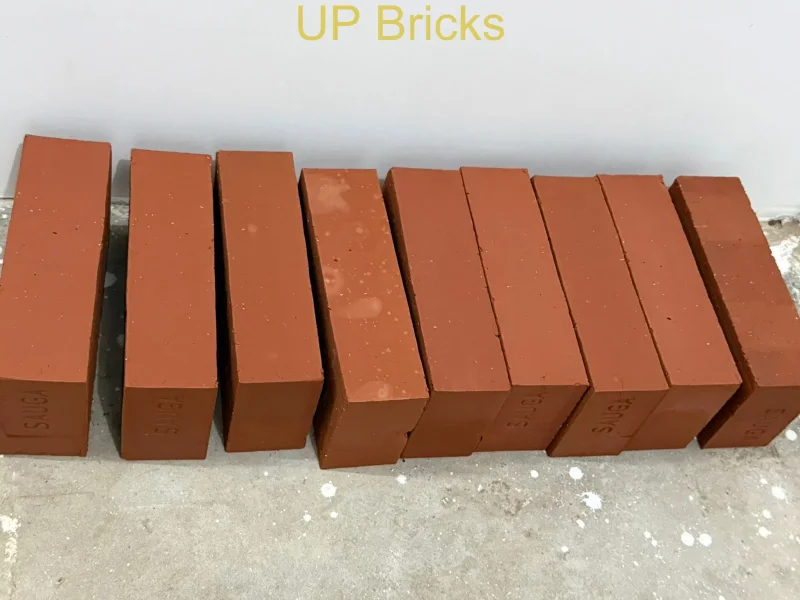
Colour inspection is one of the easiest preliminary methods to identify low quality bricks. For conventional fired red clay bricks, consistent firing generally produces a reasonably uniform appearance.
Possible warning signs:
- Unusually pale or under-burnt areas
- Dark or blackened internal cores
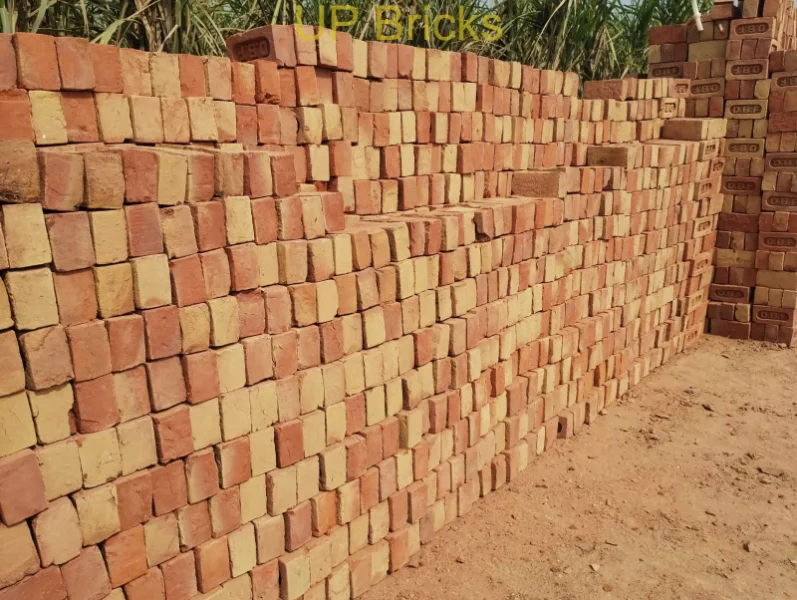
- Significant colour variation within one batch
- Visible firing defects
Remember that brick colour varies with clay composition and firing conditions. A red colour alone does not prove strength or compliance.
2. Inspect Brick Shape and Dimensions
Proper brick dimensions help masons maintain uniform mortar joints, straight walls and consistent alignment.
Low quality bricks may show irregular lengths, uneven thickness, twisted surfaces or damaged corners.
To check dimensions, select several bricks from the delivery and compare their length, width and height against the approved specifications.
Read our First Class Bricks vs Second Class Bricks comparison for more information.
3. Perform the Brick Sound Test
The sound test is a quick field screening method. Take two sample bricks and gently strike them together.
- Clear ringing sound: May indicate a relatively sound and compact brick.
- Dull sound: May suggest internal cracks, poor firing or other defects.
Sound testing is useful for preliminary inspection, but it cannot replace laboratory compressive strength testing.
4. Check Brick Water Absorption
Excessive water absorption can indicate high porosity and may contribute to moisture-related problems when combined with unsuitable construction practices.
Basic water absorption test:
- Prepare and dry the brick sample using the applicable test procedure.
- Measure its dry weight.
- Immerse it in clean water for 24 hours.
- Remove and wipe excess surface water.
- Measure its wet weight.
- Calculate the absorption percentage.
Formula: Water Absorption (%) = [(Wet Weight - Dry Weight) / Dry Weight] x 100
Example: If dry weight is 3 kg and wet weight is 3.45 kg, water absorption is 15%.
Acceptance limits depend on brick classification and the applicable standard. For common burnt clay building bricks, the relevant IS 1077 requirements should be checked rather than applying one limit to every brick type.
Read the detailed Brick Water Absorption Test Guide.
5. Examine Surface Cracks and Broken Corners
Visible damage is an important warning sign when identifying poor quality bricks.
Inspect samples for:
- Deep cracks across the brick
- Broken or chipped corners
- Loose surface particles
- Large cavities or visible defects
Small handling chips and major structural cracks should not be treated as equivalent defects. Reject or segregate damaged bricks according to the project's acceptance criteria.
6. Conduct a Basic Hardness Test
For a quick field check, gently scratch the brick surface with a hard metal object.
A dense, well-fired brick generally resists excessive scratching and powder formation. If the surface crumbles easily, further quality testing is advisable.
This is only an indicative test. It does not establish the brick's actual compressive strength.
7. Inspect Internal Brick Structure
Break a representative sample brick safely and observe the internal material.
Check for:
- Large internal cracks
- Significant voids
- Loose or poorly bonded particles
- Unusual unfired sections
- Problematic inclusions or lime nodules
A compact and reasonably uniform internal structure is generally preferable, although laboratory testing is necessary to verify performance.
8. Observe Brick Breakage During Delivery
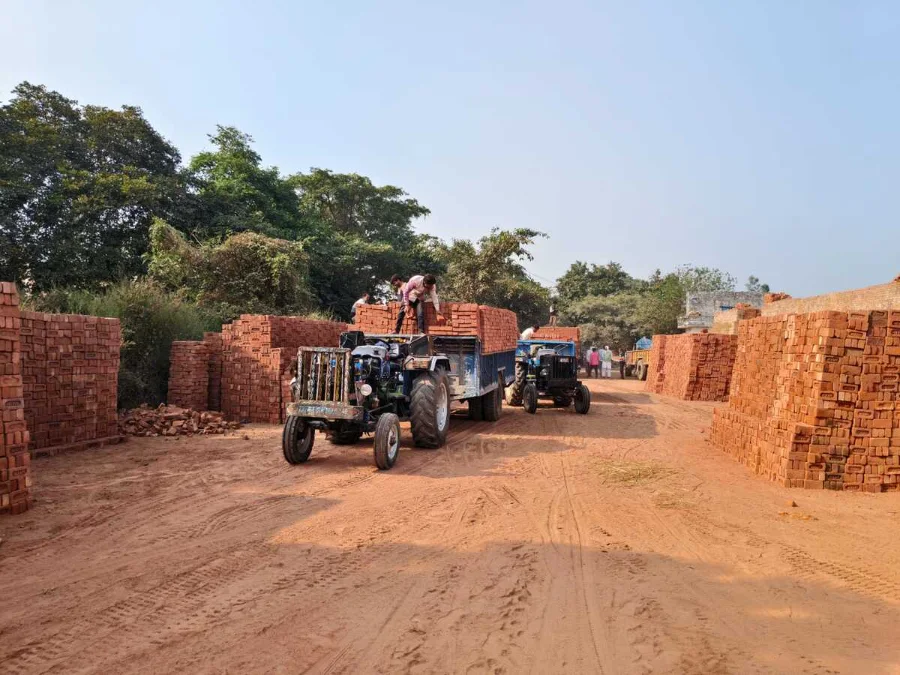
Excessive breakage during loading, transportation and unloading may indicate poor handling, packaging or brick quality.
Before accepting a large delivery, inspect representative samples from different parts of the truck.
Record the number of cracked, broken and visibly defective bricks. Discuss unacceptable damage with the supplier before the material is used.
9. Check for Efflorescence and Salt Deposits
Efflorescence appears as white salt deposits on the surface of bricks or masonry.
It occurs when water carries soluble salts to a surface and evaporates. The salts may originate from bricks, mortar, water or surrounding materials.
Heavy or recurring efflorescence deserves investigation, although white deposits alone do not necessarily prove that a brick is structurally weak.
For more information, read our Brick Efflorescence Solution Guide.
10. Verify Compressive Strength
Compressive strength is one of the most important measurable brick properties, particularly where masonry carries structural loads.
Ask the supplier for relevant test reports and confirm that the supplied brick class meets the project's structural specifications.
Where required, arrange laboratory testing of representative samples using the applicable Indian Standard testing procedures.
A simple drop test or hand inspection cannot certify compressive strength.
Good Quality Bricks vs Low Quality Bricks
| Quality Factor | Good Quality Bricks | Possible Low Quality Signs |
|---|---|---|
| Dimensions | Consistent and within tolerance | Irregular sizes and shapes |
| Surface | Sound and compact | Deep cracks or crumbling |
| Sound | Often clear when struck | May produce a dull sound |
| Water Absorption | Within specified limits | Exceeds applicable limits |
| Strength | Meets required strength class | Fails specified strength test |
| Dimensions and Edges | Suitable for uniform masonry | Distorted or badly damaged |
| Salt Deposits | Within permitted limits | Excessive efflorescence |
Why Low Quality Bricks Can Increase Construction Costs
Low quality bricks may appear economical initially, but defects can increase the overall cost of construction.
Higher Mortar Consumption
Irregular brick dimensions can require additional mortar to maintain wall alignment.
More Plaster Correction
Uneven masonry may require extra plaster thickness and finishing labour.
Material Wastage
Frequent breakage can increase replacement requirements and handling costs.
Maintenance and Repairs
Defective bricks, unsuitable moisture protection and poor workmanship can contribute to cracking, dampness and repairs.
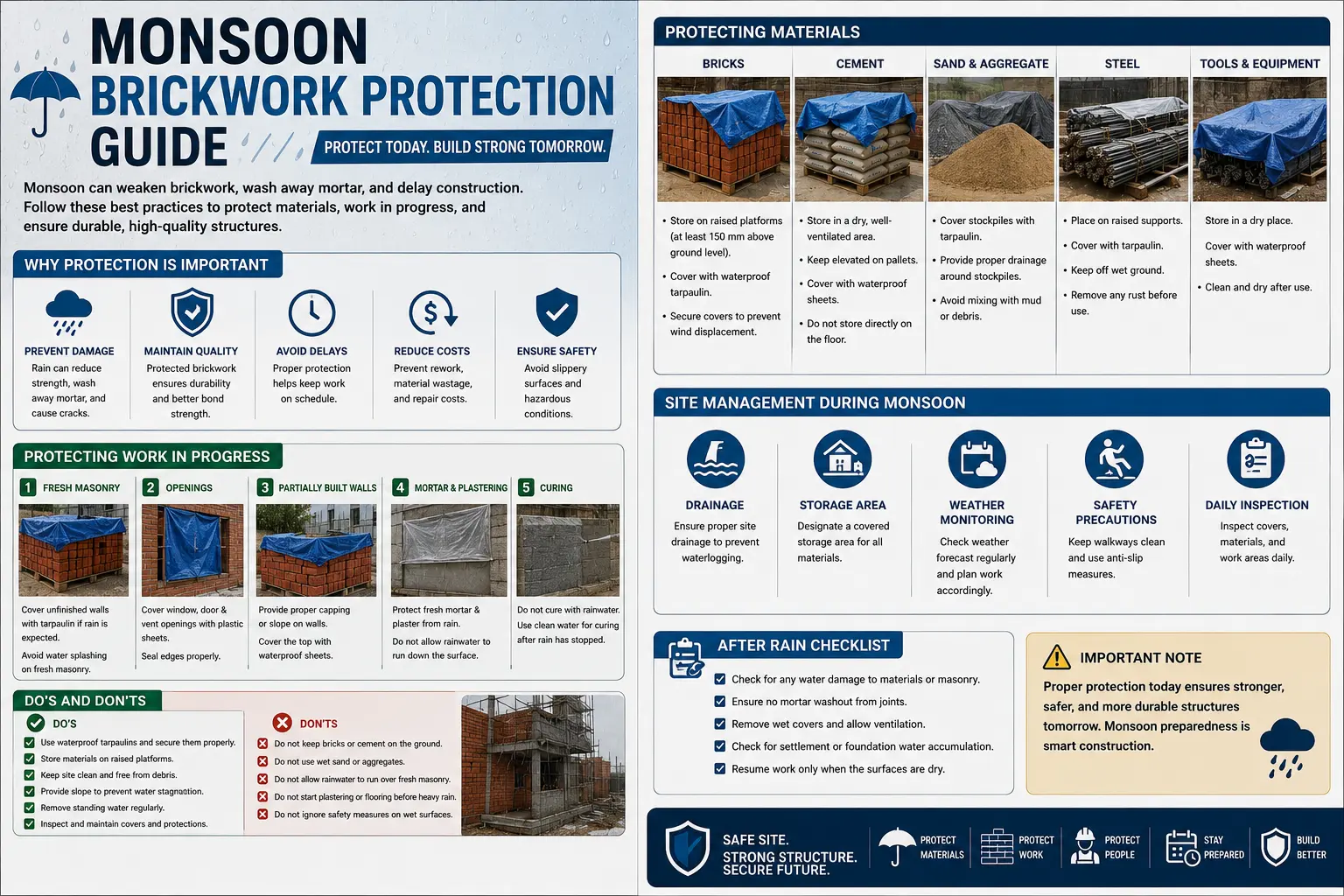
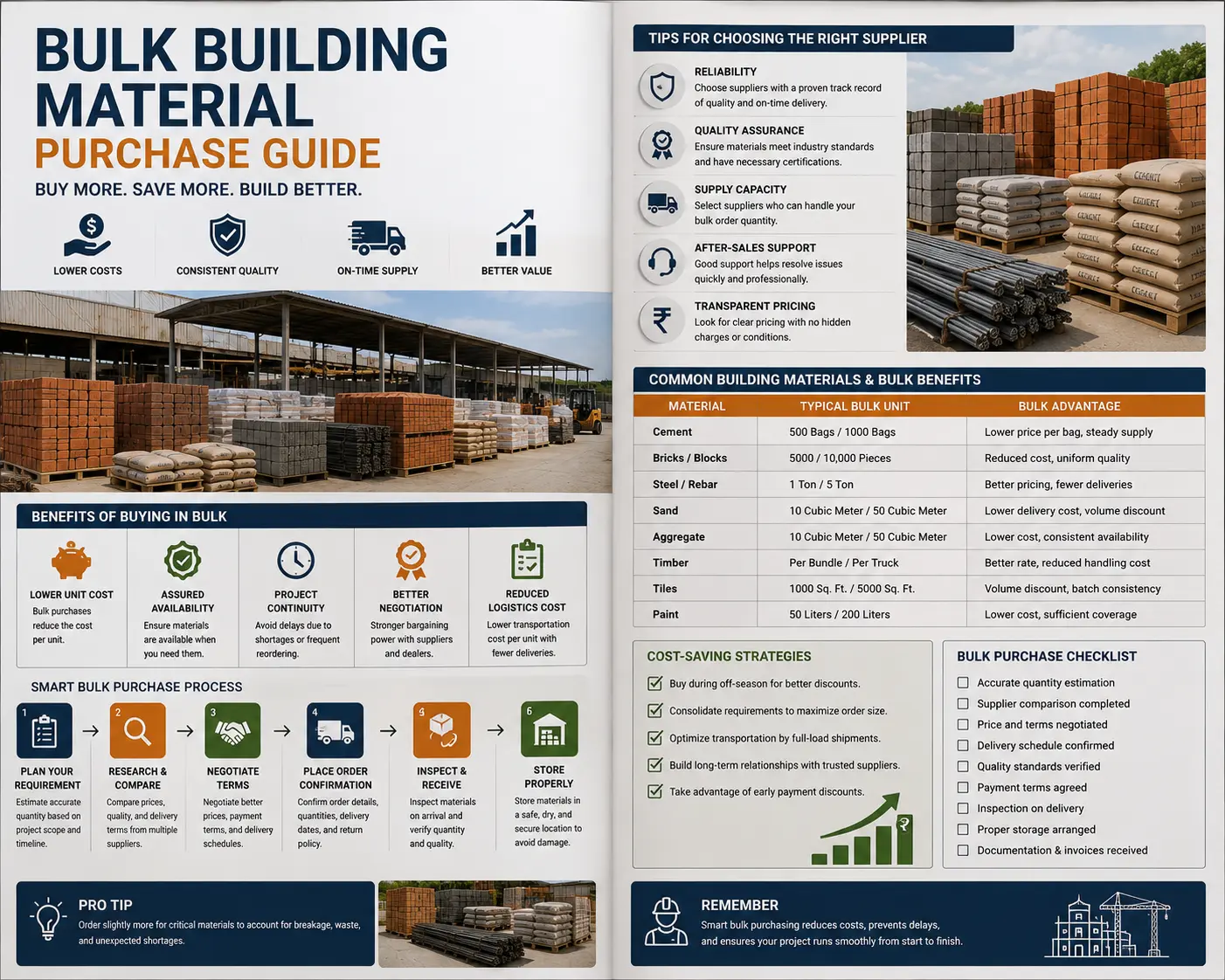
For bulk material purchasing considerations, read our Bulk Building Material Purchase Guide.
Under-Burnt vs Over-Burnt Bricks
Under-Burnt Bricks
Under-burnt bricks have not received adequate firing. They may exhibit insufficient hardness, higher absorption and reduced durability.
Over-Burnt Bricks
Excessive firing may cause distortion, vitrification or irregular dimensions. Some over-burnt bricks may be hard, but unsuitable shapes can make them inappropriate for regular masonry.
Correct firing and verified material performance are more important than colour alone.
How to Check Brick Quality Before Bulk Purchase
Before placing a large construction brick order, follow these practical inspection steps:
- Confirm the brick type, class and project specifications.
- Inspect representative samples from the proposed supply.
- Check dimensions, cracks and surface condition.
- Carry out preliminary sound and hardness checks.
- Request water absorption and compressive strength test results.
- Clarify the supplier's breakage and rejection policy.
- Recheck material quality when each new batch arrives.
Our How to Choose a Brick Supplier guide explains additional purchasing considerations.
Choosing Bricks for Different Construction Applications
Residential Home Construction
For residential construction, select bricks that satisfy the approved design, masonry specifications and applicable quality standards.
Load-Bearing Walls
Load-bearing masonry requires particular attention to compressive strength, mortar specification and structural design. Always follow the structural engineer's requirements.
Read our Load Bearing Wall Brick Selection Guide.
Boundary Walls
Boundary walls require suitable brick durability, proper foundations and protection against prolonged moisture exposure.
Exposed Brickwork
For exposed brick walls, colour consistency, dimensional accuracy, surface appearance and workmanship are especially important.
Why Choose UP Bricks for Construction Brick Requirements?
UP Bricks offers different categories of construction bricks for residential and commercial masonry requirements.
Product categories may include:
- No.1 (Abbal) Bricks
- Lal Peti Bricks
- Naram Abbal Bricks
- Peela Bricks
- Chat Bricks
The appropriate category should be selected according to the intended application, required quality class, specifications and availability.
Before ordering, buyers should confirm dimensions, testing requirements, delivery terms and suitability for their project.
For Delhi NCR home construction requirements, explore our Best Bricks for Home Construction in Delhi NCR guide.
Frequently Asked Questions About Low Quality Bricks
1. How to identify low quality bricks at a construction site?
Check brick dimensions, visible cracks, surface hardness, sound, water absorption and test reports. A combination of field inspection and appropriate laboratory tests gives better confidence than appearance alone.
2. What are the main signs of poor quality bricks?
Common warning signs include deep cracks, inconsistent dimensions, crumbling surfaces, excessive water absorption, significant breakage and failure to meet specified strength requirements.
3. Does a ringing sound mean a brick is good quality?
A ringing sound may indicate a sound, compact brick, but it is not proof of compliance. Strength and absorption should be verified separately.
4. How much water should a good brick absorb?
The permitted absorption depends on the brick type, class and applicable standard. For burnt clay building bricks, consult the relevant IS 1077 requirements and project specifications.
5. Can low quality bricks cause wall cracks?
Yes, defective bricks can contribute to masonry problems. However, cracks may also result from foundation movement, structural loads, mortar quality, thermal movement or workmanship.
6. Can cracked bricks be used for construction?
Bricks with significant cracks should not be used where they fail the applicable acceptance criteria. Consult the site engineer before using damaged units.
7. Is brick colour enough to identify quality?
No. Colour is only a preliminary indicator. Proper quality assessment also requires dimensional checks, strength verification and other relevant tests.
8. Should every delivery batch be inspected?
Yes. Representative inspection of each batch helps identify changes in quality, damage during transport and inconsistencies between deliveries.
Conclusion: How to Identify Low Quality Bricks
Understanding How to Identify Low Quality Bricks helps homeowners, builders and contractors make better construction material decisions.
Visual inspection, dimensional checking, sound testing, water absorption testing and compressive strength verification can help identify unsuitable bricks before they become part of permanent masonry.
For reliable construction, always choose bricks that meet the approved project specifications and applicable quality standards.
Buy Construction Bricks from UP Bricks
Looking for construction bricks for your home, commercial building or bulk project? Contact UP Bricks to discuss brick categories, specifications, availability and delivery requirements.
Get in touch for brick supply enquiries and quotations.
Enquire About Bricks on WhatsApp
Visit UP Bricks for more construction brick information.
81.webp)