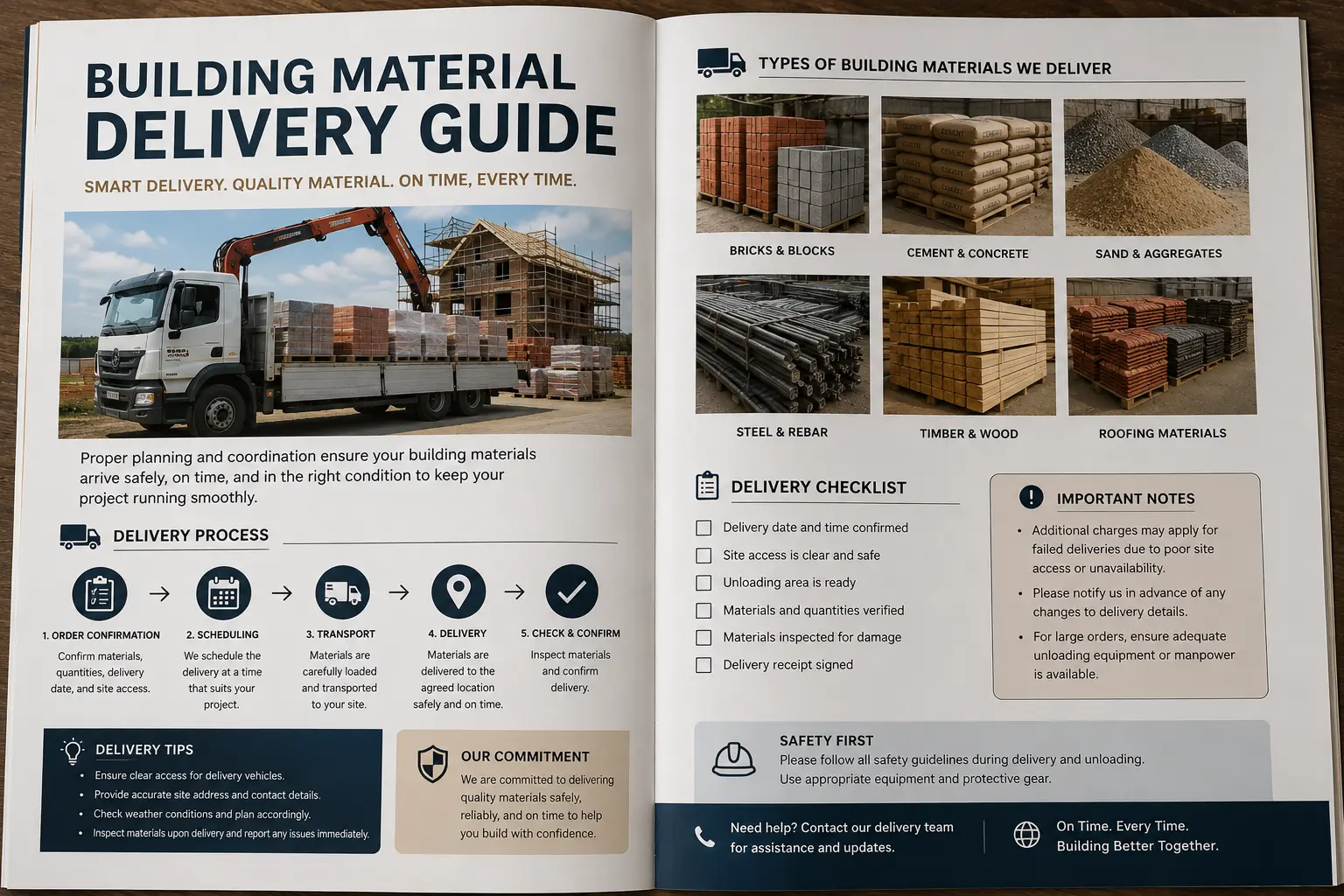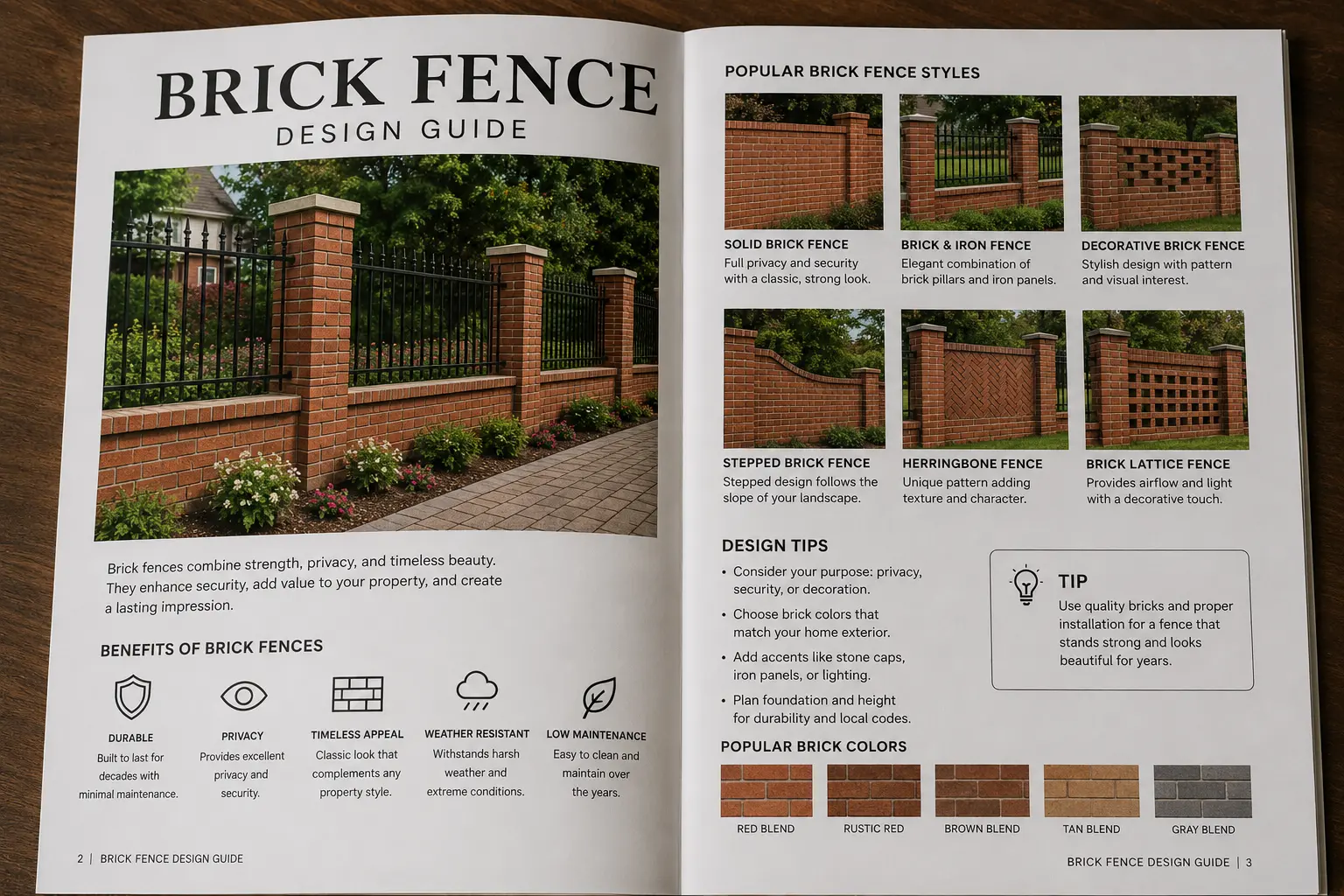
Choosing between clay bricks and concrete bricks is one of the most common decisions in construction planning. Both materials are widely used in residential, commercial, and industrial construction, but they differ significantly in strength, durability, thermal performance, aesthetics, and long-term value.
Understanding the difference between clay bricks and concrete bricks helps homeowners, contractors, architects, and developers choose the right material based on project requirements, climate conditions, structural needs, and budget.
This guide compares clay bricks vs concrete bricks in detail to help you make the right construction decision.
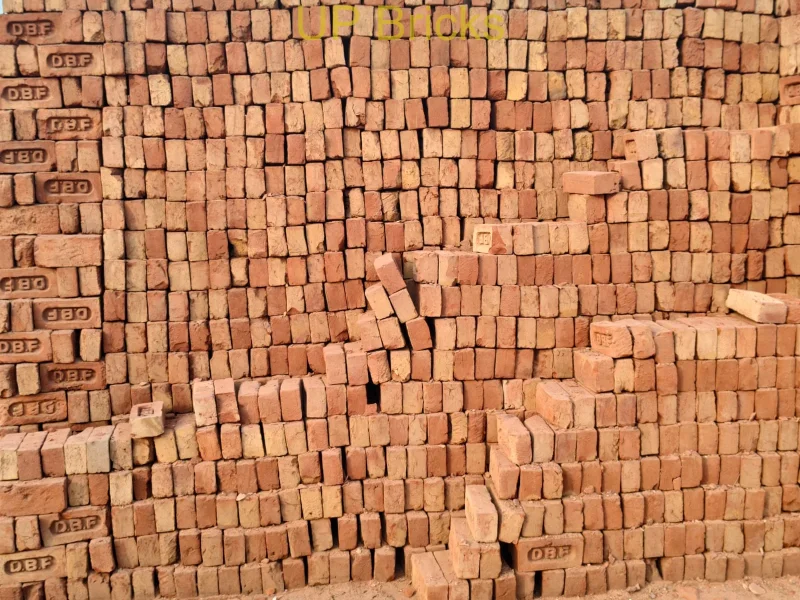
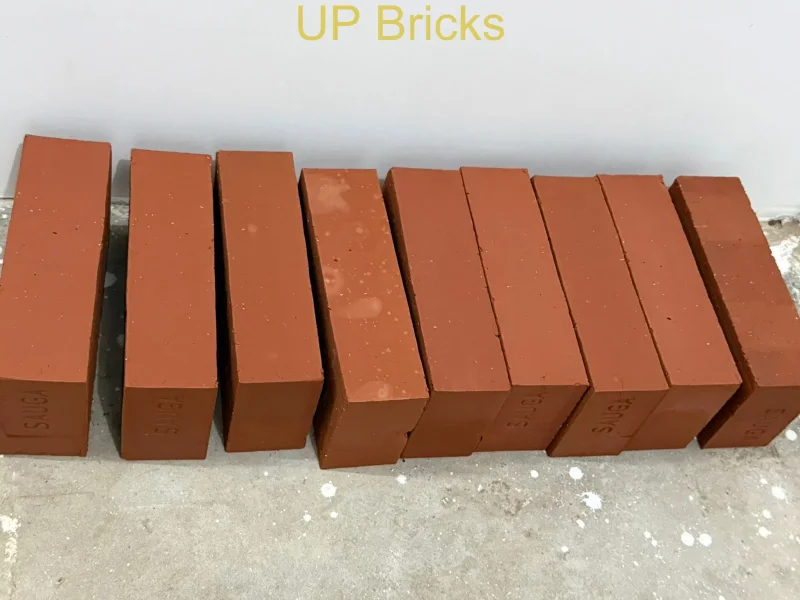
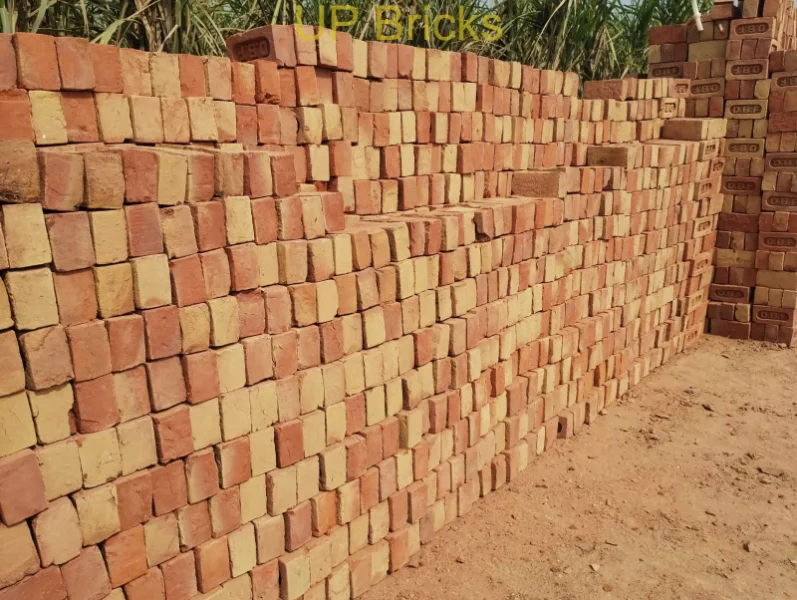
Clay Bricks are traditional masonry units made from natural clay that is molded and kiln-fired at high temperatures. They have been used for centuries due to their durability, strength, and natural appearance.
Common uses include:
Concrete Bricks are manufactured using cement, sand, aggregates, and water. They are machine-pressed into molds and cured rather than fired.
Common uses include:
High-quality clay bricks offer strong compressive strength and excellent long-term durability.
Concrete bricks can also provide good compressive strength depending on manufacturing quality.
Winner: Depends on grade, but premium clay bricks often perform better long term.
Winner: Clay Bricks
Excellent natural thermal insulation.
Generally retain and transfer more heat.
Winner: Clay Bricks
Controlled absorption when premium quality.
Can vary significantly by manufacturing quality.
Winner: Depends on product quality.
Natural earthy tones and premium traditional aesthetics.
More industrial / plain appearance.
Winner: Clay Bricks
Require minimal maintenance.
May require more upkeep if exposed.
Usually slightly higher for premium grades.
Often cheaper initially.
Winner: Concrete Bricks (short-term budget)
| Feature | Clay Bricks | Concrete Bricks |
|---|---|---|
| Strength | High | Moderate to High |
| Durability | Excellent | Good |
| Thermal Insulation | Better | Moderate |
| Appearance | Premium Natural | Basic Industrial |
| Longevity | Very Long | Moderate |
| Maintenance | Low | Moderate |
| Initial Cost | Moderate | Lower |
Both clay bricks and concrete bricks have their place in construction, but for most premium residential, farmhouse, and long-term projects, clay bricks remain the preferred choice due to their superior thermal insulation, durability, traditional aesthetics, and long-term performance.
Concrete bricks can be a practical option for budget-focused or utility construction, but product quality plays a major role in performance.
Choosing the right brick should always depend on your project’s design goals, structural requirements, climate, and budget.
Both can be strong, but premium clay bricks often offer better long-term performance.
For many residential projects, yes.
Clay bricks generally last longer.
Concrete bricks are often cheaper initially.
Clay bricks.
Generally yes if properly installed.
Not fully; depends on quality.
Clay bricks.
Depends on manufacturing, but clay is natural.
Often yes.
Yes.
Clay bricks.
Clay bricks.
Usually slightly.
Clay bricks.
Yes.
Clay bricks.
Both if properly made.
Yes, if good quality.
Clay bricks for premium and long-term construction.

81.webp)