Loading...
Brick Water Absorption Test
20-Jun-2026 By Up Bricks

Brick Water Absorption Test

Brick Water Absorption Test – Complete Guide For Brick Quality Checking In Construction

Bricks play one of the most important roles in house construction, commercial buildings, boundary walls, industrial projects, and Traditional & Modern architectural structures. Before using any brick in construction, checking its water absorption capacity is extremely important because excessive water absorption directly affects wall strength, plaster durability, seepage resistance, and overall building life.

A proper Brick Water Absorption Test helps contractors, engineers, builders, and homeowners identify whether bricks are suitable for long-lasting construction or not. Low-quality bricks generally absorb excessive water, which can lead to dampness, cracks, salt deposits, weak bonding, and plaster failures after construction.

In this detailed guide, we will understand:

  • What is brick water absorption
  • Why this test is important
  • Standard water absorption limits
  • Site testing methods
  • Effects of high water absorption
  • Best brick selection tips
  • Common mistakes during testing
  • Brick quality recommendations for Indian climate conditions

For Top quality construction bricks and building materials, many contractors and builders prefer UP Bricks for reliable supply across multiple regions in India.


What Is Brick Water Absorption Test

Brick Water Absorption Test is a quality testing method used to measure how much water a brick absorbs after being immersed in water for a fixed duration.

The test helps determine:

  • Brick density
  • Porosity level
  • Durability
  • Moisture resistance
  • Structural suitability

If a brick absorbs too much water, it generally indicates:

  • Poor burning quality
  • Excessive pores
  • Weak structure
  • Lower durability

Good quality bricks absorb controlled amounts of water while maintaining strength and stability.


Why Brick Water Absorption Test Is Important

This test is important because water absorption directly affects building performance over time.

Major Benefits Of Water Absorption Testing

Better Wall Strength

Low absorption bricks maintain stronger mortar bonding and improve wall durability.

Reduced Dampness Problems

Bricks with controlled water absorption reduce seepage and moisture penetration.

Improved Plaster Life

Excessively porous bricks absorb moisture from plaster, causing cracks and weak adhesion.

Better Weather Resistance

Properly tested bricks perform better during:

  • Monsoon
  • Humid climate
  • Cold weather
  • Hot summer conditions

Longer Building Life

High-quality bricks reduce future repair and maintenance costs.

You can also read:


Standard Water Absorption Limit For Bricks

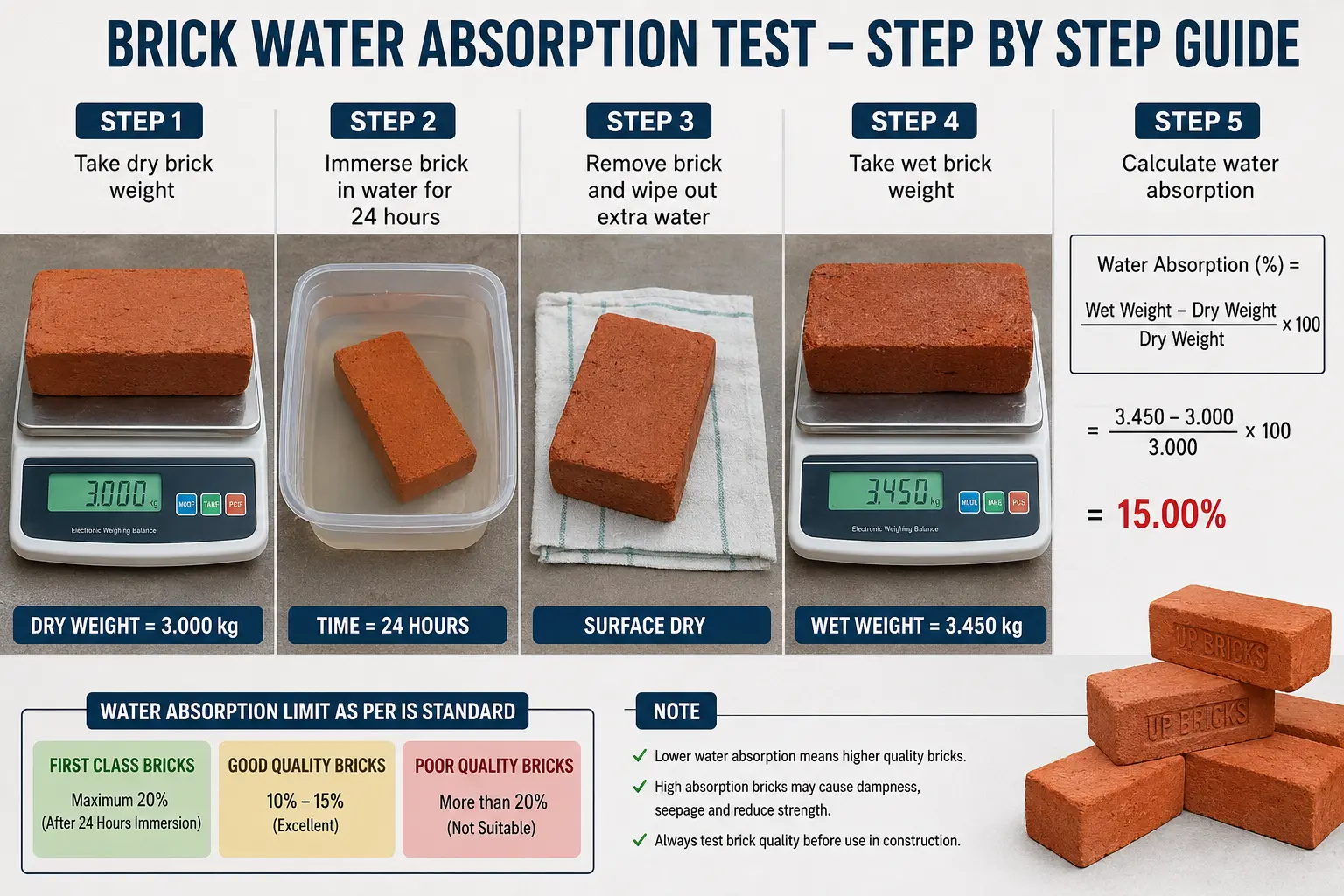
According to common Indian construction practices and IS standards:

First Class Bricks

Water absorption should generally not exceed 20% of dry weight after 24 hours immersion.

High Quality Premium Bricks

Premium machine-made or properly kiln-burnt clay bricks often show:

  • 10% to 15% absorption

Poor Quality Bricks

Low-quality bricks may absorb:

  • 25% to 35% water
    which is unsuitable for durable construction.

Materials Required For Brick Water Absorption Test

The test can easily be performed at construction sites using simple materials.

Required Items

  • Dry brick sample
  • Water tank or bucket
  • Weighing machine
  • Cloth for cleaning surface water
  • Timer or clock

Step By Step Brick Water Absorption Test Procedure

Step 1 – Take Dry Brick Weight

Take a completely dry brick and measure its weight.

Suppose:
Dry Weight = 3 kg


Step 2 – Immerse Brick In Water

Place the brick fully inside clean water for 24 hours.

Ensure:

  • Complete immersion
  • Normal room temperature
  • No partial exposure

Step 3 – Remove And Clean Surface Water

After 24 hours:

  • Remove brick
  • Wipe extra surface water using cloth
  • Do not dry internally absorbed water

Step 4 – Measure Wet Weight

Now measure wet brick weight.

Suppose:
Wet Weight = 3.45 kg


Step 5 – Calculate Water Absorption

Use formula:

Water Absorption %=Wet WeightDry WeightDry Weight×100\text{Water Absorption \%} = \frac{\text{Wet Weight} - \text{Dry Weight}}{\text{Dry Weight}} \times 100

Example:

3.4533×100=15%\frac{3.45-3}{3}\times100=15\%

Result:
15% absorption indicates good quality brick.


How To Identify Good Quality Bricks From Water Absorption

Good Quality Brick Characteristics

  • Low water absorption
  • Sharp edges
  • Uniform shape
  • Metallic ringing sound
  • Proper red color
  • Dense structure

Poor Quality Brick Characteristics

  • Excessive water absorption
  • Cracks
  • Powder formation
  • Uneven burning
  • Soft texture
  • Salt deposits

Related reading:


Effects Of High Water Absorption In Bricks

High water absorption can create multiple construction problems.

Damp Walls

Water enters wall pores and causes moisture problems.

Weak Mortar Bonding

Over-absorbing bricks pull water from mortar rapidly.

Plaster Cracks

Dry mortar loses proper hydration.

Salt Deposits

White patches appear on wall surfaces.

Reduced Structural Life

Continuous moisture weakens construction gradually.

Read more:


Best Bricks With Low Water Absorption

Red Clay Bricks

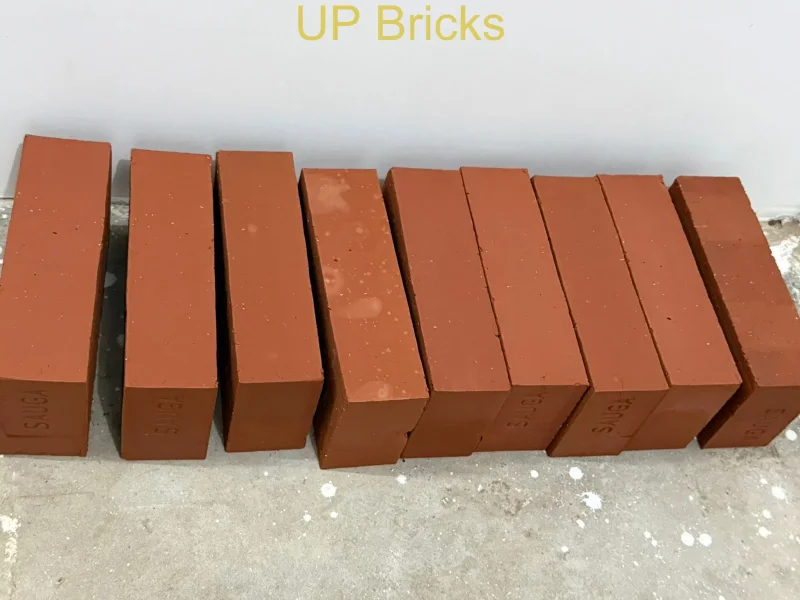
Proper kiln-burnt red clay bricks offer balanced absorption and excellent durability.

Explore:

DBF Bricks

Dense body finish bricks generally show lower absorption and better finish quality.

Explore:

Fly Ash Bricks

Fly ash bricks usually absorb less water due to dense manufacturing.

Read:


Water Absorption Test For Different Construction Projects

Residential Homes

Controlled absorption improves:

  • Wall life
  • Interior finish
  • Paint durability

Boundary Walls

Lower absorption helps reduce:

  • Seepage
  • Cracks
  • Moisture stains

Useful guides:

Commercial Buildings

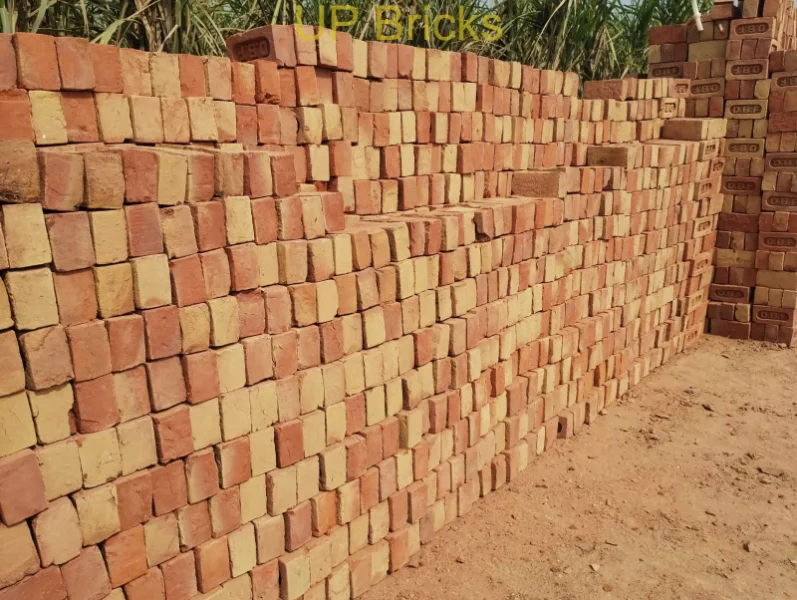
Large-scale projects require consistent brick quality for durability and maintenance control.

Read:


Common Mistakes During Water Absorption Testing

Using Wet Brick Initially

Always use fully dry bricks before testing.

Improper Weighing

Incorrect measurements lead to wrong results.

Short Immersion Time

24-hour immersion is important for accurate testing.

Surface Water Not Removed

Extra water on surface affects wet weight.

Using Dirty Water

Contaminated water can affect results.


How Weather Affects Brick Water Absorption

Climate conditions significantly impact brick performance.

Rainy Areas

Low absorption bricks are preferred.

Hot Regions

Balanced absorption prevents rapid mortar drying.

Cold Areas

Dense bricks perform better against freeze-thaw conditions.

Related articles:


Brick Water Absorption And Efflorescence Connection

Bricks with high absorption often absorb dissolved salts.

After evaporation:

  • White salt deposits appear
  • Wall appearance gets damaged
  • Paint quality reduces

Read:


Professional Tips For Selecting Better Bricks

Check Multiple Samples

Never test only one brick.

Prefer Kiln Burnt Uniform Bricks

Consistent firing improves density.

Avoid Over-Burnt Bricks

Overheated bricks may become brittle.

Buy From Reliable Suppliers

Trusted suppliers maintain quality consistency.

Explore:


Why Builders Prefer UP Bricks

Many builders, contractors, architects, and homeowners choose UP Bricks because of:

  • Consistent brick quality
  • Better strength
  • Controlled water absorption
  • Wide product availability
  • Reliable bulk supply
  • Delivery support
  • Multiple brick categories

Available products include:

  • Red Clay Bricks
  • Fly Ash Bricks
  • DBF Bricks
  • MBF Bricks
  • Gagan Bricks
  • Exposed Bricks
  • Aggregates
  • Sand
  • Construction materials

Explore more:


Final Conclusion

Brick Water Absorption Test is one of the simplest yet most important quality checks in construction projects. It directly affects wall strength, durability, waterproofing performance, plaster life, and long-term building maintenance.

Using low water absorption and properly tested bricks helps:

  • Improve construction quality
  • Reduce repair costs
  • Prevent seepage
  • Increase structural life
  • Maintain better finish quality

Before purchasing bricks for any residential, commercial, industrial, or boundary wall project, always perform a proper water absorption test and choose reliable brick suppliers for long-lasting construction performance.


WhatsApp For Brick Supply & Construction Materials


Inquiry Form
Recent Blogs