Best Bricks For Seismic Zones – Earthquake Resistant Brick Selection Guide For Safe Construction
Earthquake-resistant construction has become extremely important in many parts of India because seismic activity can seriously affect building safety, wall stability, and structural durability. Whether it is a residential home, villa, apartment, boundary wall, commercial building, warehouse, or Traditional & Modern architectural structure, selecting the right bricks for seismic zones plays a major role in reducing structural damage during earthquakes.
Many wall failures during earthquakes happen because of:
-
low-quality bricks
-
weak mortar bonding
-
improper masonry work
-
excessive wall weight
-
poor curing
-
weak foundation planning
This complete guide explains:
-
best bricks for seismic zones
-
earthquake resistant brick selection
-
wall strength requirements
-
masonry safety tips
-
lightweight vs heavy bricks
-
moisture resistance importance
-
structural stability factors
-
construction mistakes to avoid
-
best brickwork practices for seismic safety
For durable and quality-tested construction materials, many builders and contractors prefer UP Bricks for residential and commercial projects across multiple regions.
Why Brick Selection Matters In Seismic Zones
During an earthquake, buildings experience:
-
horizontal movement
-
vibration
-
wall stress
-
structural displacement
Weak bricks and poor masonry increase:
-
wall cracking
-
joint failure
-
collapse risk
-
moisture penetration
-
repair costs
Proper brick selection improves:
-
wall flexibility
-
bonding strength
-
structural durability
-
crack resistance
Characteristics Of Good Bricks For Earthquake Resistant Construction
High Compressive Strength
Bricks should withstand structural pressure without cracking.
Read:
-
Bricks Ki Compression Strength Kya Hoti Hai
-
Brick Strength Test Site Par Kaise Kare
Low Water Absorption
Low absorption bricks reduce:
-
moisture damage
-
mortar weakening
-
wall deterioration
Read:
-
Brick Water Absorption Test
-
Water Resistant Brick Walls Kaise Banaye
Uniform Shape And Size
Uniform bricks improve:
-
wall alignment
-
joint strength
-
load distribution
Read:
-
Brick Shape Aur Size Construction Speed Ko Kaise Prabhavit Karte Hain
-
Brickwork Mein Proper Line Level Kaise Maintain Kare
Strong Mortar Bonding
Good bricks should create strong bonding with mortar to resist movement during earthquakes.
Read:
-
Best Mortar Ratio For Brickwork
-
Cement Sand Ratio For Brick Wall
Best Types Of Bricks For Seismic Zones
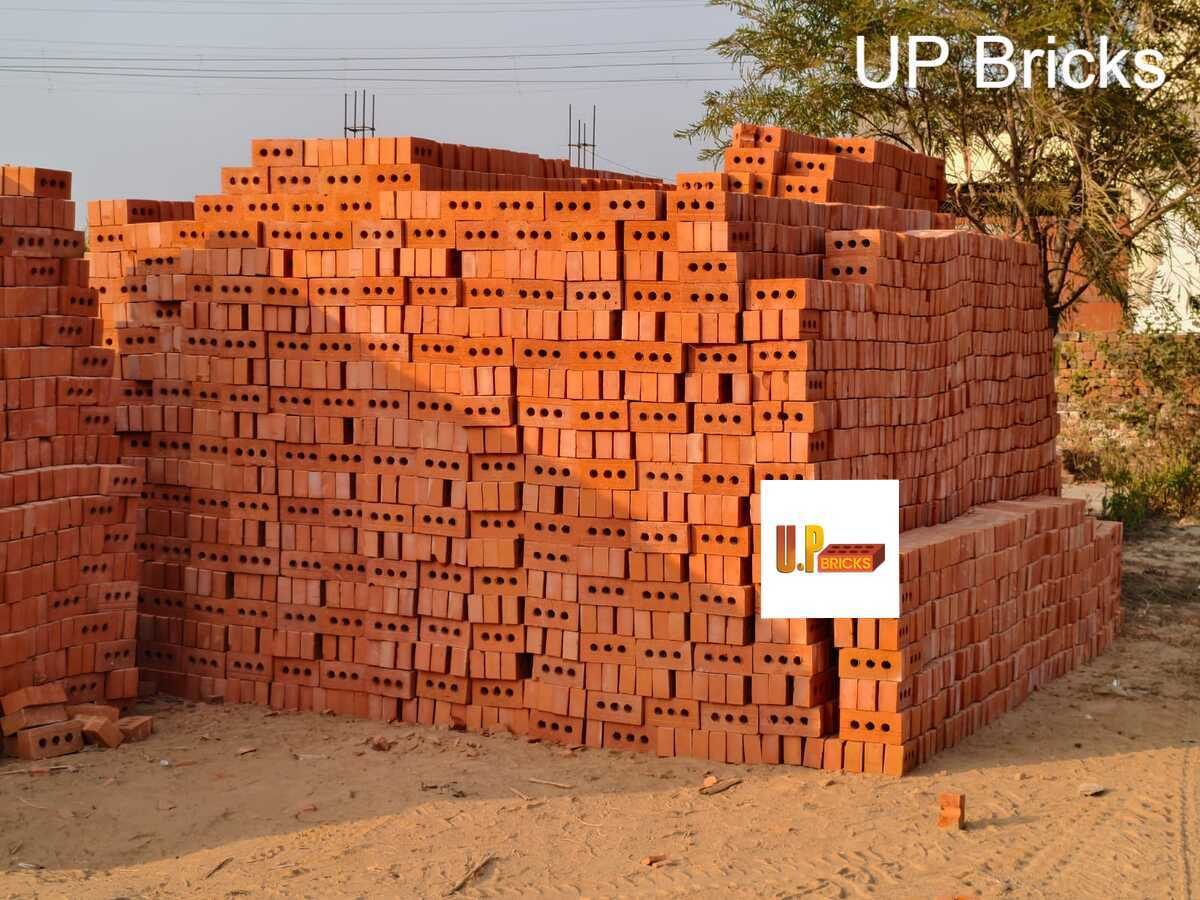
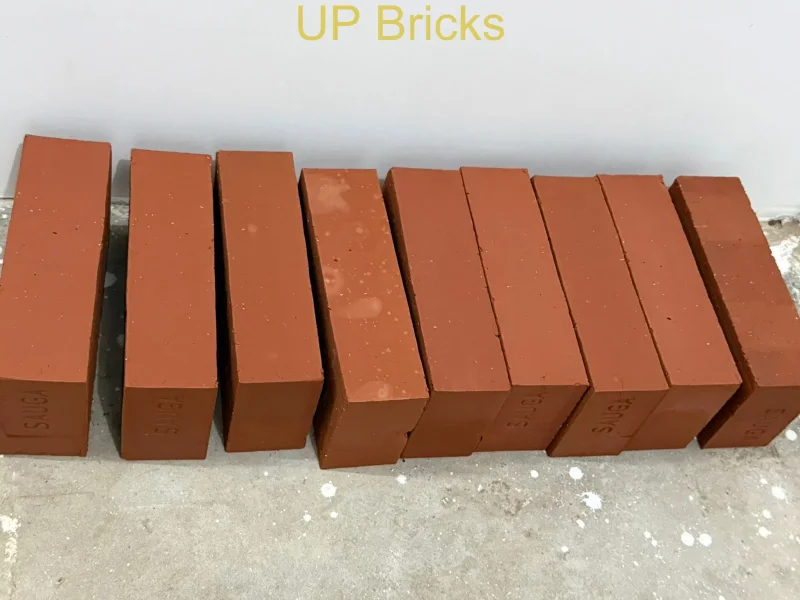
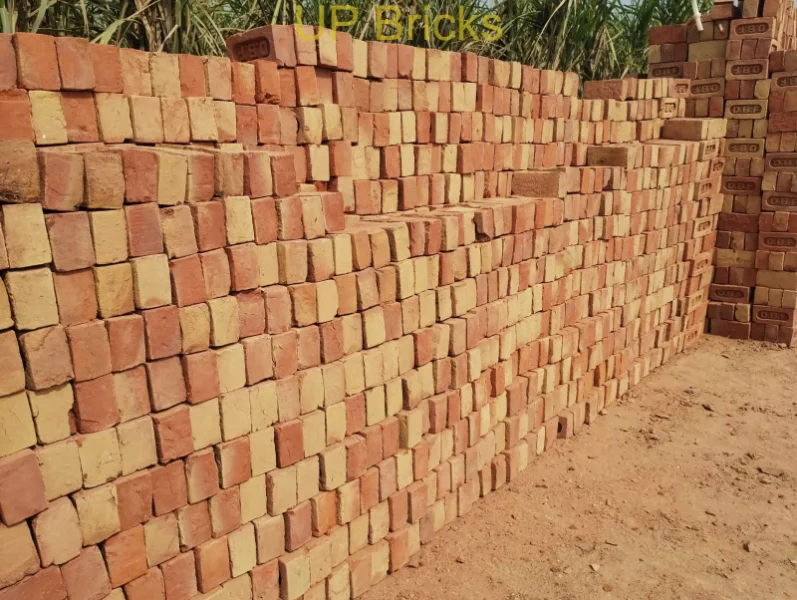
Premium Red Clay Bricks
High-quality kiln-burnt red clay bricks are commonly preferred because they offer:
-
better strength
-
durable structure
-
improved bonding
-
balanced density
Explore:
Fly Ash Bricks
Fly ash bricks are popular in some seismic constructions because they provide:
-
dimensional accuracy
-
lighter weight
-
lower water absorption
-
uniform finish
Read:
DBF Bricks
DBF bricks are preferred in many premium projects because of:
-
dense body structure
-
strong finishing
-
lower moisture penetration
Explore:
Importance Of Lightweight Construction In Seismic Areas
Heavy structures experience:
-
higher seismic load
-
greater inertia
-
stronger shaking forces
Balanced lightweight masonry can improve earthquake resistance.
This is why:
-
proper wall thickness
-
lighter masonry systems
-
controlled load distribution
are important in seismic design.
Read:
-
Brick Wall Thickness Ka Ghar Ki Majbooti Par Asar
-
Load Bearing Wall Construction Guide
Best Mortar Ratio For Earthquake Resistant Brickwork
Strong mortar bonding is critical.
Common mortar ratios:
depending on structural requirements.
Read:
-
Brickwork Mein Cement Mortar Ratio Ka Mahatva
-
Brick Joint Thickness Guide
Importance Of Proper Brick Curing In Seismic Zones
Weak curing reduces masonry strength significantly.
Proper curing improves:
-
mortar hydration
-
crack resistance
-
bonding strength
-
wall stability
Read:
-
Brick Curing Time Guide
-
Brickwork Curing Method Guide
Common Construction Mistakes In Seismic Areas
Poor Quality Bricks
Weak bricks fail quickly under stress.
Weak Mortar
Low cement mortar reduces wall integrity.
Uneven Wall Alignment
Improper alignment creates stress concentration points.
Poor Foundation Planning
Weak foundations increase earthquake damage risk.
Excessive Moisture Exposure
Moisture weakens masonry bonding over time.
Read:
-
Brick Construction Mein Common Site Mistakes
-
Brickwork Quality Control Guide
-
Site Preparation Before Construction
Importance Of Flexible Structural Design
Earthquake-resistant construction depends on:
-
RCC frame quality
-
structural reinforcement
-
masonry integration
-
expansion joints
-
load transfer systems
Bricks should complement the overall structural system.
Read:
-
Brick Masonry Aur RCC Structure Saath Mein Kaise Kaam Karte Hain
-
Brick Masonry Mein Expansion Joints Kyon Zaruri Hote Hain
Best Brickwork Practices For Seismic Zones
Use Proper Brick Bonds
Strong bonding patterns improve wall strength.
Read:
-
Types Of Brick Bonds In Construction
-
English Bond Vs Flemish Bond
-
Header Bond Brickwork Guide
Maintain Proper Joint Thickness
Uneven mortar joints weaken structural performance.
Read:
-
Brick Joint Thickness Sahi Rakhna Kyon Zaruri Hai
Use Skilled Masonry Labour
Proper workmanship is critical in seismic construction.
Read:
-
Brick Masonry Mein Skilled Labour Kyon Zaruri Hai
-
Brick Masonry Mein Workmanship Quality Kaise Check Kare
Seismic Zone Construction And Waterproofing
Moisture-damaged walls become weaker during earthquakes.
Good waterproofing improves:
-
durability
-
mortar strength
-
wall life
Read:
-
Brick Wall Waterproofing Ke Aasan Tarike
-
Brick Wall Water Seepage Solution
Why Builders Prefer UP Bricks For Earthquake Resistant Construction
Many contractors, engineers, and builders prefer UP Bricks because:
-
strong kiln-burnt bricks
-
lower water absorption
-
better dimensional accuracy
-
commercial-grade supply
-
durable masonry performance
-
multiple brick categories
Available products include:
-
Red Clay Bricks
-
DBF Bricks
-
MBF Bricks
-
Fly Ash Bricks
-
Exposed Bricks
-
Sand
-
Aggregates
-
Construction materials
Explore:
10 Frequently Asked Questions (FAQs)
1. Which bricks are best for seismic zones?
High-strength red clay bricks, DBF bricks, and quality fly ash bricks are commonly preferred.
2. Why is brick strength important in earthquake zones?
Strong bricks improve wall stability and reduce cracking during seismic movement.
3. Are lightweight bricks better for earthquakes?
Balanced lightweight masonry may reduce seismic load on structures.
4. Can poor bricks increase earthquake damage?
Yes, weak bricks and poor masonry increase collapse and cracking risks.
5. Is mortar quality important in seismic construction?
Yes, strong mortar bonding is extremely important for wall integrity.
6. Which brick bond is best for seismic resistance?
English bond is commonly preferred for stronger load distribution.
7. Does curing affect earthquake resistance?
Yes, proper curing improves masonry strength and crack resistance.
8. Can moisture weaken seismic performance?
Yes, damp walls and weak mortar reduce structural durability.
9. Are fly ash bricks suitable for seismic areas?
Good quality fly ash bricks with proper structural design can perform well.
10. Why is professional masonry important in seismic zones?
Skilled workmanship improves wall alignment, bonding, and overall stability.
Why UP Bricks Is Preferred For Durable Construction
UP Bricks is preferred by many contractors and builders for:
-
premium brick quality
-
strong kiln-burnt construction bricks
-
reliable commercial supply
-
lower water absorption
-
durable masonry performance
-
bulk project support
Residential homes, villas, commercial buildings, warehouses, farmhouses, and boundary wall projects often require durable brick solutions for long-lasting structural performance.
WhatsApp For Premium Bricks & Construction Materials
81.webp)